"When past generations imagined the best version of the future, it was one of leisure. Advertisements, cartoonists, and pulp novelists dared us to dream of a world where the spoils of industrial development were shared with all: robot butlers, transit by pneumatic tube, and more familiar tropes. These developments, it seemed, would make our lives more convenient, more secure, and - dare we say - more abundant."
"Now in 2026, it's clear that even the most modest utopian fantasies have been stolen by the wealthy. The rich have luxurious self-driving cars while the rest of us suffer with crumbling public transit. The rich treat housing as an asset, while the rest of us navigate algorithms meant to maximize rent extraction. The rich have elite private schools, while the rest of us content ourselves to teacher shortages and glitchy AI tutors."
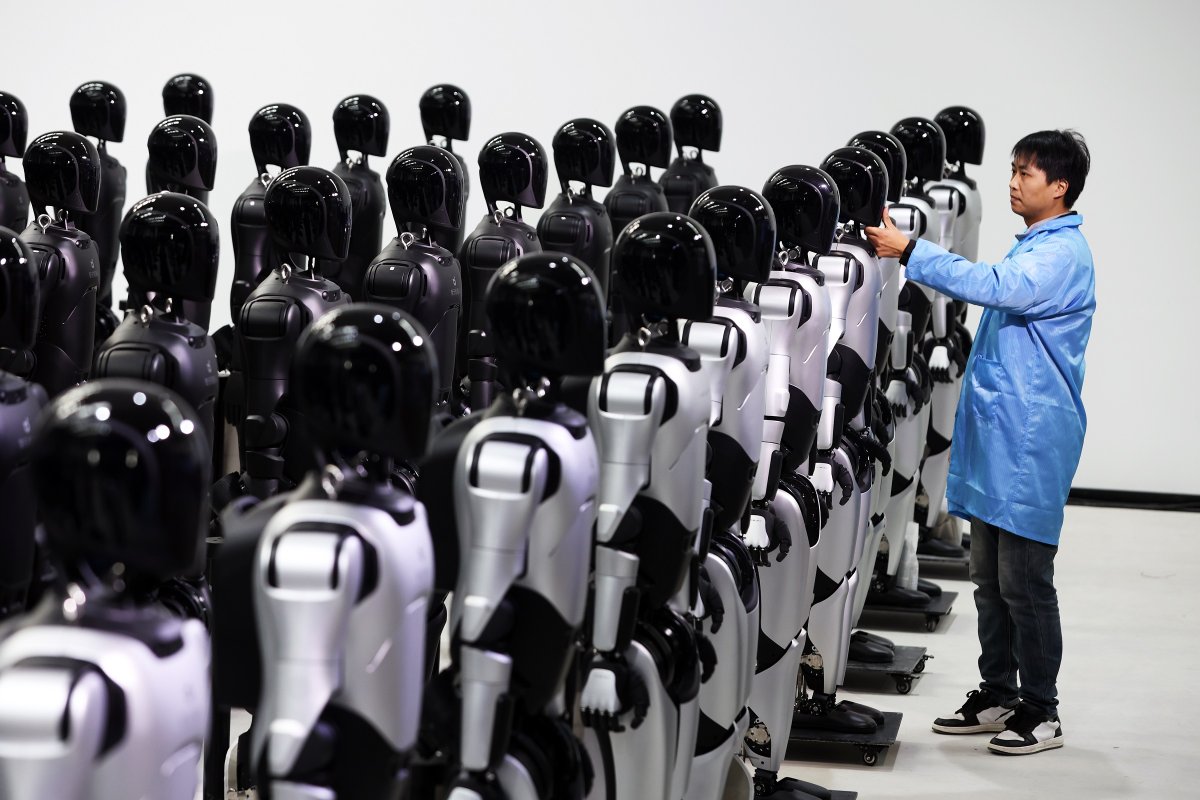
Technological progress that once promised shared leisure and abundance has become concentrated among the wealthy, producing stark disparities in access to autonomous vehicles, housing benefits, and elite education. Public transit and public services deteriorate for most while market incentives and algorithms prioritize profit extraction. Investment in AI and robotics is accelerating into physical automation, putting blue-collar trades at increasing risk of displacement. Rapid deployment and industry momentum make it difficult for labor organizations to distinguish genuine threats from hype and to plan effective protections for workers amid uncertain timelines.
Read at Futurism
Unable to calculate read time
Collection
[
|
...
]