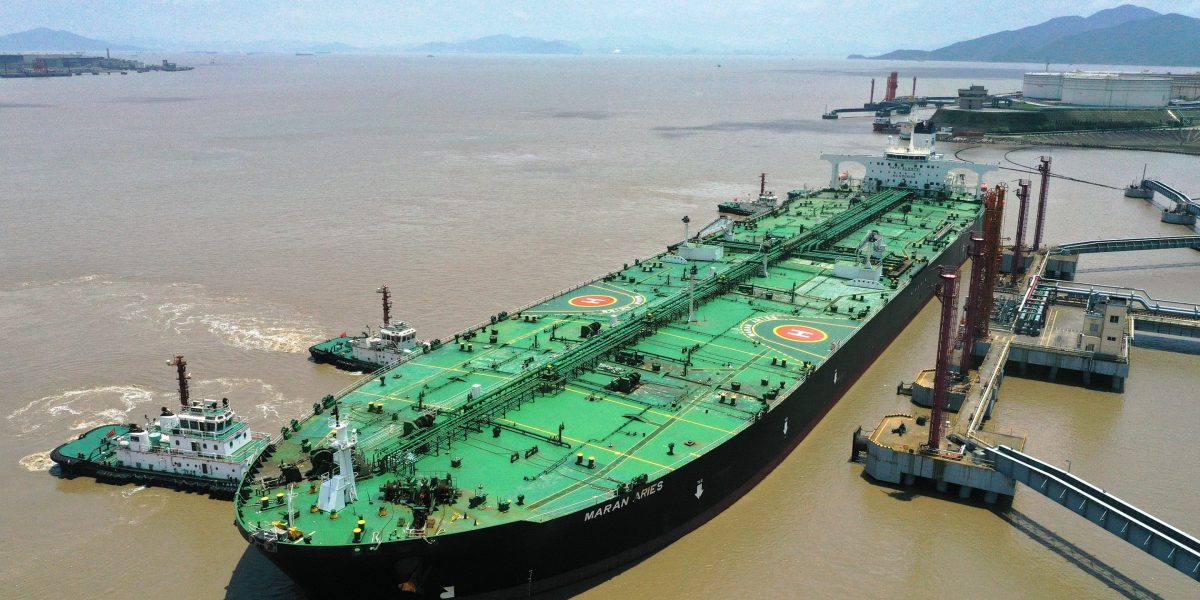
"But one key voice was missing from the celebration: Texas GulfLink's developer. Dallas-based Sentinel Midstream declined to comment on the administration's announcement, and didn't issue any press release for its politically ballyhooed project approval. Sentinel's silence was a symptom of a bigger disconnect in the gulf.What once was a race to build a series of deepwater terminals prior to the pandemic-including the involvement of household names such as Phillips 66 and Chevron-has now turned into silence over stalled projects that may never come to fruition."
"When Congress lifted the nation's 40-year ban on exporting oil-in place since the Arab oil embargo-at the end of 2015, U.S. oil production was booming. Companies were building up oil-export terminals to ship Permian Basin oil overseas from the Houston Ship Channel and the Port of Corpus Christi. The U.S. now routinely exports more than 4 million barrels of crude oil each day-about as much as Iraq pumps from the ground in total."
The Trump administration touted licensing of the Texas GulfLink deepwater crude-export terminal about 30 miles offshore, but developer Sentinel Midstream declined comment and issued no press release. Sentinel's silence reflected a wider Gulf disconnect: plans for multiple deepwater export terminals that predated the pandemic have stalled. Analysts cite insufficient crude demand and limited customer support despite near-record U.S. oil output. Projects could be reconsidered in 2027 if prices and demand recover. The 2015 lifting of the export ban spurred earlier terminal plans as U.S. exports now exceed 4 million barrels per day.
Read at Fortune
Unable to calculate read time
Collection
[
|
...
]