"As a two-time Peabody Award-winning broadcast journalist and the founding director of the University of Colorado Boulder's Visual Evidence Lab - and as fellows at Stanford University's Center for Advanced Study in the Behavioral Sciences - we understand how video can be easily manipulated. Even when genuine, it can distort reality by triggering our own biases. Video makes us believe we are witnessing events firsthand, but we are not."
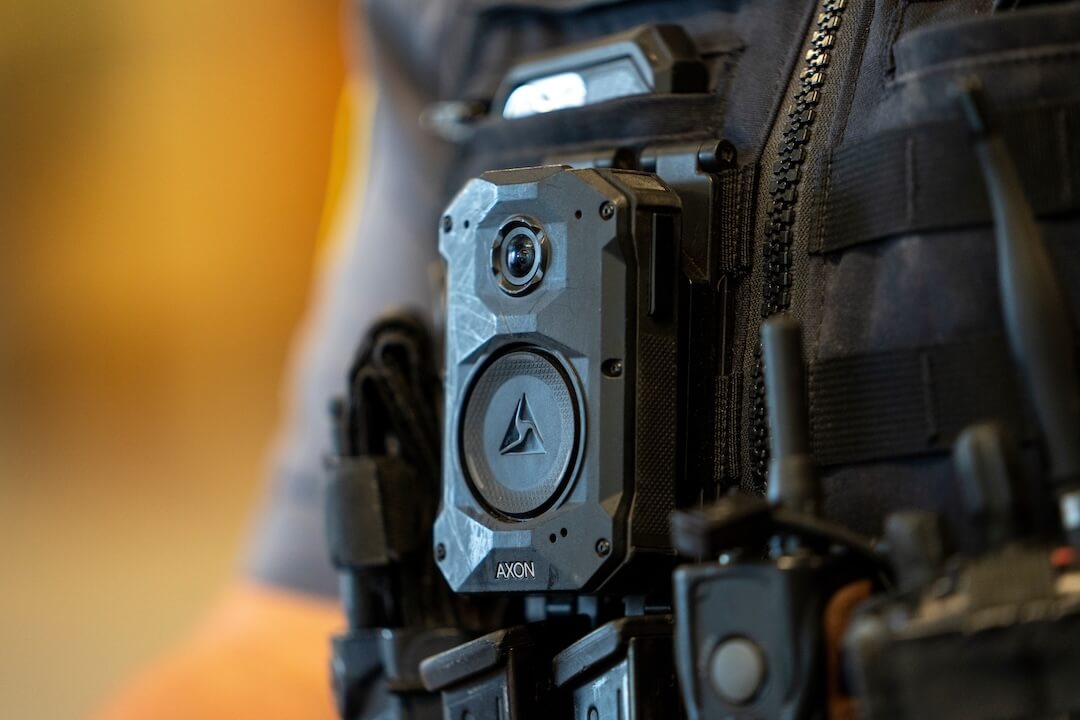
"Research has found that people who watch an incident recorded by a body camera are less likely to believe the officer acted intentionally than those who watch the same incident recorded by the officer's car dashboard camera. This is because it's harder for our minds to process who is at fault when we can't see the officer. Scholars have also discovered that when even a part of the officer - an arm for example - appears in the shot, it can make a difference."
Video footage of federal agents' killings of Renee Good and Alex Pretti has intensified public debate about immigration enforcement, rule of law and accountability. Calls for systemic adoption of body cameras for federal immigration agents are advancing, even as rapid proliferation of bystander and official footage raises challenges. Video can be manipulated and, even when authentic, can trigger viewer biases and distort reality. Body camera framing often omits officers' faces and bodies, affecting judgments of intent. Research shows camera angle and visible officer presence influence perceptions of fault, with wider frames producing fairer impressions.
Read at Poynter
Unable to calculate read time
Collection
[
|
...
]