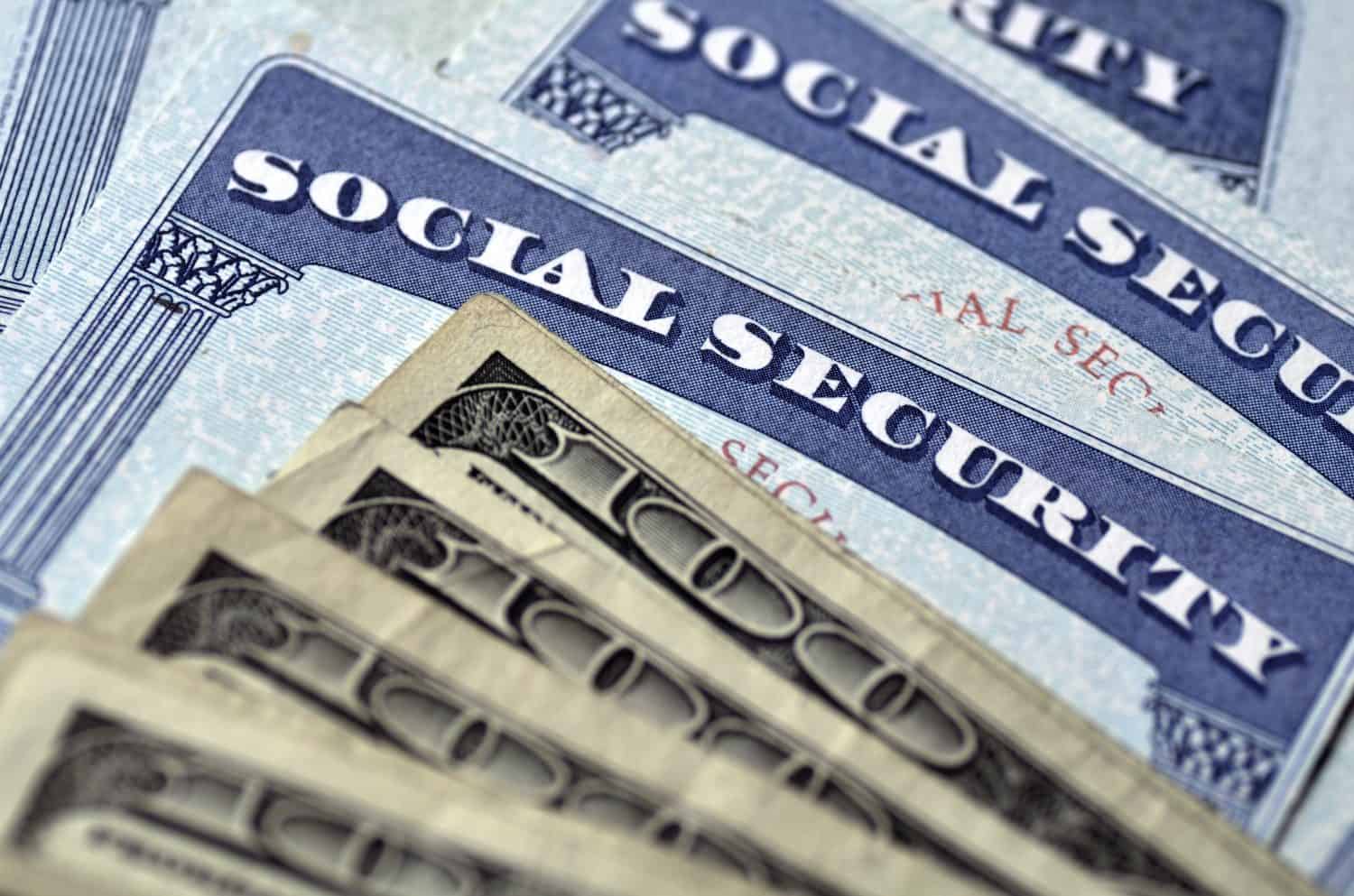
"It used to be that Social Security's FRA was 65, which is the same age when Medicare eligibility begins for most enrollees. To conserve funds for Social Security, lawmakers changed the program's FRA years ago to a range of 66 to 67. For people with a birth year of 1959 who turn 66 this year, FRA is 66 and 10 months."
"The Federal Reserve puts median retirement savings for seniors ages 65 to 74 at just $200,000 as of 2022. Chances are, that number has increased since then. But even so, this data tells us that many seniors do not have a lot of money socked away for retirement. People without much savings may not be able to afford a hit to their Social Security benefits."
"For now, if you were born in 1960 or later, age 67 is when you're entitled to your Social Security benefits without a reduction. But that doesn't mean FRA won't change again. Social Security is facing a major revenue shortfall that could result in broad benefit cuts if lawmakers don't intervene. One change that may help Social Security conserve funds is pushing FRA back"
Choosing when to claim Social Security affects monthly retirement income, with benefits available from age 62 but reduced if claimed early. Full Retirement Age (FRA) allows claiming without reduction; FRA has shifted from 65 to a range of 66–67. For people born in 1959 FRA is 66 and 10 months; for those born in 1960 or later FRA is 67 starting in 2026. Claiming benefits even a month early can permanently reduce payments. Median retirement savings for ages 65–74 was $200,000 in 2022, leaving many seniors vulnerable to reduced benefits. Ongoing Social Security revenue shortfalls could prompt lawmakers to consider raising FRA further.
Read at 24/7 Wall St.
Unable to calculate read time
Collection
[
|
...
]