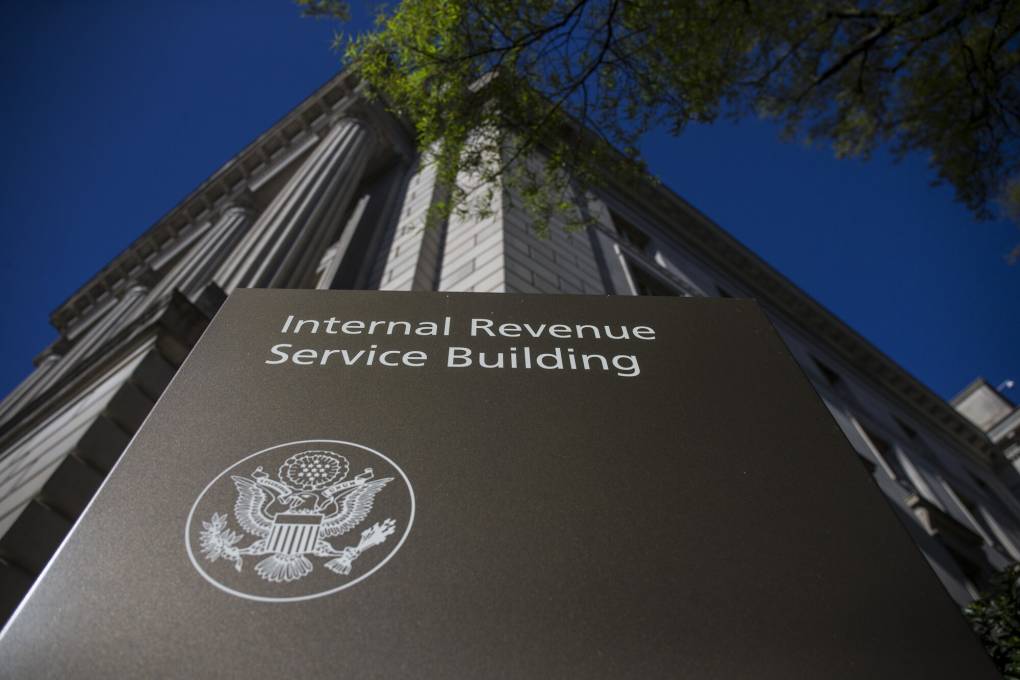
"Millions nationwide have begun the process of filing their yearly taxes - including many immigrants without a permanent immigration status. But since President Donald Trump's return to the White House, his administration has sought access to IRS data - including taxpayers' addresses - to further its immigration crackdown and locate undocumented immigrants. And last April, ICE and its parent agency, the Department of Homeland Security, secured a data-sharing agreement with the IRS, alarming many taxpayers who use ITINs to file."
"But earlier this month, U.S. District Judge Indira Talwani blocked this arrangement - and prohibited ICE agents from viewing any taxpayer data. Chang added that IRS employees have to follow very strict rules when handling taxpayer data - as established by the Internal Revenue Code, created by Congress in 1939. These rules only allow the IRS to share information in very limited circumstances, including an audit or certain criminal investigations - like those involving a terrorist threat."
"Even the president is blocked from directly accessing IRS data. In 1976, Congress strengthened the privacy rules in the Internal Revenue Code after White House employees admitted they had tried to obtain tax information about individuals who then-President Richard Nixon considered to be his enemies. Using the IRS as a political tool would later be one of the accusations Nixon faced from lawmakers who sought to impeach him."
A federal judge temporarily blocked an agreement that allowed the IRS to share personal information of noncitizen taxpayers with ICE, prohibiting ICE agents from viewing taxpayer data. The Trump administration had sought IRS data, including addresses, to locate undocumented immigrants and last April secured a data-sharing agreement between ICE, DHS, and the IRS, raising alarm among ITIN filers. IRS employees must follow strict privacy rules under the Internal Revenue Code, enacted in 1939 and strengthened in 1976 after attempts to obtain tax information for political purposes. IRS disclosure is limited to narrow circumstances such as audits or certain criminal investigations. The administration may appeal the court order.
Read at Kqed
Unable to calculate read time
Collection
[
|
...
]