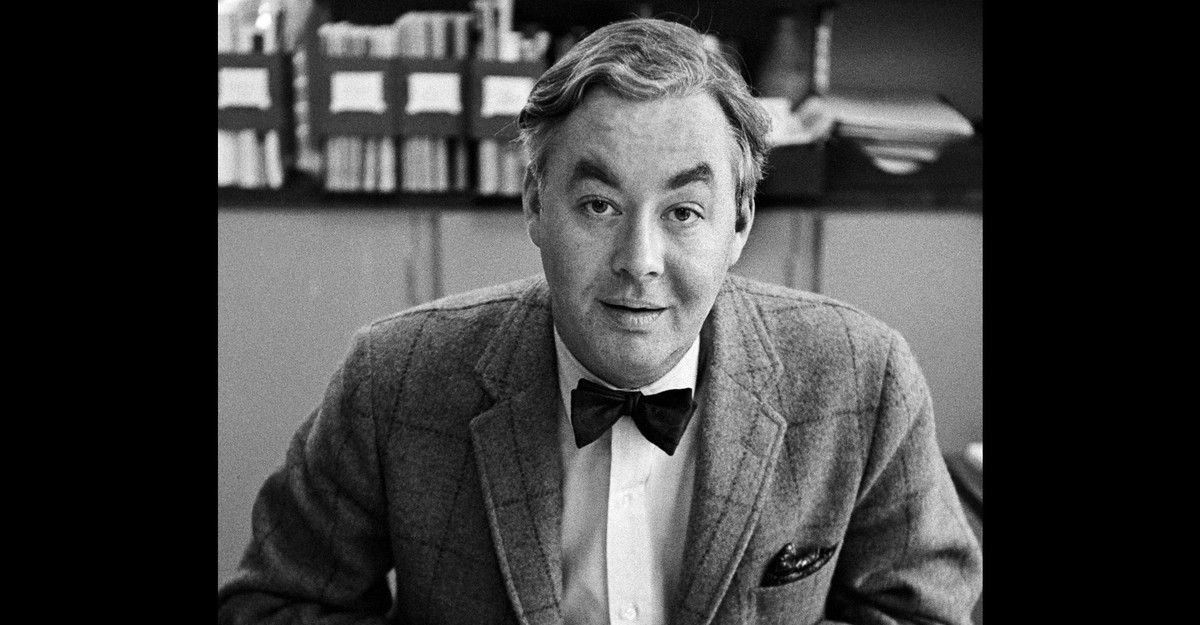
"During his 25 years in the Senate, Moynihan often turned the legislative chamber into a lecture hall. "That man just got up and spoke for 45 minutes with no notes and no reference materials, and proceeded to delineate the entire history of the Panama Canal," a fellow legislator once reported. The New York Democrat and Harvard professor wrote or edited 18 books-and many more articles-on topics including automobile safety, organized crime, federal architecture, international law, and government secrecy."
"Despite his quasi-British accent and bow ties, Moynihan always identified with the working class, and he came to resent the elites of his own party. This perspective, informed by his tumultuous youth, fueled his political success far more than his intellect. It allowed him to understand the anger of working-class voters, many of whom were alienated by the left's endorsement of affirmative action in the 1960s and its rejection of national pride after Vietnam."
"Moynihan's bitter criticisms of the party don't provide a model for Democrats today; he was too often blinded by personal grievance. But his critiques prefigured, and help explain, some of the greatest challenges his party now faces. Moynihan chronicled the exodus of working-class voters from the left as it began. Today, as Democrats debate how to win them back, they would do well to remember what he saw and, no less important, what he didn't."
Daniel Patrick Moynihan combined prodigious erudition with a pronounced identification with the working class. He served 25 years in the Senate, wrote or edited numerous books on diverse topics, and often lectured at length on policy and history. His tumultuous youth and volatile early life shaped a perspective that prioritized working-class concerns and bred resentment toward the party's elites. That identification helped him win elections by tapping working-class anger over issues like affirmative action and diminished national pride after Vietnam. His bitter critiques anticipated the Democratic Party's later struggles to retain working-class voters, though personal grievance sometimes distorted his judgments.
Read at The Atlantic
Unable to calculate read time
Collection
[
|
...
]