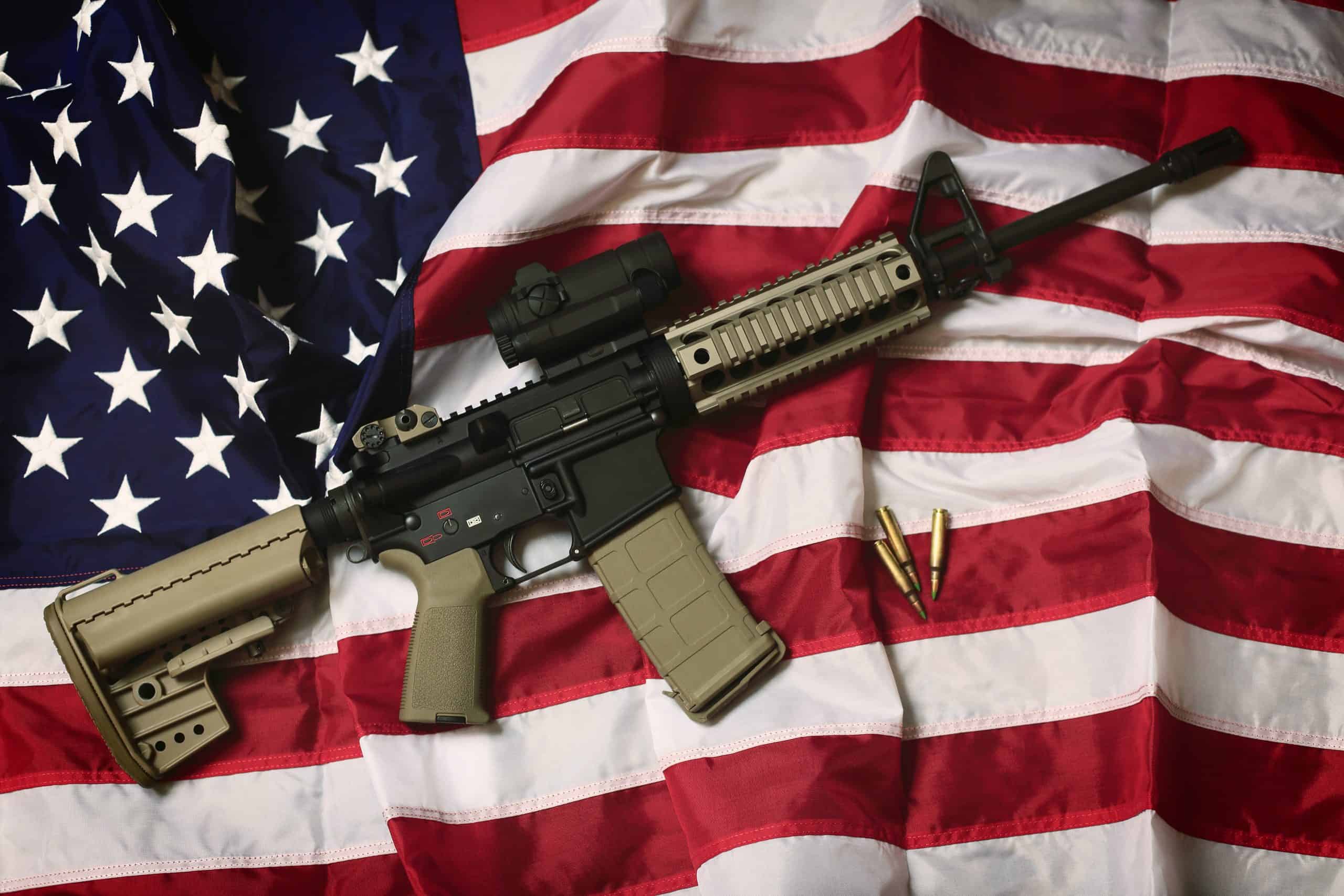
"Two decades of post-9/11 conflict reshaped the U.S. military from the squad level up. As the wars in Afghanistan and Iraq unfolded, firearms were refined, replaced, or retained based on battlefield performance rather than doctrine alone. Certain weapons proved adaptable enough to endure repeated deployments and shifting mission sets, becoming fixtures of the Global War on Terror (GWOT). Here, 24/7 Wall St. is taking a closer look at these weapons and how they defined modern combat."
"The firearms carried by U.S. forces after September 11 were shaped by two decades of continuous combat rather than peacetime theory. These weapons weren't selected in isolation; they evolved through repeated deployments, harsh environments, and constant contact with the enemy. By examining the firearms that defined America's post-9/11 wars, this article captures how real battlefield experience influenced loadouts, doctrine, and small-unit tactics."
Two decades of continuous post-9/11 combat reshaped U.S. military tactics and equipment from the squad level upward. Battlefield performance, harsh environments, and repeated deployments dictated which firearms were adopted, modified, or retained. Counterinsurgency campaigns, urban fighting, raids, convoy security, and long patrols increased demand for adaptable weapons that could serve multiple roles. Certain firearms proved capable of enduring repeated deployments and shifting mission sets, becoming enduring fixtures of the Global War on Terror. Evaluations considered weapon type, service entry year, primary role, and operational effectiveness to show how specific firearms influenced loadouts, doctrine, and small-unit tactics.
Read at 24/7 Wall St.
Unable to calculate read time
Collection
[
|
...
]