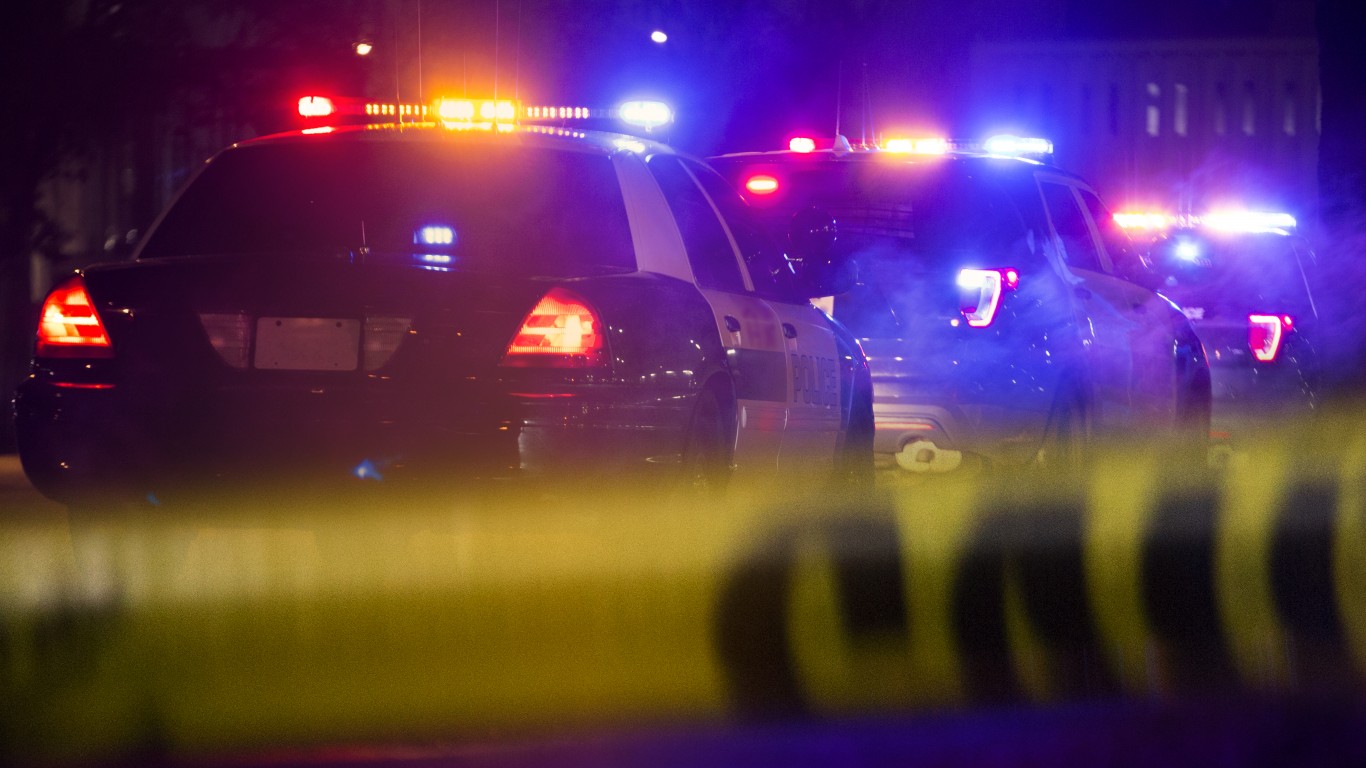
"These incidents are often based on several factors, like patterns tied to population density, crime rates, local policies, training standards, and historical tensions between police and residents. These tragic events are highly localized. Some counties see only rare police-caused deaths, while others experience them far more often (sometimes at rates that far exceed state or national averages). Looking at these numbers county by county reveals stark differences that can't be seen from statewide summaries alone."
"Identifying the county in each state where the most people are killed by police helps illustrate where these traumatic incidents cluster and provides a better look at the social, economic, and institutional factors that may contribute to them. These patterns don't just tell us where the numbers are highest; they also uncover communities struggling with systemic challenges or major gaps in accountability. By examining these counties, we can better understand the complexities behind police use of force and why reforms are likely necessary."
Fatal encounters with law enforcement are not evenly distributed across the United States; they differ sharply between communities and counties. Several factors influence these differences, including population density, crime rates, local policies, training standards, and historical tensions between police and residents. Some counties report only rare police-caused deaths, while others experience them at rates far exceeding state or national averages. Identifying the county in each state with the most police killings highlights where such incidents cluster and points to social, economic, and institutional contributors. Using detailed, county-level data enables more precise assessment of accountability gaps and reform needs.
Read at 24/7 Wall St.
Unable to calculate read time
Collection
[
|
...
]