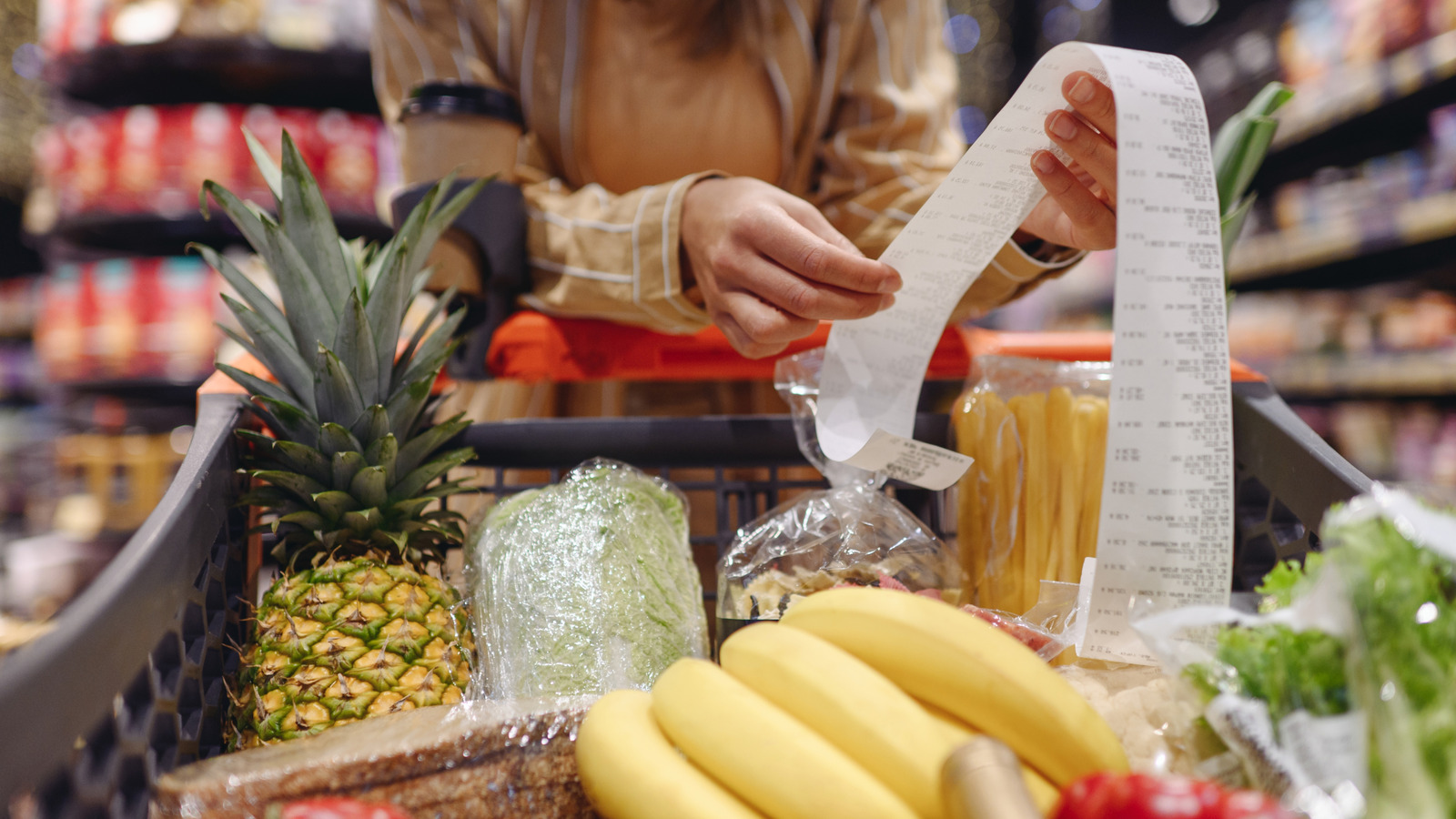
"Many households across America have been struggling with their grocery bills due to inflation that hit the global markets after the COVID-19 pandemic, but for families in Alaska, especially in rural communities, the prices of basic goods have reached alarming heights. Alongside inflation, the main issue for the climbing prices is Alaska's distance from the rest of the U.S., which influences the cost of transport that's required to deliver the supplies."
"Given that Alaska is a non-contiguous state, any trucks delivering grocery stock have to first cross Canada before reaching Alaska, which requires a very valuable resource: time. According to Alaska Beacon, "It takes around 40 hours of nonstop driving to cover the more than 2,200 highway miles from Seattle to Fairbanks" on the Alaska Highway. That's why a fairly small percentage of the state's food comes in on the road. For the most part, groceries are shipped in on barges and are then flown to more remote areas, since "82% of the state's communities are not reachable by road," per Alaska Beacon. As such, even takeout in Alaska is sometimes delivered by plane."
Inflation combined with Alaska's geographic isolation drives grocery prices well above the U.S. average. Long transit routes and the need to cross international borders increase transportation time and costs; driving from Seattle to Fairbanks takes around 40 hours nonstop along the Alaska Highway. Most food shipments arrive by barge and are flown to remote communities because 82% of communities lack road access. Extreme weather regularly disrupts planes, barges, and trucks, producing multiweek restock delays for staples like bread and milk. Prices vary by remoteness, with some villages paying double or triple, and certain communities facing up to 80% higher costs than Anchorage.
Read at Tasting Table
Unable to calculate read time
Collection
[
|
...
]