"The Labor Department's consumer price index rose 3.8% from April 2025, according to data released Tuesday. On a month-to-month basis, April prices rose 0.6% from March as gasoline prices rose 5.4% during the month; the month-over-month gain was down from 0.9% increase from February to March."
"Excluding volatile food and energy costs, so-called consumer core prices rose 0.4% last month from March and 2.8% from April 2025, relatively modest readings that suggest the energy price burst isn't spilling over much yet into other prices. Grocery prices rose 0.7% from March to April, as meat prices rose, after falling slightly the month before."
"Then, the United States and Israel attacked Iran on Feb. 28, and Tehran responded by shutting off access to the Gulf of Hormuz, through which a fifth of the world's oil and liquefied natural gas passes. Energy prices rocketed in response. The Fed, which had been expected to cut its benchmark interest rates in 2026, has turned cautious as it waits to see how long conflict lasts and whether higher energy prices spill over into other products and cause a broader inflationary outbreak."
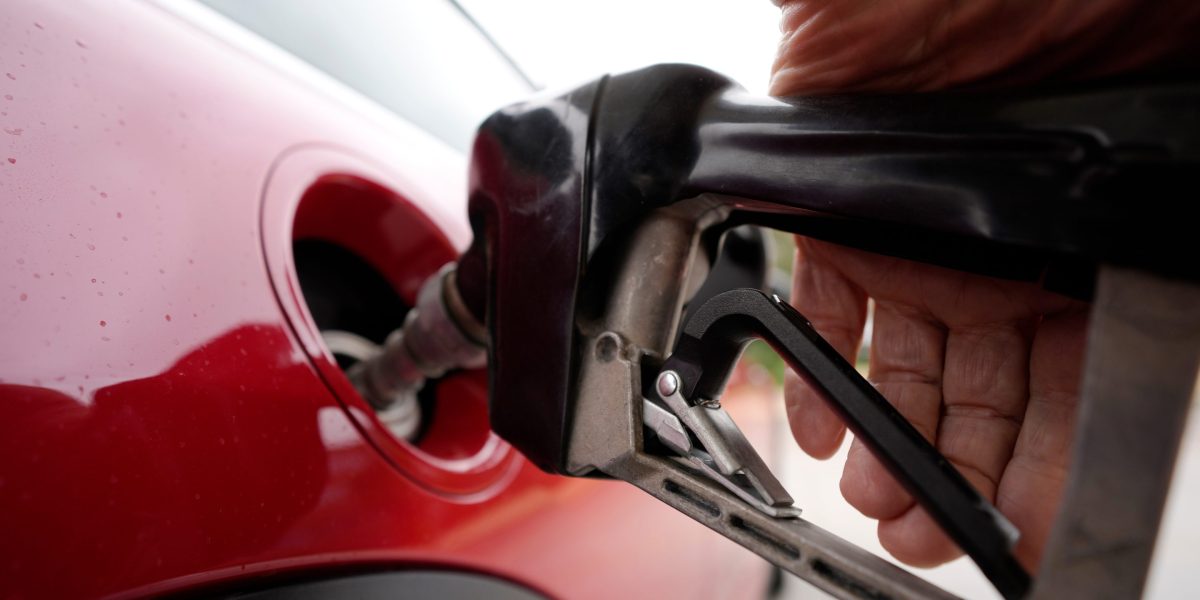
"Labor Department figures showed that gasoline prices are up more than 28% compared to a year ago. AAA says the average gallon of gasoline costs motorists more than $4.50 a gallon, about 44% more than it cost last year at this time."
The consumer price index increased 3.8% from April 2025, with a 0.6% rise from March. Gasoline prices rose 5.4% during the month and were up more than 28% versus a year earlier, with AAA reporting average prices above $4.50 per gallon. Core prices excluding food and energy increased 0.4% month to month and 2.8% year over year, indicating limited spillover from energy into other categories. Grocery prices rose 0.7% from March to April, after a slight decline the prior month. Inflation had been easing since a 2022 peak but remained above the Federal Reserve’s 2% target. Conflict involving Iran disrupted access to the Gulf of Hormuz, pushing energy prices higher and making the Fed more cautious about rate cuts.
Read at Fortune
Unable to calculate read time
Collection
[
|
...
]