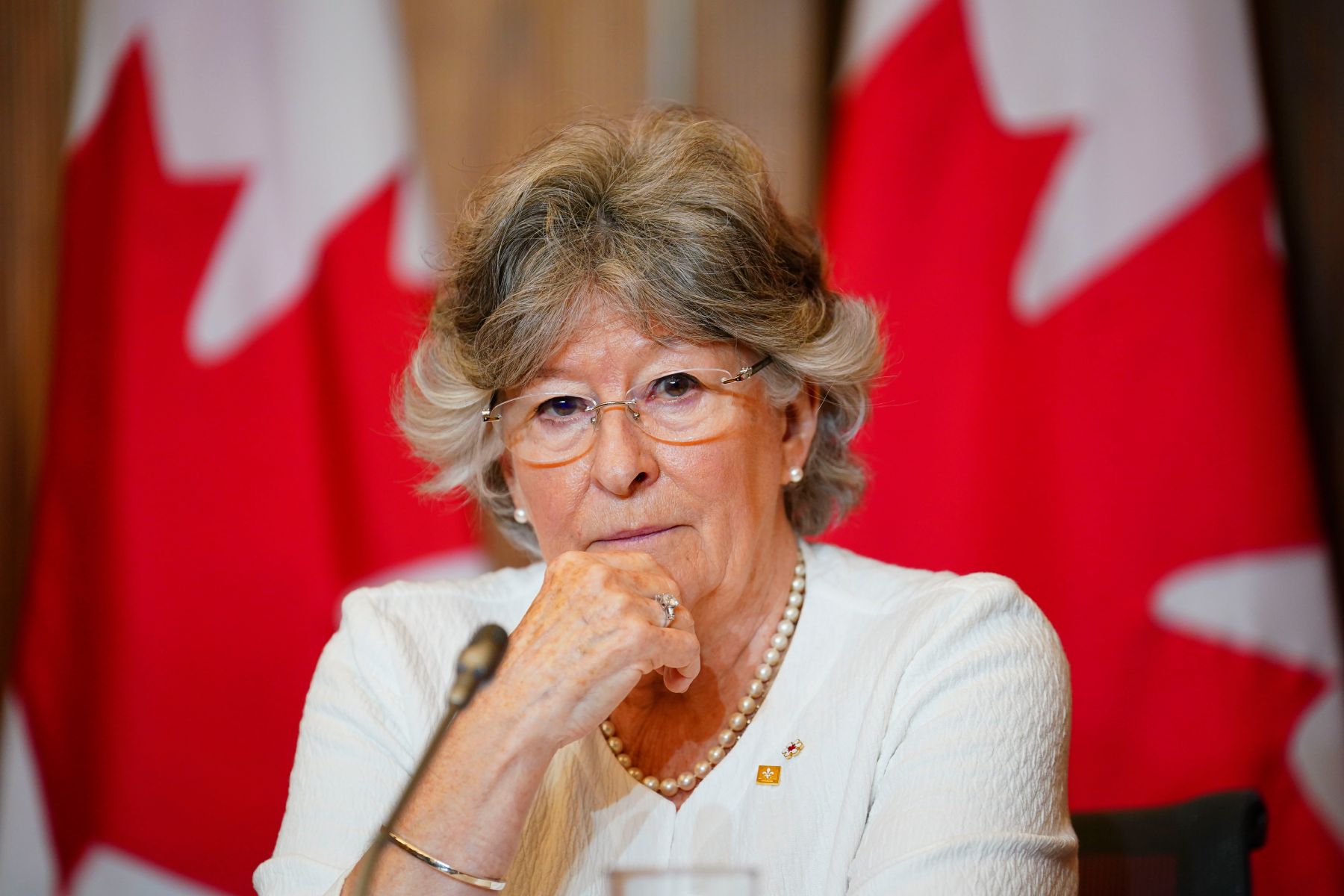
"Arbour is one of the country's most famous legal minds. A former justice of the Supreme Court of Canada, she served as chief prosecutor for the international criminal tribunals for Rwanda and the former Yugoslavia, where she pursued cases against political and military leaders accused of atrocities. She was later appointed the United Nations' high commissioner for human rights. In Canada, she led major public inquiries, including a landmark review into sexual violence within the Canadian Armed Forces."
"Fraser appreciates the way the office exists above parties, elections, and ideological churn. For him, the value of the "viceregal mantle" stems from its role as constitutional backstop: a nonpartisan authority capable of checking abuses of power. "Canadians should be down on their knees thanking Almighty God," he writes, "for the luck of having a system that protects them from dysfunction or malfeasance.""
"But what Fraser eventually turned in-twelve "personal and undoubtedly arbitrary" portraits of the various crackpots and savants who have held the post since 1952-is a delight and, with Louise Arbour's appointment last week, timely to boot. Arbour doesn't appear in Fraser's book; she hadn't yet been tapped when he wrote it. But his spirited defence of Canada's "ludicrous, weird, and utterly antediluvian" custom of letting the Crown choose its representative head of state extends to her."
The book presents twelve personal portraits of Canada’s governors general since 1952, portraying them as unusual figures. Louise Arbour’s appointment is framed as timely because she is a prominent legal mind with experience in international criminal prosecution and human rights leadership. Her background includes serving as a Supreme Court justice, leading prosecutions at tribunals for Rwanda and the former Yugoslavia, and heading major Canadian public inquiries, including a landmark review into sexual violence in the Canadian Armed Forces. Although she is not included in the earlier portraits, the book’s defense of the Crown’s selection of the representative head of state aligns with her appointment. The office is valued for existing above party politics and for acting as a constitutional backstop against dysfunction and malfeasance.
Read at The Walrus
Unable to calculate read time
Collection
[
|
...
]