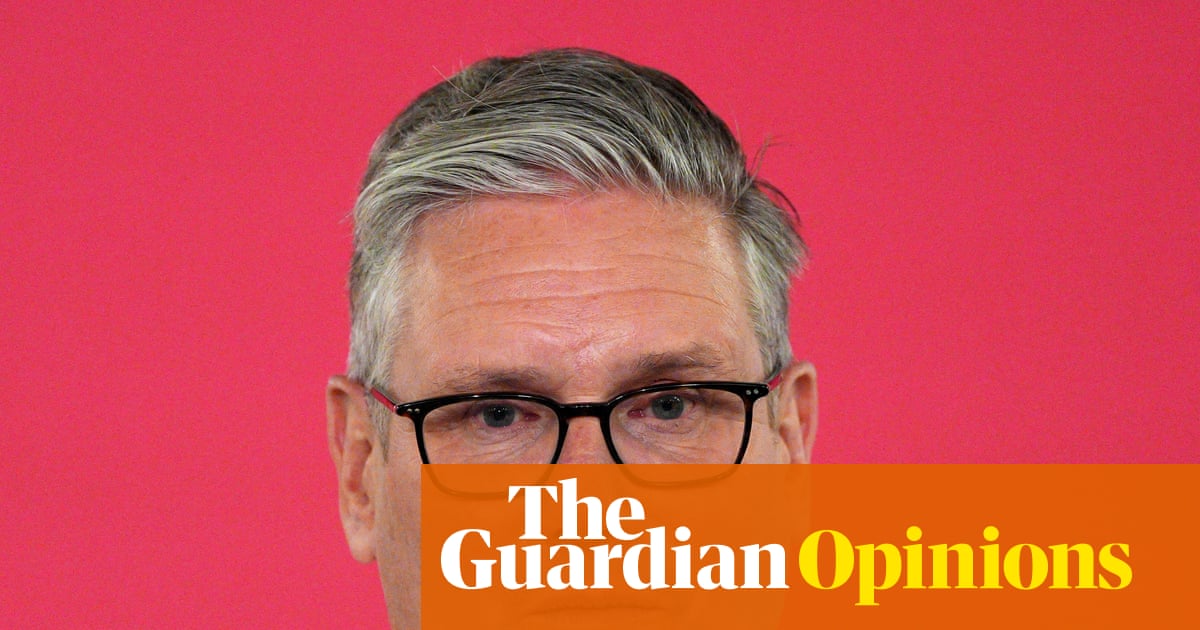
"He had begun Monday morning with a speech designed to save his premiership after it was routed in local and devolved elections last week. In it he attempted a political synthesis by occupying Reform's terrain of national pride without the xenophobia, adopting the left's language of industrial revival without class antagonism and repositioning Labour as culturally pro-European without reopening the Brexit settlement. It did not succeed."
"By the afternoon, scores of MPs from across the party had publicly demanded that the prime minister leave office in an orderly transition. As the hours passed, the rhetoric crossed an important threshold: from criticism of strategy to questioning Sir Keir's legitimacy as leader. Labour MPs increasingly say that voters do not trust, or believe, Sir Keir. Nor do they see the change the Labour government promised to deliver."
"The instinctively loyal MP Catherine McKinnell put it in stark terms. The message from voters, she said, was clear: The Labour government has to change, or we will change the Labour government. Historically, Labour is not a regicidal party though Jeremy Corbyn faced multiple attempts by Labour MPs to remove him as leader. Perhaps that is why many want to avoid a return to a civil war, or appearing like the Conservatives, who, in the past decade, indulged in bouts of panic, instability and public bloodletting."
"But Sir Keir is in no mood to go quietly and has vowed to fight on. His insistence that the 2024 election gave him a mandate to lead Labour into the next election and perhaps govern for a decade reveals a profound misreading of the electorate that brought him to power. It is true that Labour won a landslide."
Keir Starmer began a Monday speech aimed at preserving his premiership after losses in local and devolved elections. The speech tried to blend national pride with industrial revival language while remaining culturally pro-European and avoiding reopening the Brexit settlement. The effort failed to change perceptions within the party. By afternoon, many MPs publicly called for Starmer to leave office in an orderly transition. As criticism grew, some MPs questioned his legitimacy as leader, saying voters do not trust him and do not see promised change. Backbenchers increasingly frame leadership itself as the problem, with calls to lower tensions and make removal appear responsible. Starmer refuses to step down and claims the 2024 election provides a mandate to lead into the next election and beyond.
Read at www.theguardian.com
Unable to calculate read time
Collection
[
|
...
]