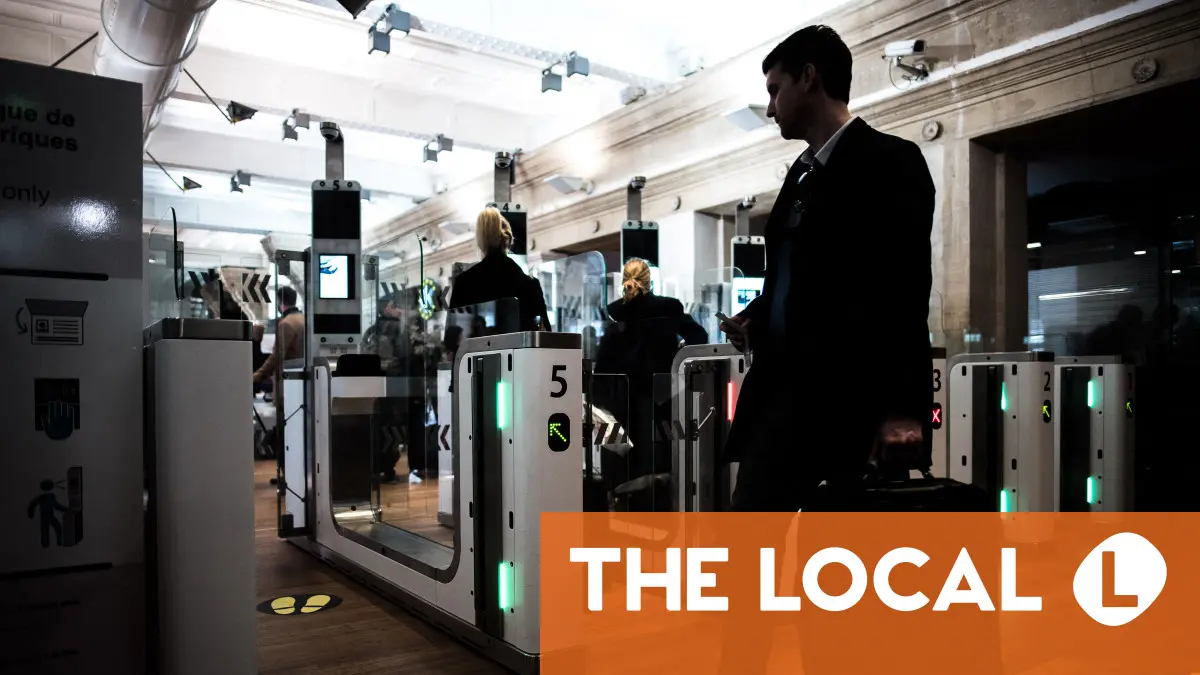
"From February 2026, most dual British citizens will need to use a British passport to travel to the UK. Presenting only a non-British passport will no longer be sufficient for boarding flights or ferries, unless it carries a certificate (costing £589) that confirms right of abode. The rule was introduced to align dual nationals with the UK's new electronic travel authorisation (ETA) system and to prevent confusion in border checks."
"Over the past three decades, dual citizenship has become widely accepted internationally. In 1990, fewer than a third of countries allowed dual nationality in cases of naturalisation. By 2016, roughly three-quarters did. This change reflected globalisation. As populations became more mobile, states adapted. Migrants often maintain attachments to more than one country. Dual citizenship is a pragmatic recognition of that reality, allowing people to belong in more than one place without forcing an exclusive choice."
From February 2026 most British dual citizens must use a British passport to travel to the UK; non-British passports alone will not permit boarding unless accompanied by a certificate costing £589 confirming right of abode. The rule aligns dual nationals with the UK's electronic travel authorisation (ETA) system and aims to prevent confusion at border checks. Legally, citizenship and right of entry remain unchanged, but the required proof has shifted toward digital documentation. Dual citizenship has increased globally and in the UK, a trend reinforced by Brexit as many sought to retain EU or British nationality protections.
Read at The Local Germany
Unable to calculate read time
Collection
[
|
...
]