"A few months ago, I was scrolling through TikTok when I came across a video that stopped me in my tracks. It starred an animated frog, dressed in a wizard hat, robe, and pink nail polish, superimposed over a psychedelic background and speaking in a hypnotizing, ethereal voice. "It's time to stop doing nothing, and start doing something," he crooned. "I cast . . . motivation!""
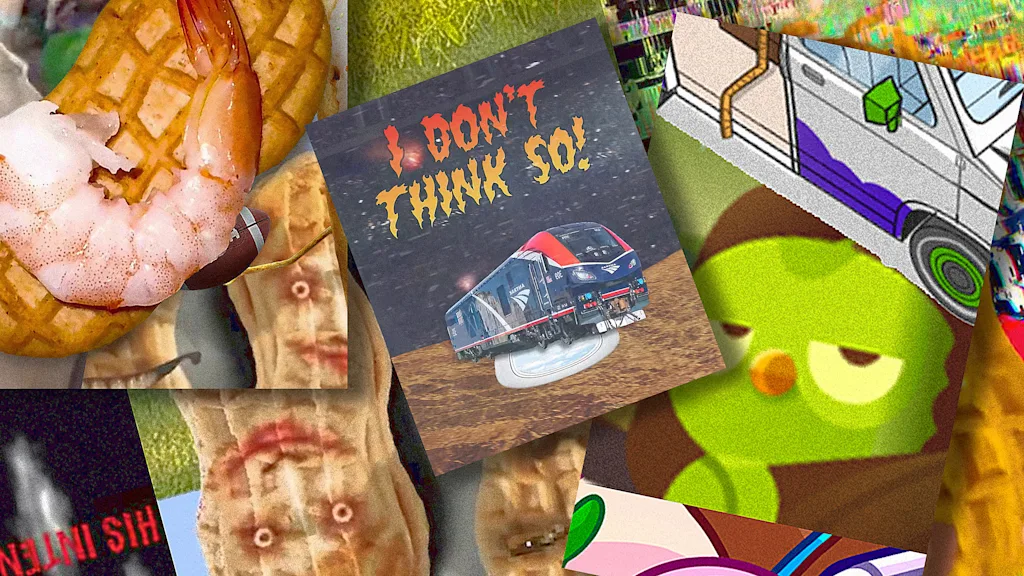
"Pine-Sol's page, with its surrealist visuals and hypnotizing songs, is an example of what I call " brain-rot-brand TikTok": It's a subgenre of digital marketing that rejects traditional advertising in favor of the kind of content that actually performs well on TikTok and Instagram Reels. Rather than selling products directly, brain-rot-brand TikTok embraces head-turning, often nonsensical choices, like fried visuals, abrasive design, and unsettling storylines, to spread brand awareness and-presumably-boost sales."
"But as brands like Duolingo have built entire communities around bucking digital brand norms, others have gradually jumped on the bandwagon. Nutter Butter might be the first brand that went full brain rot, with hits like a Nutter Butter taking a trip to the playground on what appeared to be way too much acid."
An animated Pine Wizard Frog video on Pine-Sol's TikTok exemplifies a “brain-rot-brand TikTok” approach that prizes surrealist visuals and hypnotic audio. Brain-rot-brand TikTok rejects direct product pitches and traditional advertising in favor of head-turning, often nonsensical content that performs well on TikTok and Instagram Reels. Brands including Duolingo, Nutter Butter, Brita, Amtrak, Sour Patch Kids, Brisk Canada, Mug Root Beer, and Dr Pepper have adopted variants of the tactic. The format emphasizes fried visuals, abrasive design, and unsettling storylines to spread brand awareness and has produced measurable high-reach results for some brands.
Read at Fast Company
Unable to calculate read time
Collection
[
|
...
]