Indonesia’s parliament passed legislation recognizing domestic workers as workers, providing health insurance, days off, and pensions, and prohibiting employment of under-18s. Over four million people benefit, while domestic work worldwide involves about 75 million workers with lower wages, fewer benefits, and weaker legal and social protections than other jobs. Many workers are women and experience isolation, limited time off, and difficult conditions such as inadequate food and poor accommodation. Abuse risk is heightened by isolation and barriers to organizing. Increasing care needs drive migration, including millions from Indonesia, where recruitment fees can create debt bondage, employers may retain identity documents, visas may be tied to households, and language barriers hinder help-seeking. International standards and social media support awareness and organizing.
"Last month, the country's parliament passed legislation classifying them as workers, ensuring that they are entitled to health insurance, days off and pensions. It also outlaws hiring under-18s for such jobs. For more than four million people, this is a significant step forward. The challenges go far beyond Indonesia. There are around 75 million people in the sector worldwide, experiencing lower wages, fewer benefits and fewer legal or social protections than other workers, says the International Domestic Workers Federation."
"Because they work in people's homes they are isolated, and many get little or no time off. That makes them particularly vulnerable to abuse by employers and particularly hard to organise. Accommodation is often grim and food inadequate. As many countries face increasing care needs due to ageing populations, a growing number of these workers are migrants, including around 3 million Indonesians, mostly in Asia or the Gulf. Those working abroad are especially vulnerable."
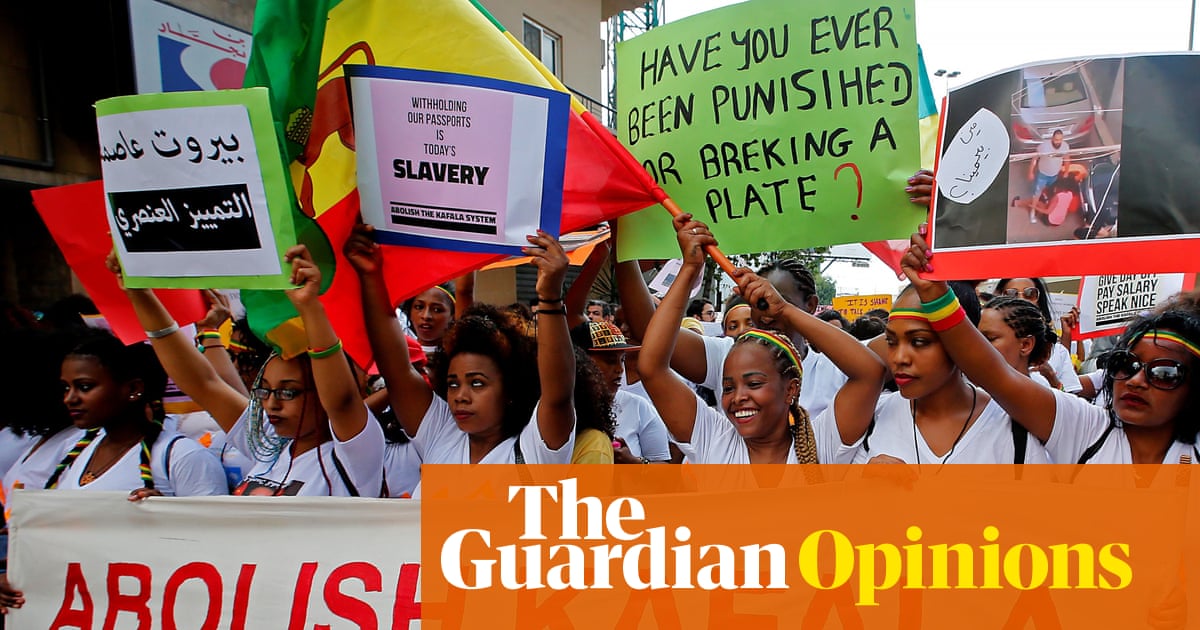
"Exorbitant fees from job agencies put them in debt bondage, they are far from friends and family, and language barriers make it harder to seek help. Employers often hold their identity documents, and their visas may be tied to a particular household. One expert described the kafala sponsorship system in many Gulf states as giving a veneer of legality to slaveholding. While only a few dozen countries have ratified the 15-year-old International Labour Organization convention setting out minimum standards for domestic workers, it catalysed organising, and has helped to ensure more people are covered by legislation, however imperfect."
"Social media is also helping to raise awareness and coordinate action among physically isolated workers. Campaigners have one advantage: they are not challenging big corporates in the same"
Read at www.theguardian.com
Unable to calculate read time
Collection
[
|
...
]