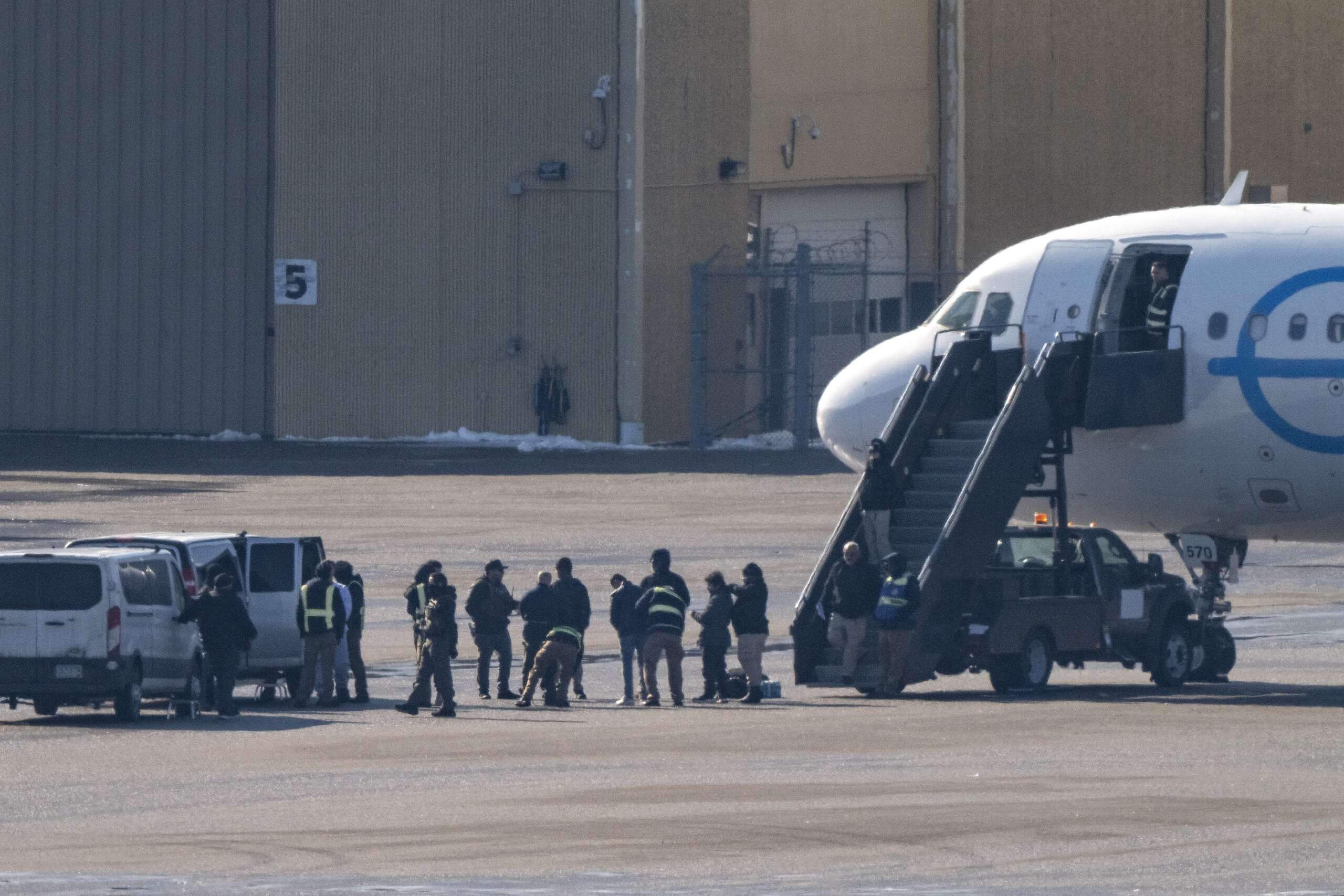
"The absence of a loved one creates an unwanted space, specifically a void. This emptiness, though, is as temporal as it is spatial. The span of three decades may seem like a decent amount of time to process the violence of deportation. The inordinate seconds, minutes, and hours spent reckoning with the voids associated with removal reveal the callousness of time."
"Can time heal the same wounds it inflicts by placing "SSSS" (Secondary Security Screening Selection) on the boarding passes of the child and an 18-month-old grandchild of a deportee to make the grandchild's first visit to meet their grandparent the most harrowing experience of their young life? Can time heal the same wounds it inflicts when depriving a parent or loved one of three decades of milestones and integral moments in their child's life?"
"The truth is that deportation is not a moment or a hardship that shall pass. It is an interminable agony. There is no such thing as post-deportation. Time does not heal all wounds after removal - it only protracts pain."
Deportation represents an enduring form of violence that extends across generations and decades. The author's personal experience with the deportation of his father and uncles thirty years ago illustrates how removal creates lasting voids in families. Beyond the initial separation, deportation inflicts continuous harm through mechanisms like flight restrictions and security screening designations that prevent family reunification and create traumatic experiences for subsequent generations. The passage challenges the notion that time heals deportation's wounds, arguing instead that time merely prolongs the pain. Deportation is not a temporary hardship but an interminable agony with no true resolution or post-deportation recovery.
Read at Truthout
Unable to calculate read time
Collection
[
|
...
]