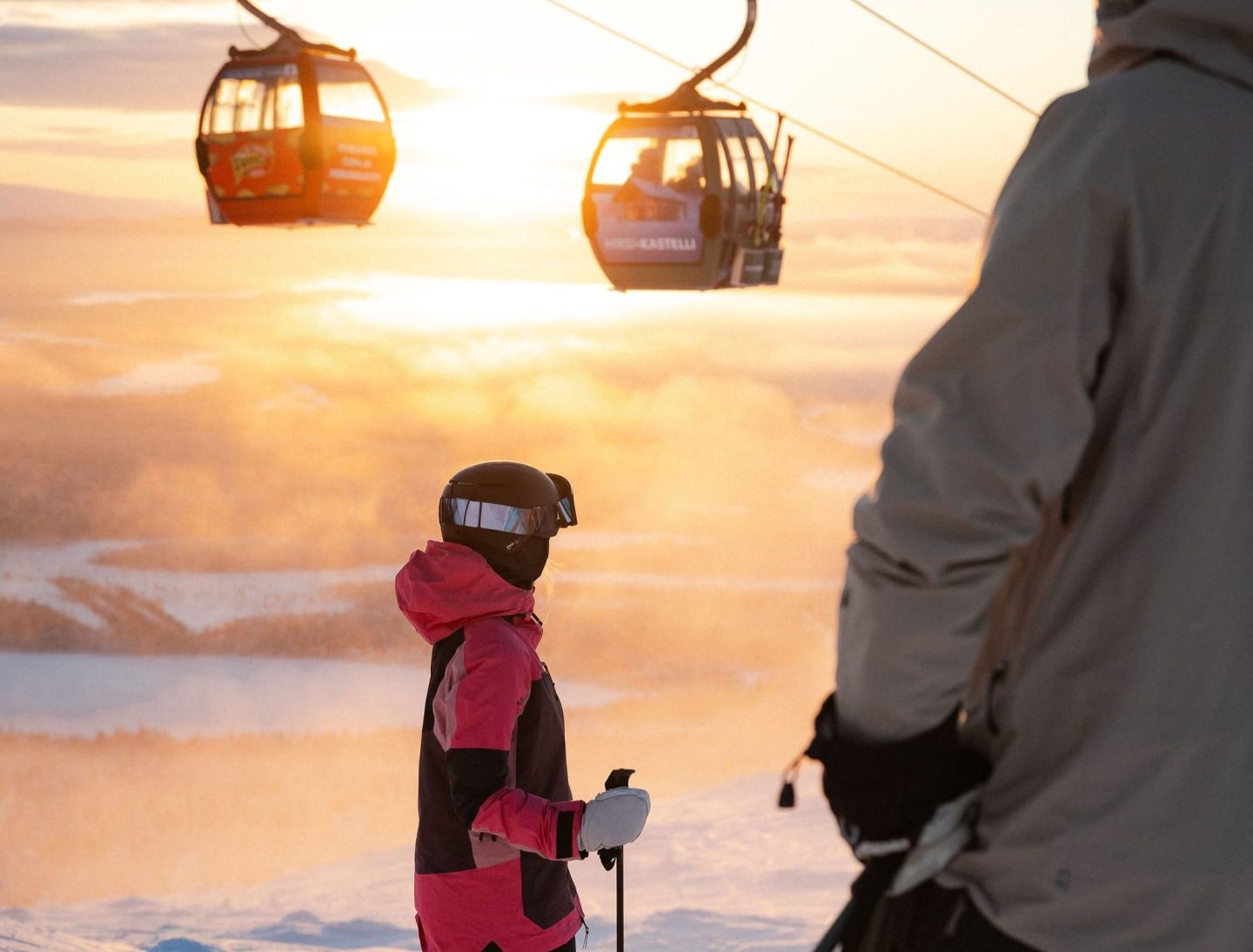
"The final lifts stopped spinning at Levi Ski Resort, Finland, on May 10, bringing an end to one of the longest ski seasons in Europe - and another remarkable winter built on the resort's now world-famous snow farming operation. The Finnish resort announced this week that it completed 220 ski days during the 2025-26 season, which began on October 3 and stretched well into the Arctic spring."
"Levi has become synonymous with ultra-long ski seasons in the Northern Hemisphere thanks to its aggressive snow storage program, which allows the resort to open weeks - sometimes months - before many European competitors. The Lapland resort stores huge quantities of snow from the previous winter beneath insulating covers through the summer, then spreads it back onto slopes in early autumn."
"The resort started closing slopes and preserving the snow for next season at the end of last month. In 2025, Levi stored nearly 300,000 cubic meters (10.6 million cubic feet) of snow - 60,000 cubic meters (2 million cubic feet) alone on the Levi Black World Cup slope. The resort has been snowfarming since 2016 and has expanded it continuously."
"The practice was initially developed to secure reliable conditions for the annual Alpine Ski World Cup slalom races after several warm-weather cancellations earlier last decade. These days, the resort uses the stored snow to reliably open in early October each year. Not only does it guarantee skiing from October into May but also reduces water and energy consumption compared to relying exclusively on artificial snowmaking every autumn."
Levi Ski Resort in Finland stopped operating its final lifts on May 10, ending one of Europe’s longest ski seasons. The resort completed 220 ski days during the 2025-26 season, which ran from October 3 into Arctic spring. Levi’s snow farming stores large volumes of snow from the previous winter under insulating covers through summer, then spreads it onto slopes in early autumn. The resort began preserving snow at the end of the prior month. Snowfarming has been used since 2016 and expanded over time, originally to protect reliable conditions for World Cup slalom races after warm-weather cancellations. Stored snow enables early openings, reduces reliance on artificial snowmaking, and lowers water and energy use.
Read at SnowBrains
Unable to calculate read time
Collection
[
|
...
]