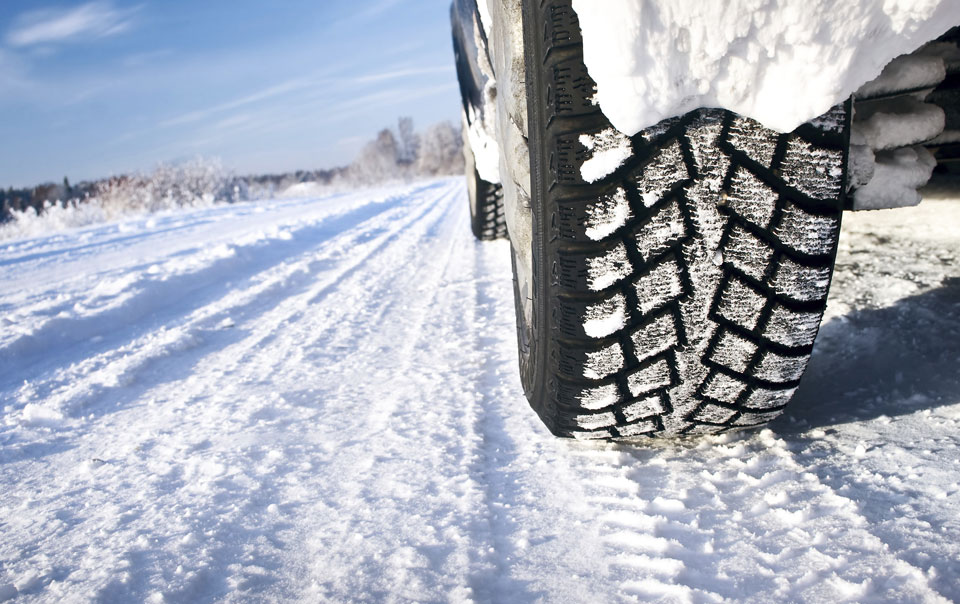
"especially as more and more of them are now included on the Epic and Ikon passes. But navigating Europe's roadways during the snowy season comes with unique laws, especially when it comes to winter tires. From strict regulations in Austria and Norway to more lenient guidelines in other countries, knowing these requirements can make all the difference between a smooth journey to the slopes or a hefty fine."
"Austria enforces one of the strictest winter tire policies in Europe. Between November 1 and April 15, vehicles must have winter tires when driving in snowy, icy, or slushy conditions. This rule isn't limited to alpine roads; it's enforced nationwide during winter weather. Failing to comply can lead to hefty fines, reaching up to €5,000 ($5,500) if you're involved in an accident without proper tires. For the safest journey to ski areas like St. Anton, Sölden, or Ischgl, winter tires are a must."
"In Germany, winter tires are also mandatory in specific weather conditions. Although there's no fixed season like Austria, they're required when snow, ice, or frost is on the roads. Fines can reach up to €120 ($130) for driving in snowy or icy conditions without winter tires, and your insurance might not cover accidents if you're found without them. A minimum tire profile of 1.6 mm (0.063 inches) is compulsory,"
European winter tire rules vary by country, with strict nationwide enforcement in Austria and condition-based requirements in Germany. Austria requires winter tires between November 1 and April 15 when roads are snowy, icy, or slushy, with fines up to €5,000 and accident liability if tires are improper. Germany requires winter tires whenever snow, ice, or frost conditions exist, enforces a minimum legal tread depth of 1.6 mm (recommended 4 mm), and can impose fines up to €120; insurers may deny coverage after accidents without proper tires. Ski regions are best reached with compliant winter tires for safety and legal compliance.
Read at SnowBrains
Unable to calculate read time
Collection
[
|
...
]