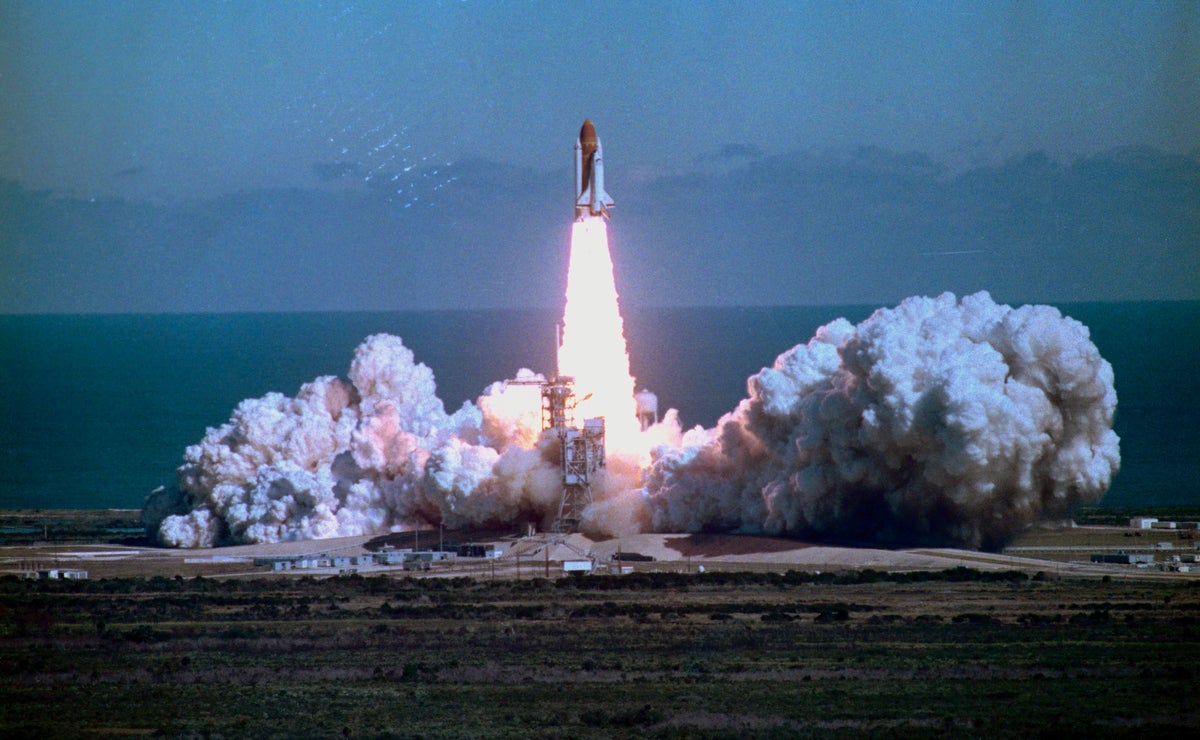
"Forty years ago today, disaster struck NASA's human spaceflight program when the space shuttle Challenger exploded 73 seconds after blastoff, killing all seven people onboard. The tragedy nearly brought the shuttle program to an early end. Decades later, the mistakes that led to the Challenger disaster, as well as fallout from the similar 2003 loss of the shuttle Columbia, loom particularly large now, as NASA seeks to launch four astronauts on the ambitious Artemis II mission around the moon as early as next week."
"Already NASA has faced public scrutiny over its handling of unexpected behavior from Orion's heat shield—crucial equipment to protect astronauts as they return to Earth—during an uncrewed orbital test flight in 2022. NASA believes that changes made as a result of Challenger and other disasters in its history are enough to keep Artemis crews safe. Challenger ... brought out aspects of the agency which hopefully no longer exist and which we are always working toward addressing"
Seventy-three seconds after liftoff in 1986, the space shuttle Challenger exploded, killing seven crew members and nearly ending the shuttle program. Mistakes from Challenger and the 2003 Columbia loss continue to shape NASA's safety approach as the agency prepares Artemis II, a planned crewed flight of the SLS rocket and Orion capsule that would send four astronauts around the moon and mark the first human departure from Earth orbit since Apollo in 1972. Public scrutiny has focused on unexpected behavior from Orion's heat shield during a 2022 uncrewed test. NASA says changes made after past disasters are intended to keep Artemis crews safe.
Read at www.scientificamerican.com
Unable to calculate read time
Collection
[
|
...
]