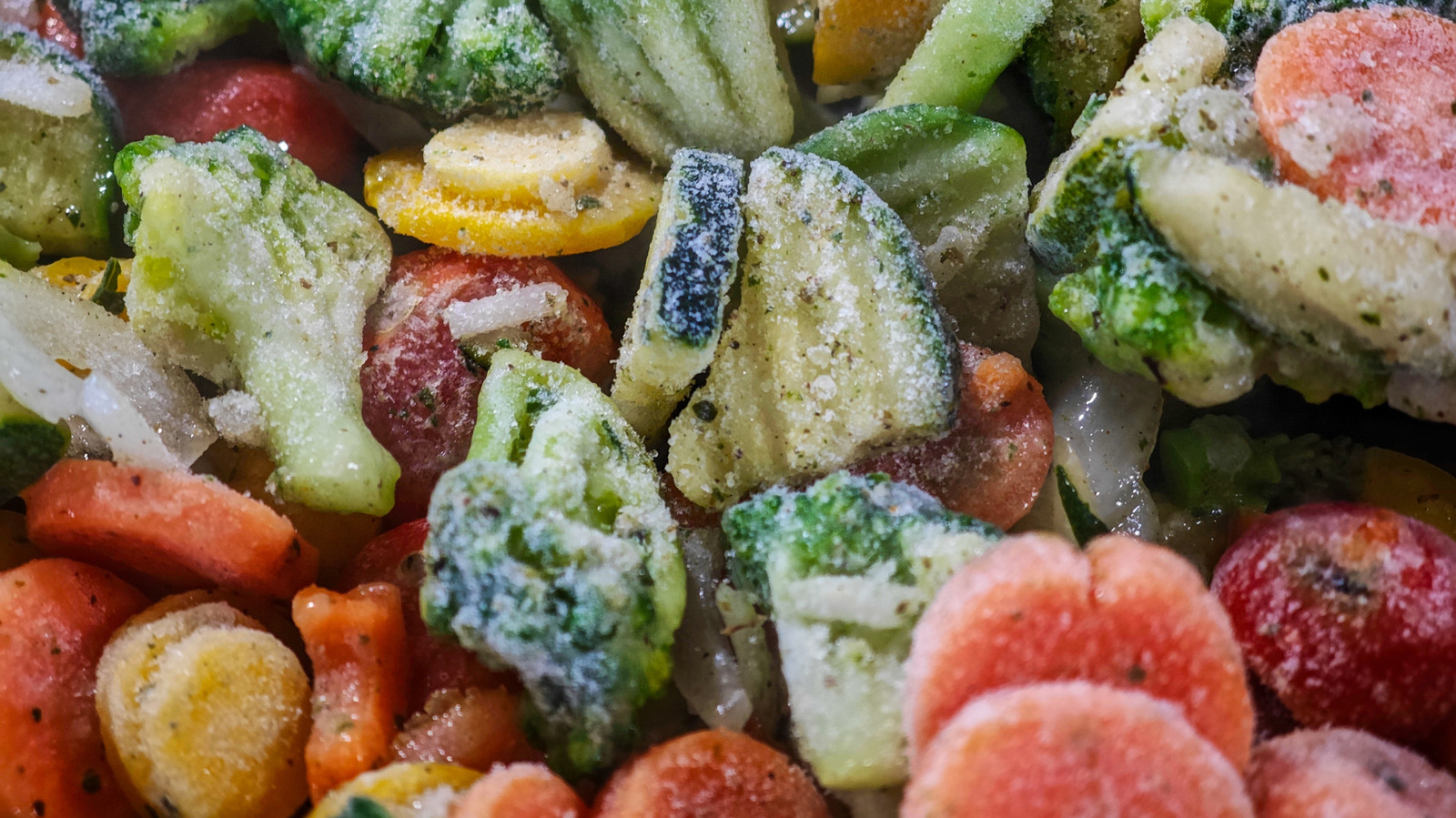
"Fresh vegetables can spoil and lose their quality quickly, which means they need to be picked, processed, and sent to stores with fast turnaround times. That means higher costs for things like labor and shipping. It's also a big part of why fresh vegetables are so expensive: waste. Food waste isn't just an issue for consumers at home; it also drives up what you pay at the store."
"Frozen produce doesn't have those issues. Since it has a much longer shelf life, there's far less waste in the supply chains, and this lowers the prices at the register. Because they can stay in storage, frozen vegetables make supply lines much more predictable. Disruptions like basic shipping delays or even natural disasters aren't major issues, because frozen products won't go bad."
Frozen vegetables are significantly cheaper than fresh produce, but this price difference stems from supply chain efficiency rather than quality concerns. Fresh vegetables require rapid processing and shipping to prevent spoilage, incurring higher labor and transportation costs. Food waste substantially impacts fresh produce pricing, as retailers must charge more for items that sell to offset losses from spoiled inventory. Frozen vegetables have extended shelf lives, eliminating most waste and creating predictable, resilient supply chains. This stability reduces price premiums needed to account for shipping delays or natural disasters. The longer storage capability of frozen produce allows for more flexible distribution and lower overall costs.
Read at Tasting Table
Unable to calculate read time
Collection
[
|
...
]