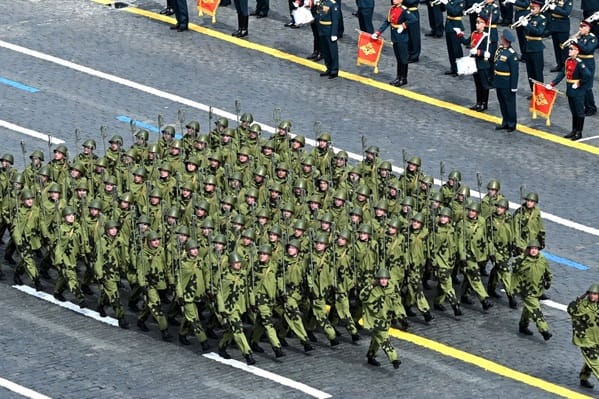
"While the Kremlin attempted to present its May 9th "Victory Day ceasefire" as a humanitarian gesture tied to commemorations of the Soviet victory in the Second World War, the reality across Russia and Ukraine overnight looked very different. Explosions, air raid alerts, drone interceptions and infrastructure strikes echoed across multiple regions as both sides accused the other of violating the truce almost immediately after it came into effect."
"Yet beneath the ceasefire rhetoric sat another unmistakable political calculation. Since the start of the full-scale invasion, Vladimir Putin has consistently framed the war domestically as a continuation of Russia's fight against "Nazism," attempting to portray Ukraine through the lens of the Second World War. Against that backdrop, any Ukrainian strike connected to Moscow's May 9 parade would almost certainly serve another purpose for the Kremlin: reinforcing one of its central propaganda narratives for a domestic audience already conditioned around the symbolism of Victory Day."
"Instead of calm, however, the hours leading into the parade saw waves of Ukrainian drones targeting Russian territory, air traffic disruptions across multiple cities, fresh strikes on energy infrastructure including the Yaroslavl oil refinery, and continued Russian attacks against Ukrainian cities despite the supposed "silence regime" already being in effect."
"The breakdown in confidence surrounding the latest ceasefire proposals did not happen overnight and has instead unfolded through a series of competing announcements, accusations and alleged violations over the past week. Timeline of the Ceasefire Dispute May 6: Volodymyr Zelenskyy again called for a broader unconditional ceasefire lasting at least 30 days, arguing that any meaningful truce needed international monitoring, clear guarantees and i"
A May 9 Victory Day ceasefire was presented as humanitarian and linked to Soviet World War II commemoration. Overnight conditions across Russia and Ukraine included explosions, air raid alerts, drone interceptions, and infrastructure strikes in multiple regions. Both sides accused each other of violating the truce soon after it began. The ceasefire rhetoric also reflected a political calculation tied to Vladimir Putin’s domestic framing of the war as a continuation of Russia’s fight against “Nazism,” using World War symbolism to portray Ukraine. Ukrainian strikes connected to Moscow’s parade would likely support Kremlin propaganda narratives for a domestic audience. Hours before the parade included waves of Ukrainian drones, air traffic disruptions, energy infrastructure strikes such as the Yaroslavl oil refinery, and continued Russian attacks on Ukrainian cities. Confidence in ceasefire proposals declined through competing announcements and alleged violations over the prior week.
#victory-day-ceasefire #russia-ukraine-war #propaganda-and-wwii-symbolism #drone-and-infrastructure-strikes #ceasefire-violations
Read at London Business News | Londonlovesbusiness.com
Unable to calculate read time
Collection
[
|
...
]