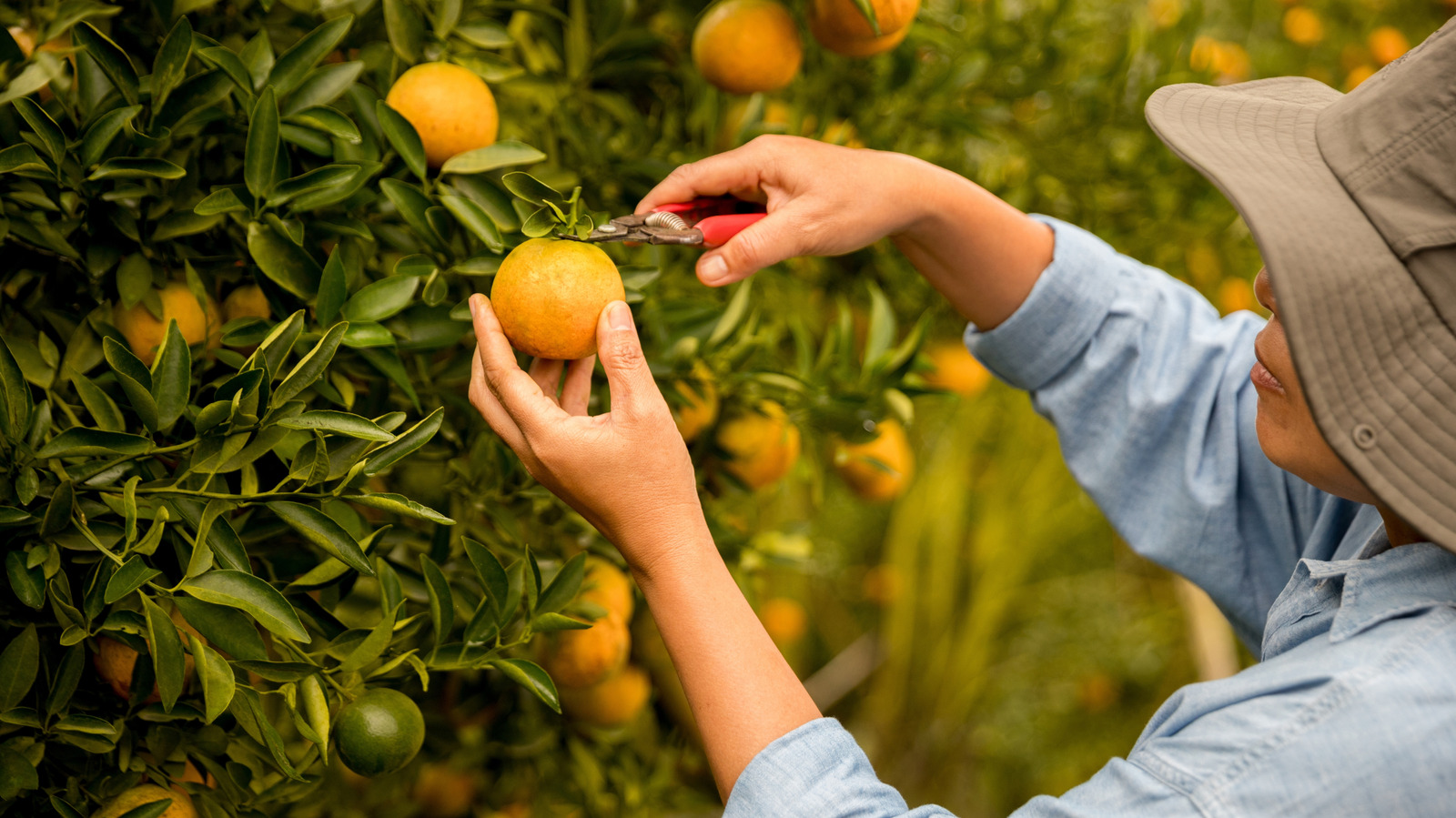
"Any time you plant a fruit tree, you're making an investment in the future. Just how long you reap the rewards of your efforts depends on which fruit you choose. Some trees, such as peaches, live just 10-15 years, but others thrive for decades - even centuries."
"If longevity is your main concern, it pays to do thorough research. Keeping your plant healthy is another factor, which means choosing a tree that's adapted to your climate, being aware of its susceptibility to pests and diseases, and knowing when the tree requires pruning. Keep in mind that expected lifespan isn't necessarily how long a tree produces fruit; most fruit trees are in their prime in younger years."
"Once your fruit tree does reach the end of its productive life, it still makes an excellent ornamental feature in your yard, and offers shade and a habitat for birds and wildlife."
"The mango tree is native to the warm climates of South Asia, so its suitability for growing in the U.S. is limited to zones 10 and 11. If you're lucky enough to live in Hawaii, Florida, or southern California, you can expect a mango tree to live upwards of 100 years in the garden."
Planting a fruit tree is a long-term investment, but the time before rewards depend on the fruit type. Some trees like peaches typically live 10–15 years, while others can thrive for decades or even centuries. Longevity depends on thorough research and ongoing health care, including selecting a tree adapted to local climate, understanding pest and disease susceptibility, and pruning at the right times. Expected lifespan does not equal fruiting duration, since many fruit trees produce best in younger years. When productive life ends, the tree can still serve as an ornamental feature, providing shade and habitat for birds and wildlife. Black cherry can average about 100 years and sometimes reach 250 years. Mango trees can live over 100 years in suitable warm zones such as 10 and 11.
Read at Tasting Table
Unable to calculate read time
Collection
[
|
...
]