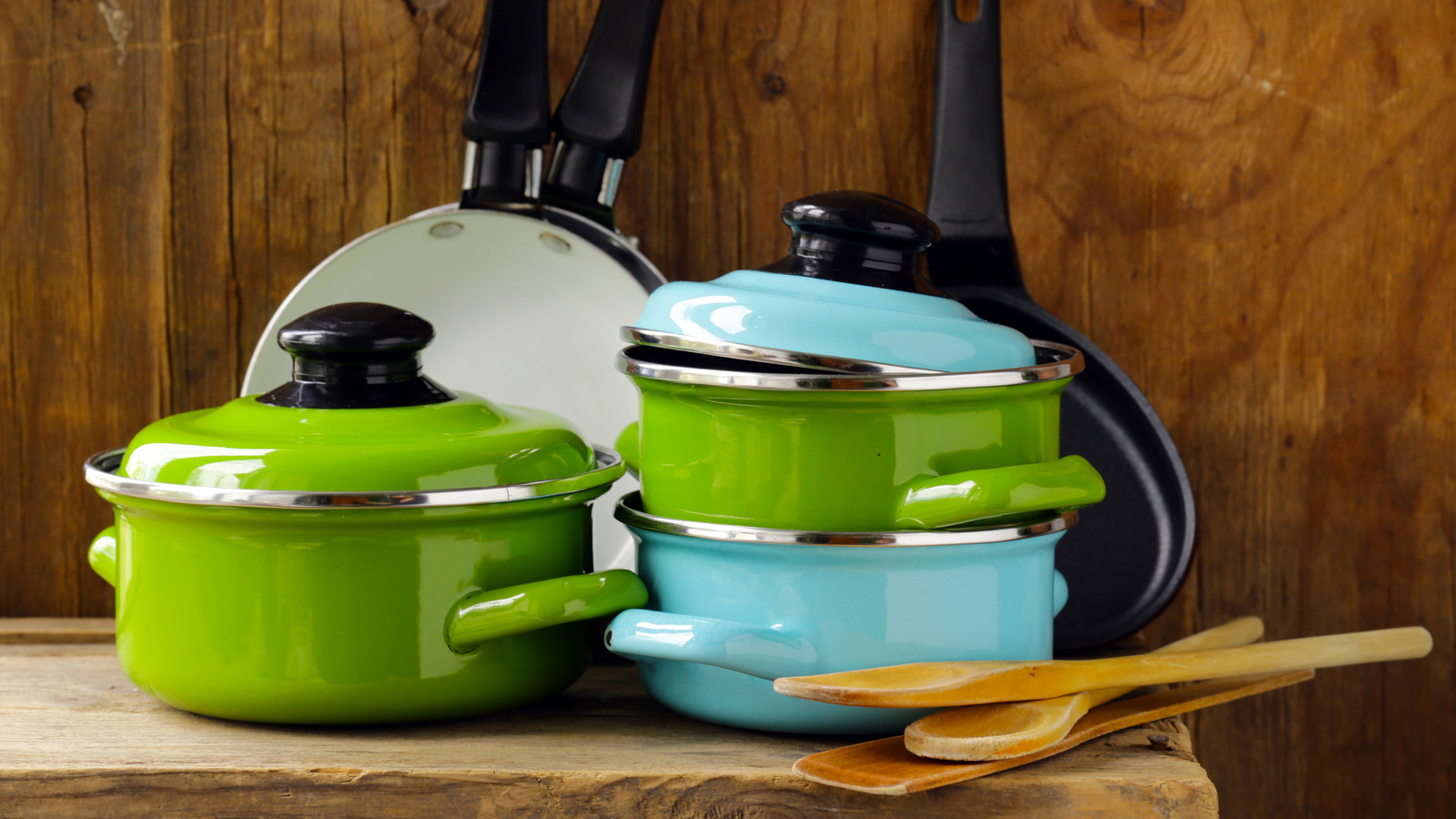
"Thrift shopping for your kitchen is underrated. Not only can you find things of great value - like decorative vintage plates or antique mason jars - you can also pick up utility items at ridiculously low prices. From baking tools and essentials like coveted KitchenAid stand mixers to pre-loved vintage crocks that even Martha Stewart swears by, there's a world of kitchen goodies waiting at a second-hand shop near you."
"However, If you're investing in pots and pans at a thrift shop, you must make sure they don't contain lead - and the only way to do that is by using a lead test kit. These kits, approved by the Environmental Protection Agency, are very simple to use. "They're sold at hardware stores and everywhere online for around $10. The kit comes with cotton buds in it."
Thrift shopping yields valuable decorative and utility kitchen items at low prices, including vintage plates, mason jars, stand mixers, and crocks. Lead can be present in older enamelware, china, and cookware because lead was used to make colors more vibrant and in coatings. EPA-approved lead test kits cost about $10, are widely available, and use cotton swabs that change color to indicate lead. All cookware older than about 50 years or made before the mid-1970s should be tested. Even minimal lead exposure is dangerous: lead poisoning harms central nervous system development in children and causes high blood pressure, cardiovascular problems, and kidney damage in adults. Contaminated pieces should be removed from food use and kept only for display.
Read at Tasting Table
Unable to calculate read time
Collection
[
|
...
]