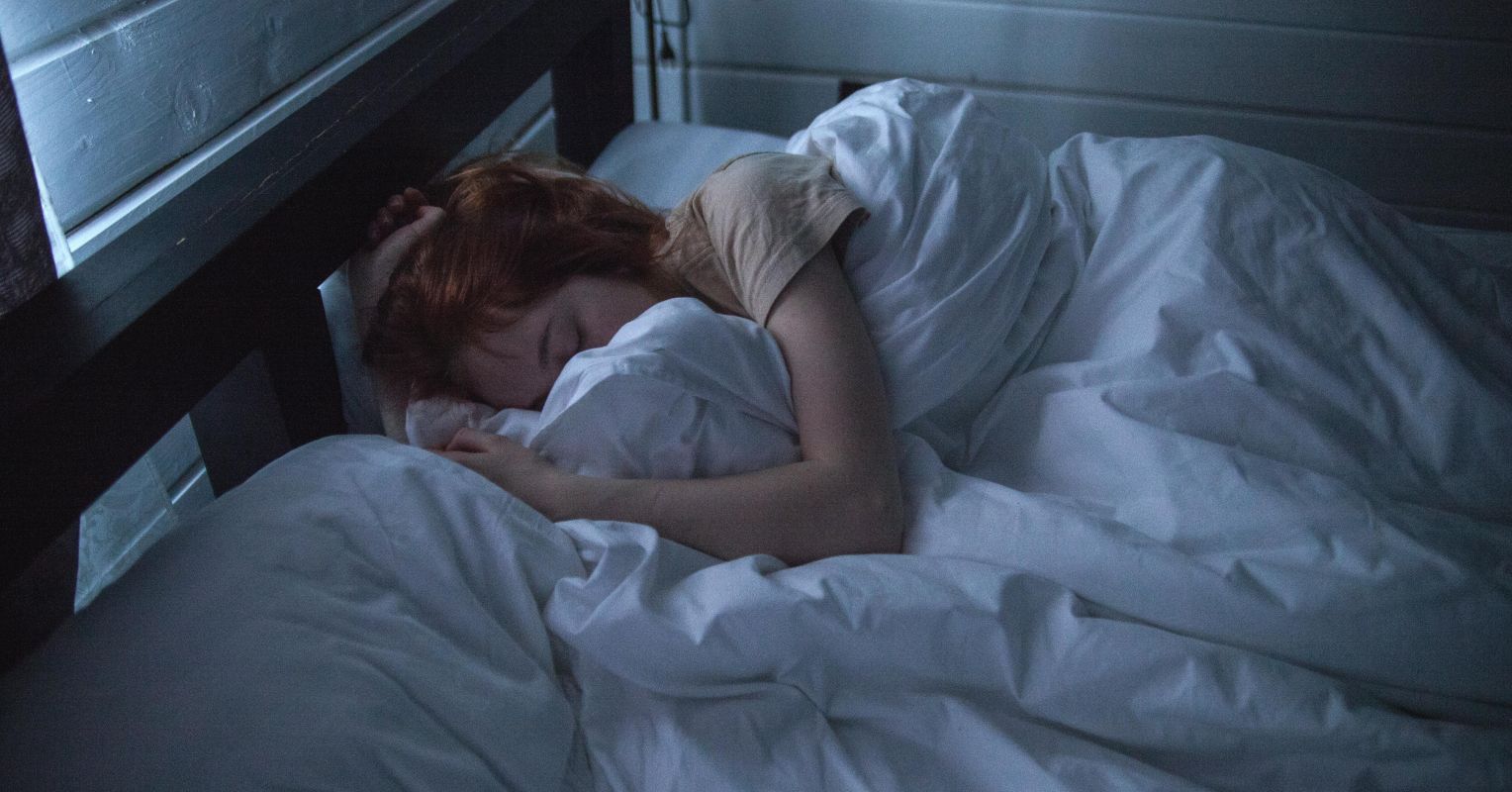
"To get the sleep we need can mean individuals taking deliberate personal steps and the medical establishment embracing artificial intelligence technology. The American Academy of Sleep Medicine, in 2025, pointed out that AI integration into sleep medicine has the potential to enhance clinical care and research. Goldstein et al (2023) stated: "We propose potential clinical use cases that transcend the sleep laboratory and are expected to deepen our understanding of sleep disorders, improve patient-centered sleep care, augment day-to-day clinical operations, and increase our knowledge of the role of sleep in health at a population level.""
"According to the Centers for Disease Control, Behavioral Risk Factor Surveillance System, the number of adults getting insufficient sleep and having short sleep duration vary by state. But estimates range from 30 to 40 percent. Sleep deficiency can be problematic in terms of learning, focusing, reacting, decision-making, and remembering. Researchers also report: "Sleep deficiency also can make you feel frustrated, cranky, or worried in social situations.""
"This season, in addition to work stress, family stress, relationship stress and holiday stress, we are experiencing early election stress. Poll numbers and potential candidates for the 2026 midterms are already trending in the news. A reminder of election stress was evident in the aftermath of the 2024 presidential campaign (Dzierzewski et al, 2024). Sixty-five percent of US adults reported they always or often feel exhausted when thinking about current politics."
AI, media literacy, and forgiveness are presented as tools to alleviate widespread sleep deprivation. Estimates indicate 30–40 percent of adults experience insufficient or short sleep. AI integration into sleep medicine can enhance clinical care, expand research, and enable patient-centered, outside-the-lab applications that improve population-level understanding. Sleep deficiency impairs learning, attention, reaction time, decision-making, memory, and social emotions. Stressors including work, family, relationships, holidays, and political or election-related anger contribute to exhaustion. High proportions of adults report political exhaustion. Both personal behavior changes and adoption of AI-enabled clinical approaches are suggested to address the problem.
Read at Psychology Today
Unable to calculate read time
Collection
[
|
...
]