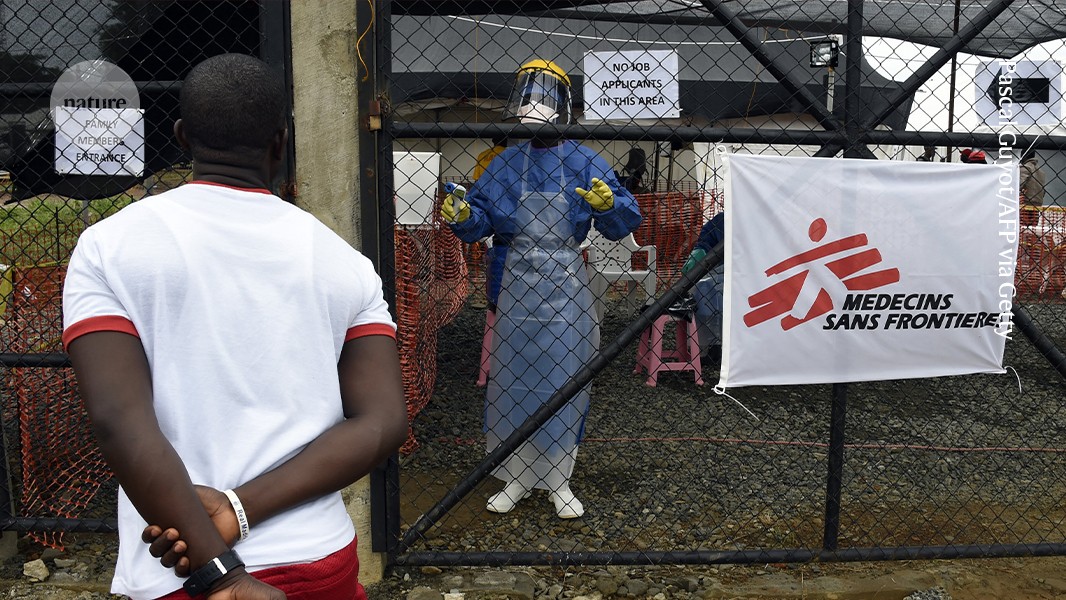
"I was working in a paediatric oncology unit early in my career. I found myself, as a young nurse, really struggling with the low survival rate of some groups of children. I think I was at the beginning of developing a personal sense of morality and ethics in health care."
"I decided to apply that sensitivity to humanitarian work with MSF. There, I found myself faced with a different type of dilemma, which is also linked to people's survival: you had limits around resources and structural inequities in the kinds of environment where I was working."
"In my current role, which I started in 2021 after about 20 years full-time at MSF, I support country-specific projects as well as sponsoring innovations."
Beverley Stringer has a diverse educational background and extensive experience with Médecins Sans Frontières (MSF). She began her career in nursing and transitioned to humanitarian work in 1992. Stringer currently serves as the deputy director of the Manson Unit in MSF UK, collaborating with various professionals to enhance research application. MSF, a Nobel Peace Prize-winning organization, provides medical assistance in emergencies and relies heavily on private donations for its operations. Stringer emphasizes the importance of addressing resource limitations and structural inequities in her work.
Read at Nature
Unable to calculate read time
Collection
[
|
...
]