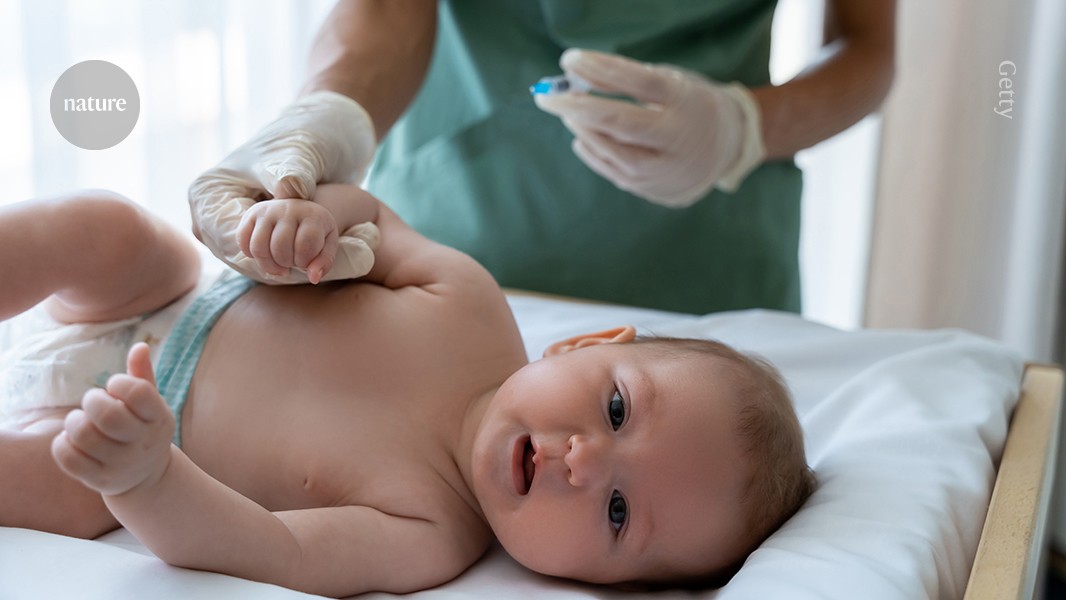
"Adjuvants are compounds that boost immune responses, improving the ability of vaccines to elicit long-lasting immunity against infectious diseases. At this week's meeting, the US Advisory Committee on Immunization Practices (ACIP) is expected to discuss aluminium, an adjuvant widely used in inoculations against diphtheria, tetanus and hepatitis B, among others. Over the past century, hundreds of millions of people have received vaccines containing small amounts of aluminium as an adjuvant."
"But researchers are also racing to develop new adjuvants that can stimulate the immune responses needed to combat specific pathogens. Such adjuvants could prove crucial to the success of the next generation of vaccines against diseases including tuberculosis and malaria, and against viruses such as HIV, says Darrell Irvine, a vaccine immunologist at the Scripps Research Institute in La Jolla, California."
"Adjuvants can work in different ways. Some adjuvants trigger low levels of inflammation at the injection site, thereby boosting recruitment of immune cells to where they are needed and encouraging the cells to linger there. Others are more specific, activating molecular signalling pathways in certain classes of immune cells. Aluminium is in the first category, and its vaccine-boosting properties have been known for more than a century, says Irvine."
Adjuvants boost immune responses and improve vaccines' ability to generate long-lasting immunity against infectious diseases. Aluminium is a widely used adjuvant in vaccines against diphtheria, tetanus and hepatitis B, and hundreds of millions of people have received aluminium-adjuvanted vaccines over the past century. Researchers are developing new adjuvants to stimulate immune responses targeted to specific pathogens, which could be crucial for vaccines against tuberculosis, malaria and HIV. Some adjuvants provoke local inflammation to recruit and retain immune cells; others activate molecular signalling pathways in specific immune-cell classes. Decades of use and regulatory scrutiny support aluminium's benefit-risk profile.
Read at Nature
Unable to calculate read time
Collection
[
|
...
]