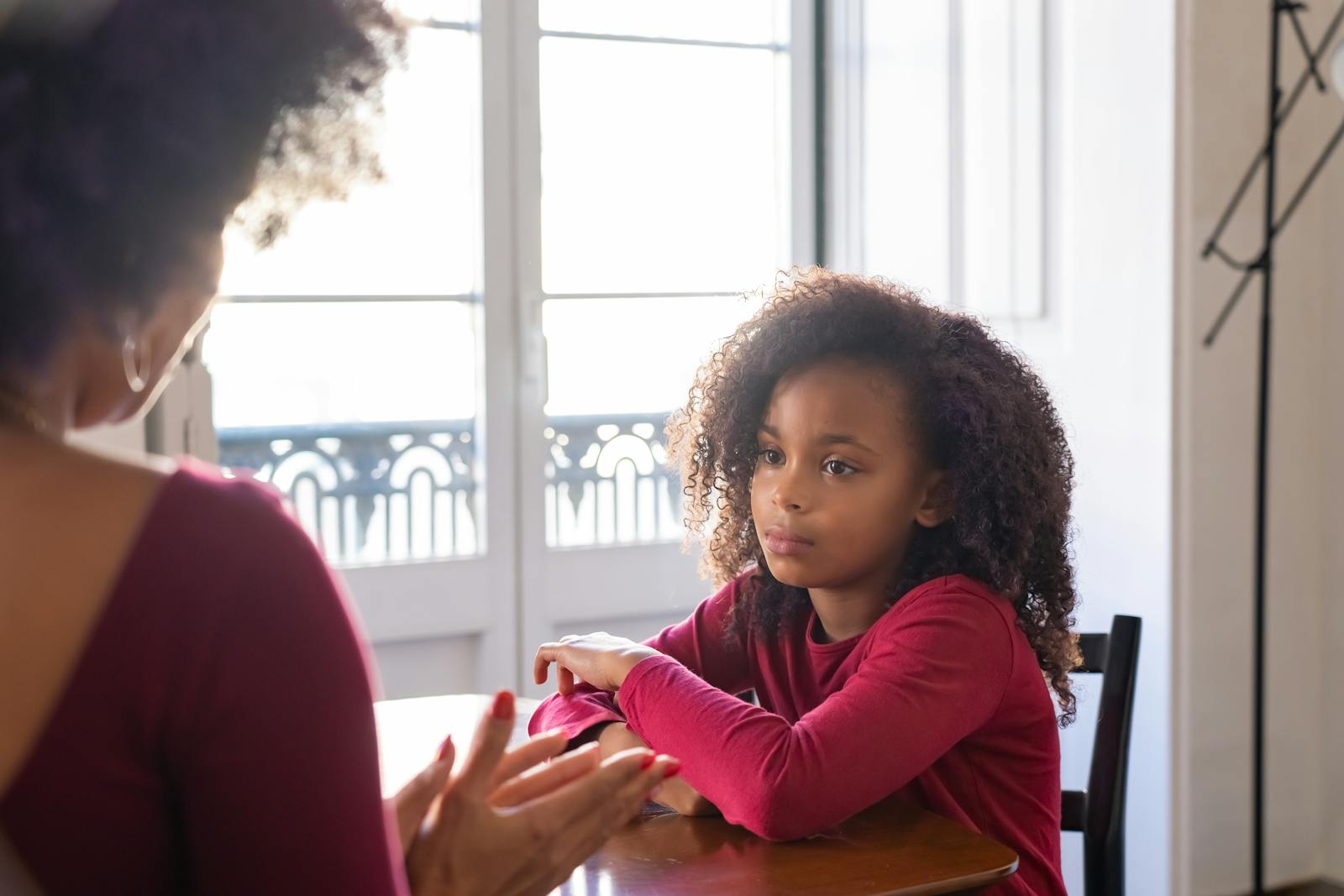
"There is a particular kind of attentiveness that gets mistaken for kindness. The friend who remembers, three months later, that you mentioned a sister's surgery. The colleague who keeps a mental file on which coworker has the gluten thing and which one has the dairy thing. The partner who never once forgets which side of the bed you sleep on, what time you stop drinking caffeine, what your mother said on the phone last Tuesday that bothered you. From the outside, this looks like warmth. From the inside, it often started as something else entirely."
"Most people assume this kind of recall is a personality trait, the same way some people are tall and some people are funny. The dominant explanation is that these people are simply more caring, more invested, more naturally attuned to others. That framing is comfortable. It is also incomplete. What it misses is that for a meaningful subset of careful rememberers, the skill was built. Not chosen, not enjoyed, not even consciously developed. It was assembled, slowly, in childhood, in response to environments where missing a detail had a price."
"Consider what it takes to track another person's preferences across months and years. You have to listen during conversations that don't seem important. You have to notice things the speaker didn't underline. You have to file the detail somewhere retrievable. You have to retrieve it on the right day, in the right context, without making the retrieval feel surveilled. That is a sophisticated cognitive operation. Children don't develop it for fun. They develop it because somewhere along the way, not noticing carried a cost."
"The cost might have been small and repeated: a parent who was mildly disappointed when you forgot they hated their hair touched, who got colder when you didn't pick up that today was a bad day. Or it might have been larger: a household where missing the signs of an oncoming mood meant the rest of"
Remembering specific personal details can appear as warmth, such as recalling surgeries, dietary restrictions, sleep preferences, caffeine timing, or upsetting phone conversations. Many people treat this recall as a natural personality trait, assuming the rememberers are simply more caring and invested. A meaningful subset of careful rememberers builds the skill rather than choosing it. The ability often forms in childhood in response to environments where failing to notice details had consequences. Tracking preferences across time requires listening to seemingly unimportant conversations, noticing unstated cues, storing information for later retrieval, and using it in the right context without making it feel like surveillance. Children develop this capacity when not noticing carries a cost, ranging from mild disappointment to colder reactions or larger household consequences tied to missing emotional signals.
Read at Silicon Canals
Unable to calculate read time
Collection
[
|
...
]