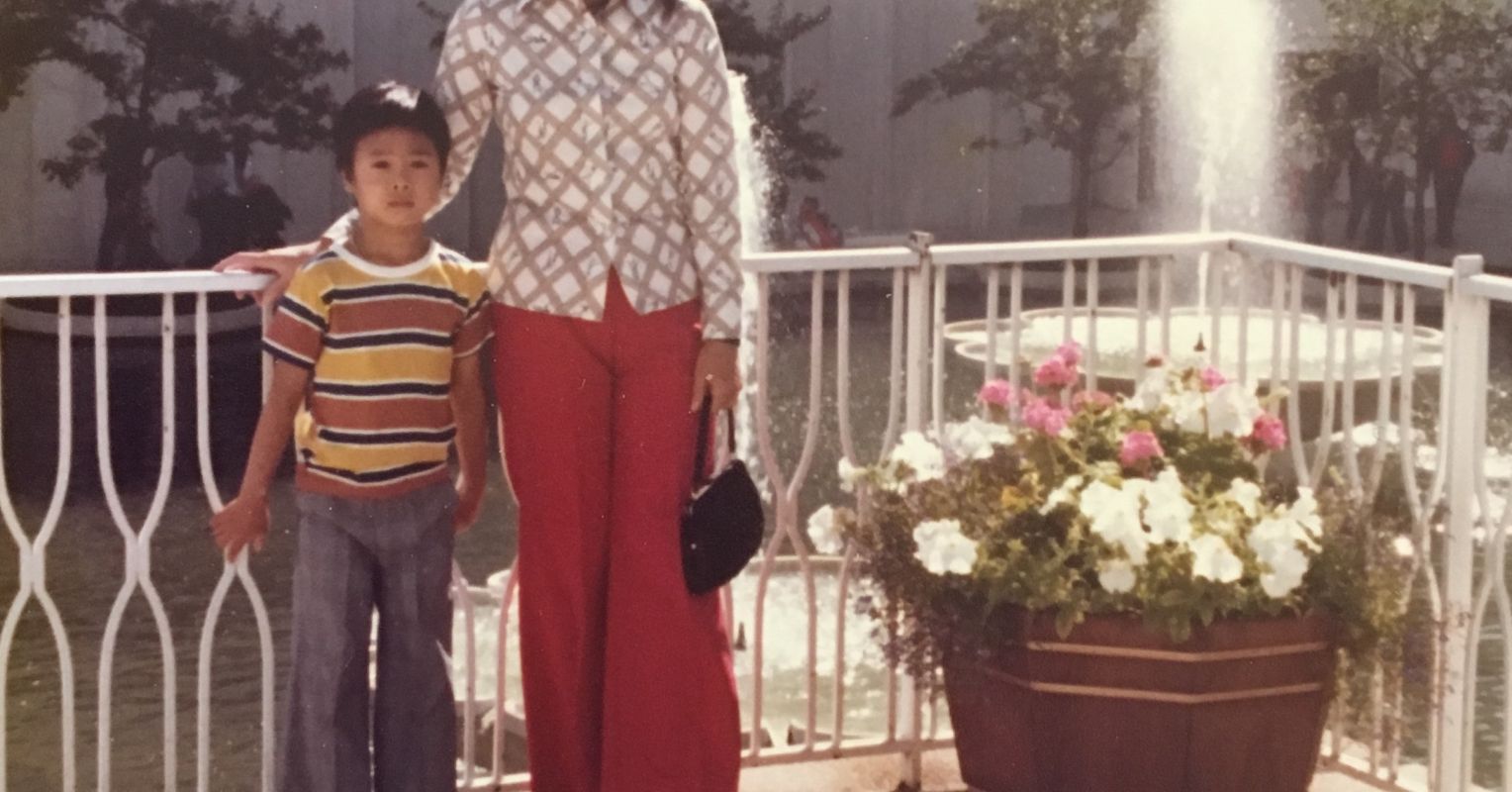
"Traditional Asian cultures pride themselves on emotional and physical control. Yet this restraint has become so exaggerated that it keeps Asian parents from showing any form of physical or emotional affirmation to their children. This detriment, unfortunately, can impact a child's sense of self and the relationship with their parents, with children questioning if their parents love them unconditionally. Culturally, Asians have suppressed emotional expression both verbally and non-verbally as a means of saving face."
"There's also a belief that if you praise a child through words or hugs, you are coddling the child. There's a fear that a child will become lazy and/or arrogant if given too many means of affirmation. In this belief, there's also a superstition that it can bring bad luck and evil spirits to children if you praise them directly or publicly."
"Physical touch itself has been documented to increase bonding, trust, and a sense of safety with a child, as well as increase an infant's brain development, lowering stress levels, and improving sleep."
Traditional Asian cultural emphasis on emotional and physical control leads many parents to avoid verbal and physical affirmation. Suppression of emotional expression serves to save face and protect family reputation. Many parents demonstrate love through material provisions rather than words or touch, believing praise may coddle children or invite bad luck. Reverse praise, calling infants "ugly" or "rotten," is practiced to ward off evil spirits. Research indicates physical touch increases bonding, trust, infant brain development, lowers stress, and improves sleep. Excessive restraint can undermine a child's sense of self and create uncertainty about parental unconditional love.
Read at Psychology Today
Unable to calculate read time
Collection
[
|
...
]