"In a ruling on Tuesday, Magistrate Judge William Porter seemed to indicate the government could not be trusted to stick to its narrow search without exposing more than 1,000 of Natanson's government sources to the Justice Department. It immediately fell like a dash of good news for the press."
"The judge in the case slammed prosecutors for not briefing him in their search warrant application on a federal law that protects reporters against searches in many situations - the Privacy Protection Act of 1980. The failure to do so, Porter wrote, 'has seriously undermined the Court's confidence in the government's disclosures in this proceeding.'"
"That's because the judge did not order that Natanson's devices be returned to her. The Post's editorial board wrote, 'The upshot is that the judge plans to review Natanson's devices for information relevant to the case of one person who has been accused of leaking classified information.'"
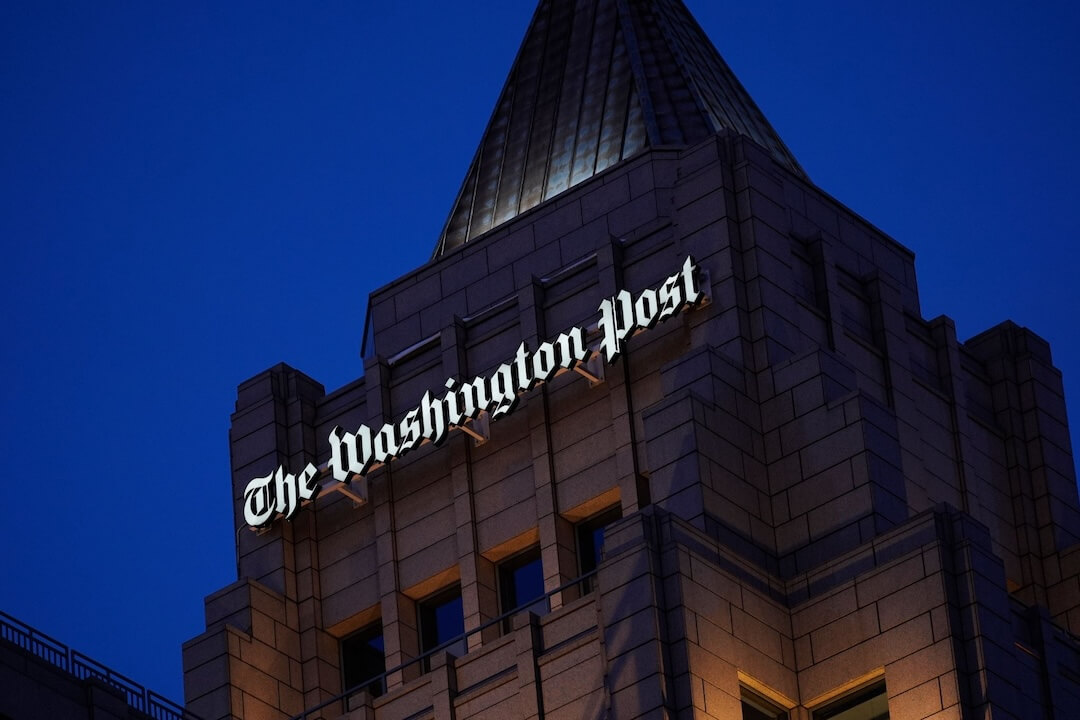
The Department of Justice seized electronic devices from Washington Post reporter Hannah Natanson while investigating a classified information leak, though she faced no accusations. A federal magistrate judge ruled the government cannot freely search these devices, finding the DOJ failed to acknowledge the Privacy Protection Act of 1980 in its warrant application. The judge expressed concern that unrestricted access could expose over 1,000 of Natanson's government sources. However, the ruling represents only a partial victory, as the judge retained the devices for his own review rather than ordering their return. The Washington Post editorial board acknowledged the ordeal has damaged press freedom despite this procedural protection.
#press-freedom #government-surveillance #reporter-protection #privacy-protection-act #classified-information-leak
Read at Poynter
Unable to calculate read time
Collection
[
|
...
]