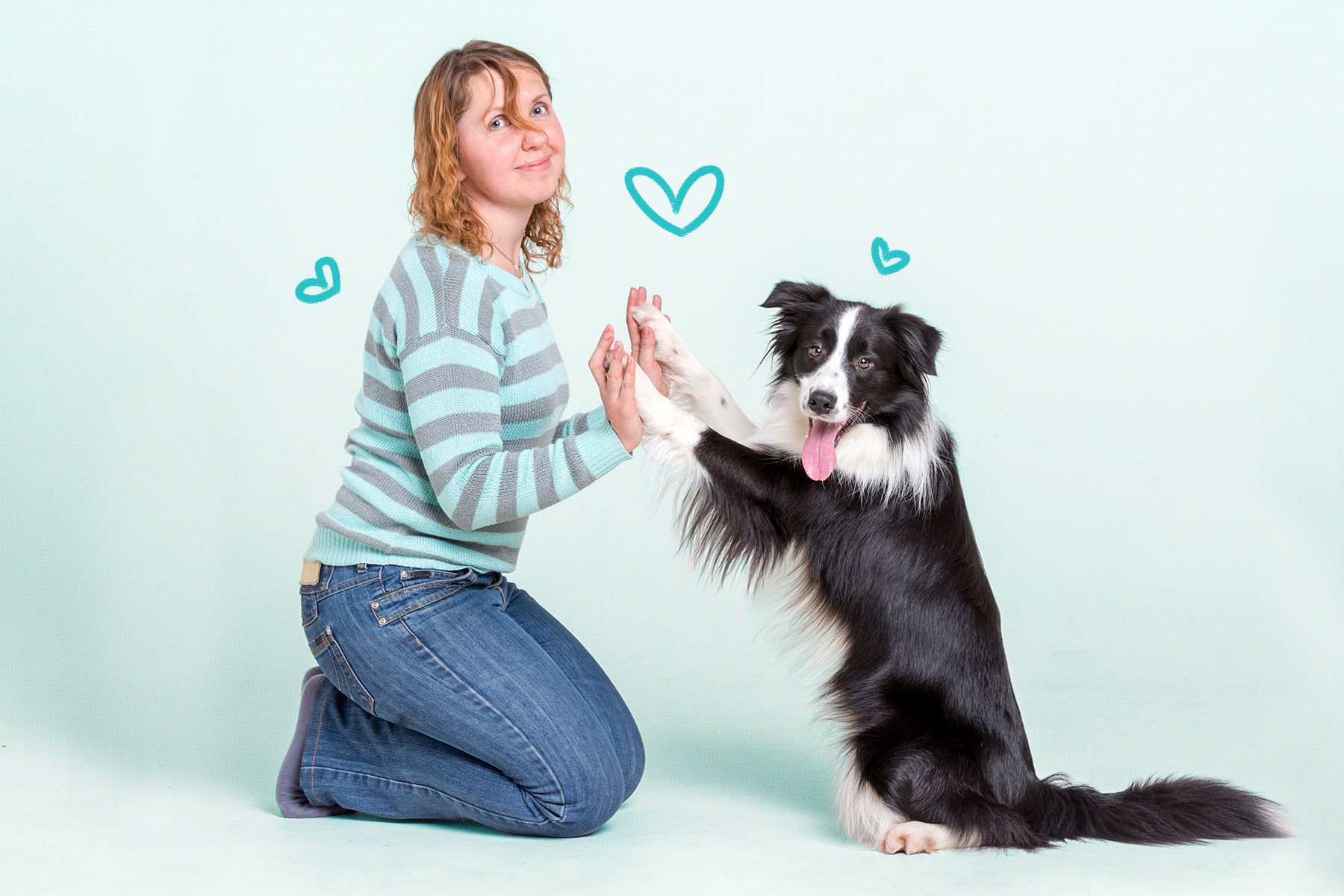
"R ecently, my friend Oren was mulling over a quandary. "If some eccentric billionaire came up to me and was like, 'That's a great dog, I want to buy him. What does he cost?' I don't think there's a number that exists," he said about his beloved Australian Shepherd, Crosby. "Would I sell him for, like, $10 million? I absolutely would not. The entire reason for having $10 million would be to take Crosby on a boat to Europe or something like that.""
"In my friend group of thirtysomething yuppies, most are married, and many have kids. An eavesdropper on our dinner conversation probably couldn't say for certain whether we're talking about Beagles or babies. At least not from the way we discuss these pooches' personalities and prescriptions, or trade tales of digestive disasters. An obsession with one's pet was once a hallmark trait of eccentric sitcom characters. But if the question "Who rescued who?" used to induce eye rolls and forced smiles,"
Many dog owners now treat pets as central family members and prioritize their animals' needs over conventional convenience. Pets with separation anxiety require constant arrangements like sitters or daycare, constraining owners' social options and prompting owners to bring dogs everywhere. Conversations among pet owners often mirror parenting discourse, focusing on personalities, medical details, and daily routines. The pandemic adoption surge accelerated the trend toward pampering and humanizing animals. These dynamics reshape routines, friendships, and leisure, as owners select activities that accommodate pets and integrate animals extensively into social life.
Read at The Walrus
Unable to calculate read time
Collection
[
|
...
]