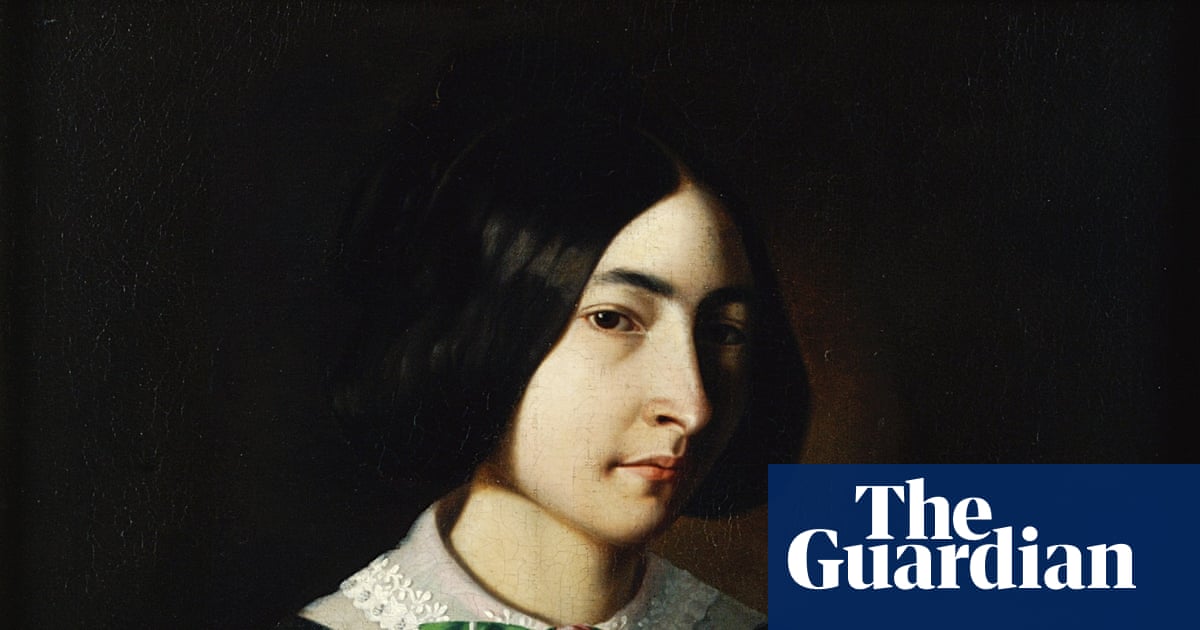
"A prolific polymath, Sand published 70 novels, as well as travel writing, criticism, autobiography, political polemic and visionary essays on the interconnectedness of the natural world. She founded several politically progressive periodicals and became a highly successful playwright. But none of it came easy. When she burst on to the Paris scene in 1831 at 27, writing for Le Figaro, she became immediately notorious as a woman in a man's world."
"Her writing is beautiful, expressive and easy to read. Yet her technique was radical. Emotional, idealistic writing about social injustice was something new. She wrote intimately, avoiding the panoramas of Balzac or Dickens. Her stories were full of detail about lived experience. And, starting with her bestselling 1832 debut Indiana, about the cruelty of arranged marriages, she placed women and children at the centre of their own stories."
"Through pandemic, riots, typhoid, divorce and custody battles, bereavements and war, Sand never gave up on her vocation. Contemporary gossip columns like male critics ever since portrayed her as both a man-hater and a man-eater. She was the cross-dressing, cigar-smoking divorcee Charles Baudelaire would label a latrine, and Friedrich Nietzsche a dairy cow."
George Sand stands as one of Europe's most significant literary figures, celebrated by contemporaries like Victor Hugo and Flaubert for her transformative impact on culture. A prolific polymath, she published 70 novels alongside travel writing, criticism, autobiography, and political essays exploring ecological and social interconnectedness. She founded progressive periodicals and became a successful playwright. Upon arriving in Paris in 1831, Sand faced immediate notoriety and vicious misogynistic attacks from critics and contemporaries. Her revolutionary writing technique combined emotional idealism with intimate detail about lived experience, departing from panoramic styles of her era. Beginning with her 1832 debut Indiana, she centered women and children in their own narratives, addressing social injustice through accessible yet technically radical prose. Despite personal hardships including divorce, custody battles, and war, Sand maintained unwavering commitment to her literary vocation.
#george-sand #feminist-literature #19th-century-european-writing #literary-innovation #womens-social-advocacy
Read at www.theguardian.com
Unable to calculate read time
Collection
[
|
...
]