"Why are we here? And what's the point?" he vented to Sue. "Oh, I figured that out before I come here," Sue replied. "And you haven't?" "I have, for me," Richard said. "But we haven't, for us.""
"Every episode, contestants go to tribal council and send home one of their own. They do this until only one winner remains, and is awarded $1 million. At first, contestants didn't coordinate with one another, and mostly voted for whomever they didn't like, or people who were underperforming in challenges. One guy simply voted for his fellow castaways in alphabetical order."
"That first season had an uncertainty to it. Was Survivor primarily about watching strangers build a new community together, or was the individual game of voting opponents off the island the whole point? But slowly over that first season-and then dozens more, as the show became the most influential reality show in the history of TV -the game took center stage."
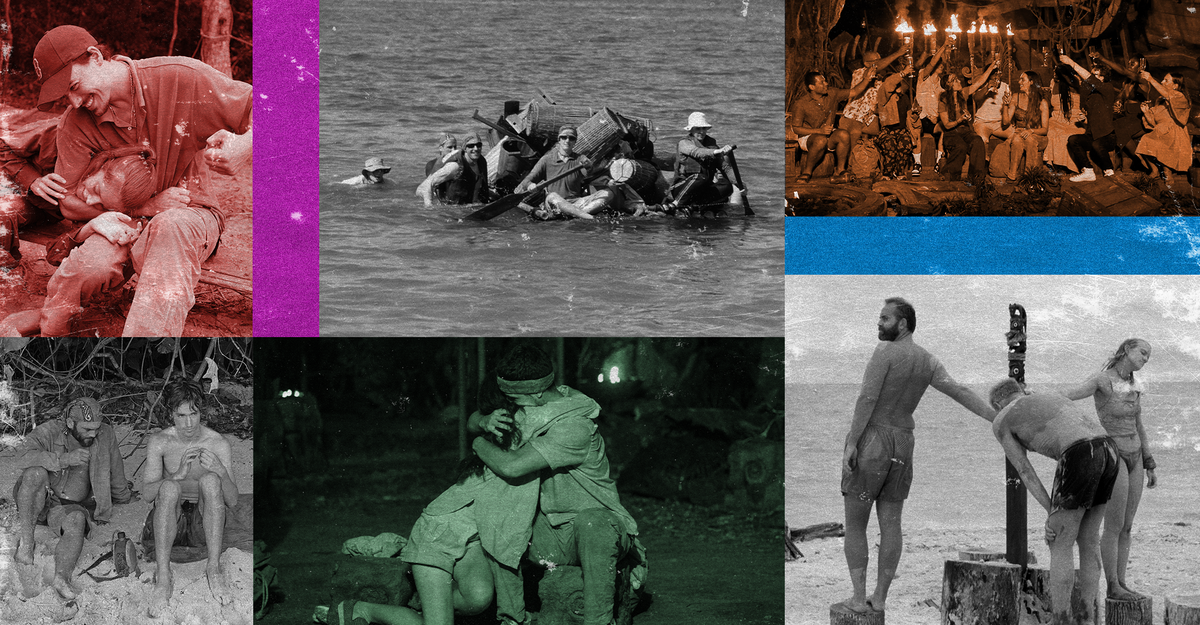
"That game illuminates the tension between self and community that has fueled the show's longevity, and reflects the preoccupations of a country that has always been torn between the two."
Survivor’s core appeal appears early, before obvious survival tasks. Early contestants struggled to coordinate camp-building and establish a common purpose, with one person questioning why they were there and another noting that the purpose was unclear for the group. The show’s structure forces repeated decisions at tribal council, where one castaway is voted out each episode until a single winner receives $1 million. Early voting often reflected personal dislike or challenge performance rather than strategy. Over time, the voting game became central, revealing ongoing tension between self and community and mirroring a broader cultural conflict between individualism and collective life.
Read at The Atlantic
Unable to calculate read time
Collection
[
|
...
]