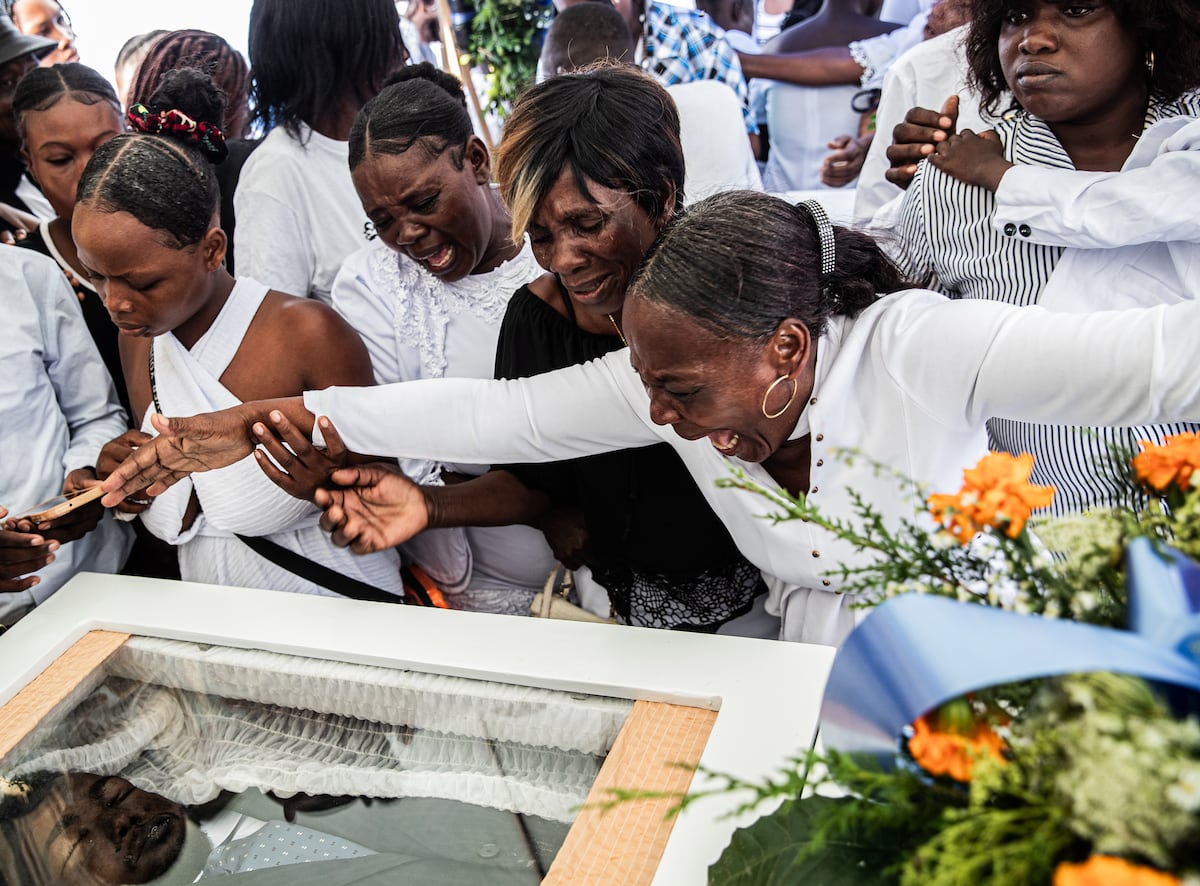
"On September 20, 2025, at around 7 a.m., dozens of children ran through the Simon Pele neighborhood in northern Port-au-Prince. They played among the colorful alleyways controlled for years by the gang of the same name waiting for Albert Steevenson, alias Djouma, to hand out toys as part of his birthday celebration. But quadcopter drones from an official operation, armed with explosives, were also flying through the alleyways with a clear objective: to kill the elusive Haitian gang leader."
"This failed operation was one of 141 suicide drone strikes ordered by Prime Minister Alix Didier Fils-Aime between March 1, 2025, and January 21, 2026. A Human Rights Watch (HRW) report, published Tuesday, tallied these attacks, stating that at least 1,243 people were killed, including 43 adults who were not members of criminal groups, as well as 17 children."
"During the 10 months of operations, Human Rights Watch received no information indicating that any gang leaders were killed as a result of the drone strikes. Juanita Goebertus, a lawyer and director of the Americas division of Human Rights Watch, emphasizes the illegality of these drones. When lethal force is used outside the context of armed conflict, as is the case in Haiti, and as a first option, these deaths could constitute violations of international law."
Between March 2025 and January 2026, Prime Minister Alix Didier Fils-Aime authorized 141 armed drone strikes in Haiti targeting gang leaders. The operations resulted in at least 1,243 deaths, including 43 non-gang-affiliated adults and 17 children, with 738 people injured. A September 2025 strike in Port-au-Prince killed at least 10 people, eight minors, while attempting to target gang leader Albert Steevenson. Despite the extensive campaign, no gang leaders were killed or arrested. Human Rights Watch documented the strikes as potentially illegal use of lethal force outside armed conflict, raising serious human rights concerns about civilian casualties and operational ineffectiveness.
#haiti-drone-strikes #civilian-casualties #human-rights-violations #military-operations #gang-violence
Read at english.elpais.com
Unable to calculate read time
Collection
[
|
...
]