"“When we opened Taylor Street, we were resolving one of our largest encampments and needed a safe, managed place for people to quickly stabilize before transitioning to interim or permanent placements,” Mahan told San José Spotlight. “Safe sleeping is still a useful tool, but tough fiscal years require tradeoffs. That's why this year we're prioritizing the rest of our interim system and specifically bringing down cost by rebidding nonprofit contracts and leveraging county mental health services.”"
"“The safe sleeping site, which is managed by nonprofit HomeFirst, took four months to construct, $2.6 million to build and $2.4 million a year to operate.” The Taylor Street Navigation Hub was scheduled to close by next January as San Jose grapples with its $50 million deficit, months after it opened."
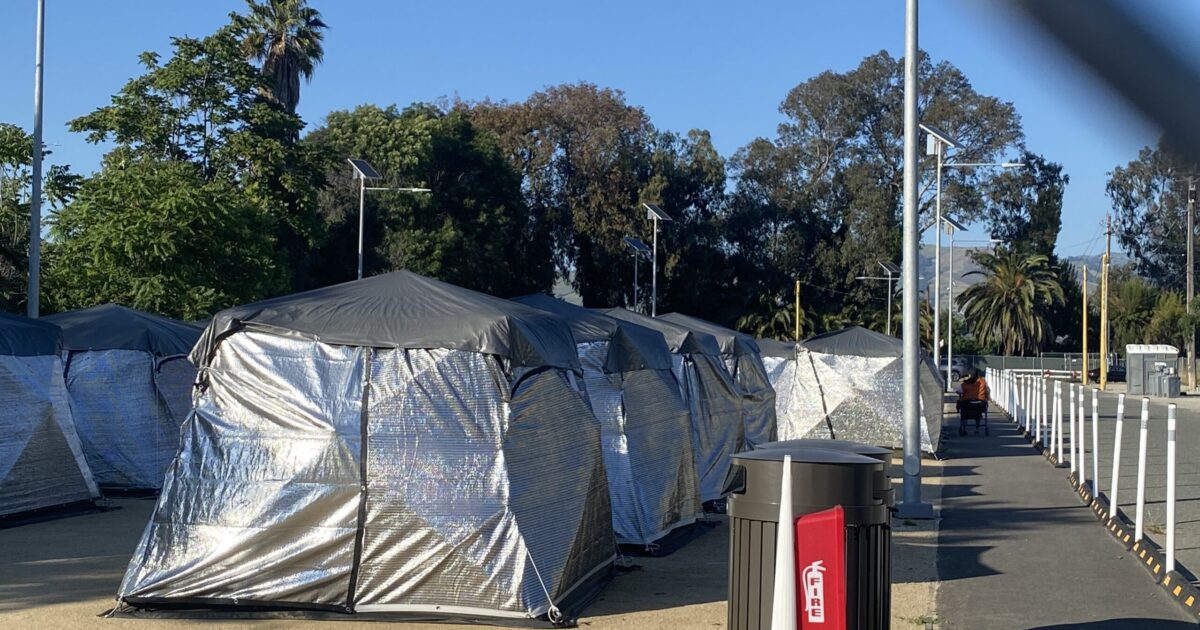
"“Last September, San Jose transformed a vacant lot at 1157 E. Taylor St. into a safe sleeping site with 56 tents.” Participants were given three daily meals and had access to showers, laundry facilities and case management. The city dubbed it a “navigation hub,” with the goal of moving people within 30 days to a tiny home site or motel converted to a shelter."
"“Mahan said the city may reintroduce safe sleeping sites if future budgets have the funds.” The mayor previously said he was inspired by San Diego’s sanctioned encampment after visiting two years ago, where two safe sleeping sites could host up to 767 people with tents provided by the city."
San Jose plans to decommission the Taylor Street Navigation Hub, its only sanctioned tent homeless encampment, scheduled to close by next January. The city faces a $50 million deficit and is prioritizing other parts of its interim housing system. The hub opened months earlier and was built over four months at a $2.6 million construction cost, with $2.4 million in annual operating costs managed by nonprofit HomeFirst. The site provided 56 tents, three daily meals, showers, laundry facilities, and case management, with a goal of moving people within 30 days to tiny homes or motel-based shelter placements. The mayor said safe sleeping remains useful but requires tradeoffs during tight fiscal years, and the city may reopen such sites if future budgets allow.
Read at San Jose Spotlight
Unable to calculate read time
Collection
[
|
...
]