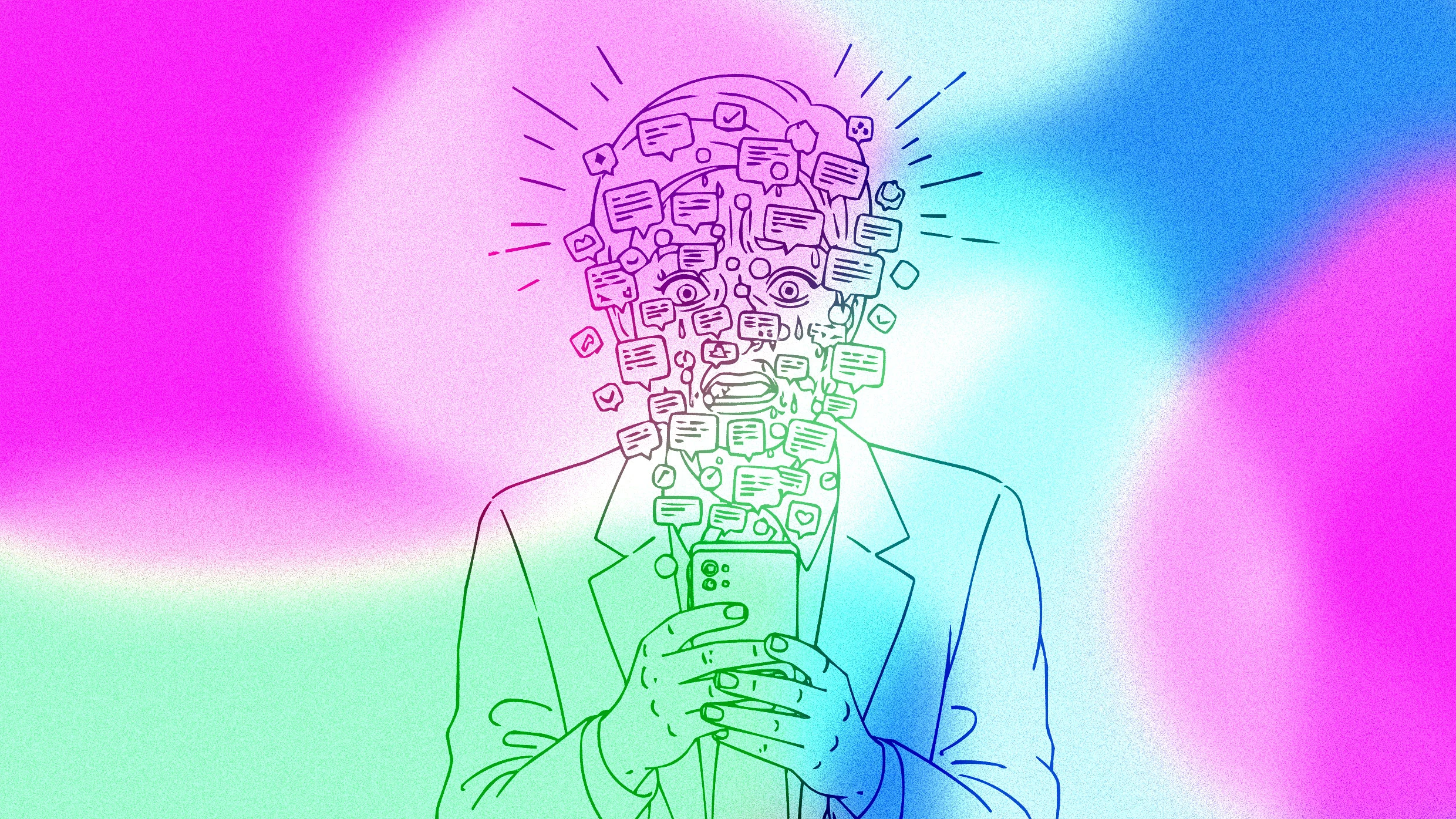
Distraction serves as a mechanism to avoid confronting difficult emotions and self-reflection. When life remains busy with work and obligations, traumatic memories and internal struggles stay suppressed. However, moments of quiet inevitably allow suppressed experiences to resurface. The distinction between an attention economy and distraction economy is crucial: attention is not merely extracted but actively surrendered through personal choice. Every moment of directed focus represents a deliberate decision. Philosophers from Socrates to Kierkegaard have emphasized the importance of self-knowledge, warning that losing oneself occurs quietly and almost imperceptibly. Unlike other losses that are immediately noticeable, the displacement of self through constant busyness happens without obvious recognition.
"When our attention is constantly absorbed elsewhere, we can avoid more than a painful memory. We can avoid ourselves. Distractions are not merely problematic because they waste time. They also displace the self. Have you ever completely lost track of time while scrolling on social media or watching videos? It's not hard to imagine how that same pattern can play out in larger ways."
"From our individual perspective, it is more accurate to call it the distraction economy. That distinction matters, because attention is not merely a resource others extract from you. It is something you wield. Every time you direct your focus, you are making a choice, and every time you surrender it, you are making one too."
"Søren Kierkegaard understood what was at stake when that effort fails: 'The greatest hazard of all, losing the self, can occur very quietly in the world, as if it were nothing at all. No other loss can occur so quietly; any other loss-an arm, a leg, five dollars, a wife, etc.-is sure to be noticed.'"
#distraction-and-self-awareness #attention-economy #trauma-and-avoidance #personal-choice-and-agency #philosophical-self-knowledge
Read at Fast Company
Unable to calculate read time
Collection
[
|
...
]