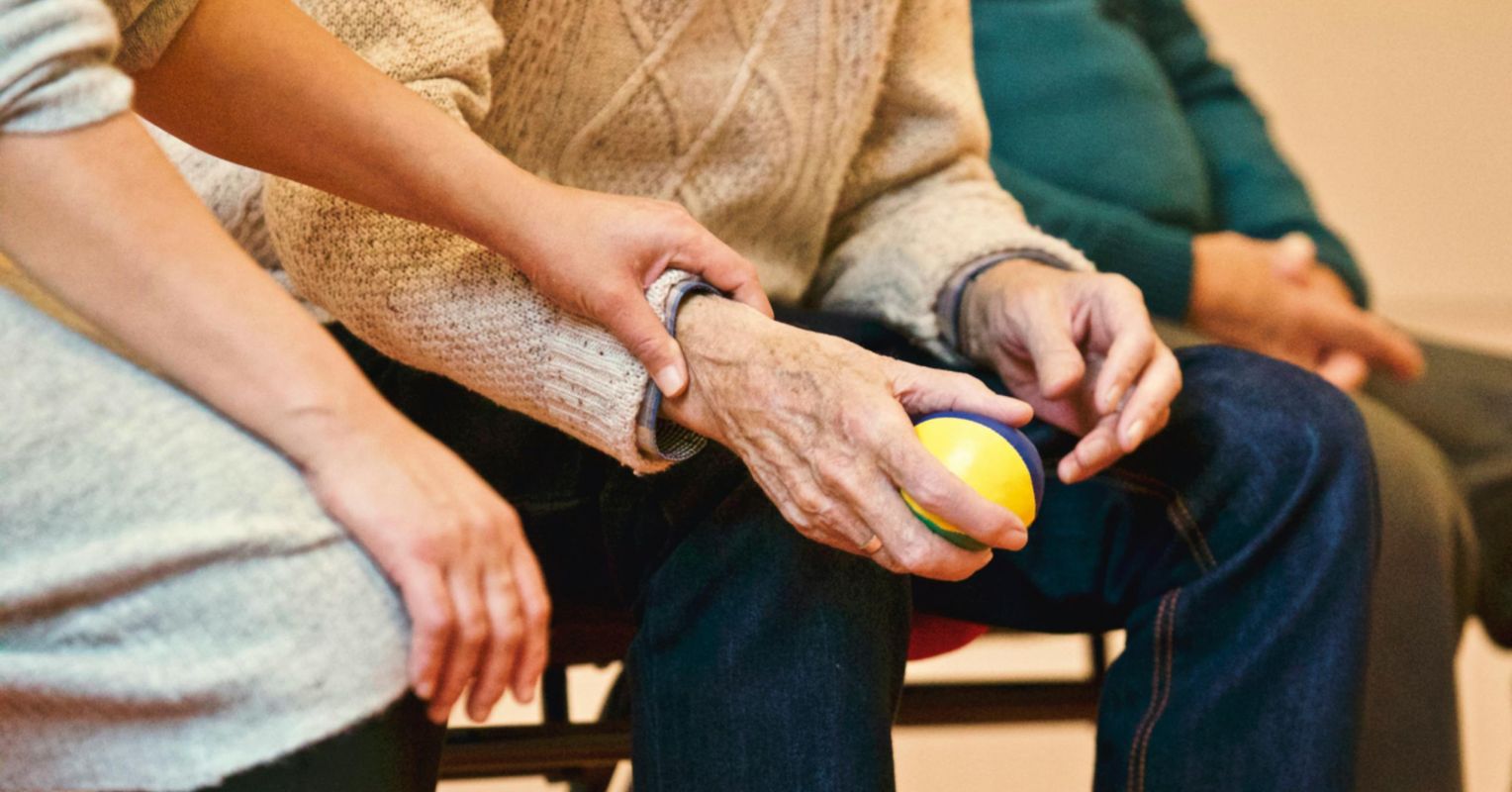
"They inspire us. But they leave out a crucial part of the story. Because the truth is, no one actually recovers from a crisis completely alone. Even the most determined survivors are shaped by the people around them. Healing usually begins quietly, in the presence of someone who stays, listens, and creates a sense of safety-without judgment. That steady presence is often what makes the first leaps of recovery possible."
"From a neuroscience perspective, when the nervous system is stuck in fight, flight, or freeze, our ability to think clearly, reflect, or make meaning is limited. For instance, a recent study found that when people make decisions immediately after a stressful experience, activity in the dorsolateral prefrontal cortex-the brain region responsible for thoughtful reasoning and complex decision-making -is reduced compared with less stressed states. This suggests that stress shifts the brain away from deliberate reasoning and toward more in"
Healing from crisis rarely happens in isolation; supportive relationships and steady, nonjudgmental presence enable recovery and create conditions for post-traumatic growth. Feeling safe is the foundational step because the nervous system reacts to danger before conscious thought occurs, limiting reflection and complex decision-making when stuck in fight, flight, or freeze. Stress reduces activity in brain regions involved in deliberate reasoning, impairing thoughtful choices immediately after trauma. Positive psychological change tends to emerge when connection, care, and consistent listening surround someone navigating the aftermath. Without those relational supports, even highly resilient individuals find it difficult to move forward.
Read at Psychology Today
Unable to calculate read time
Collection
[
|
...
]