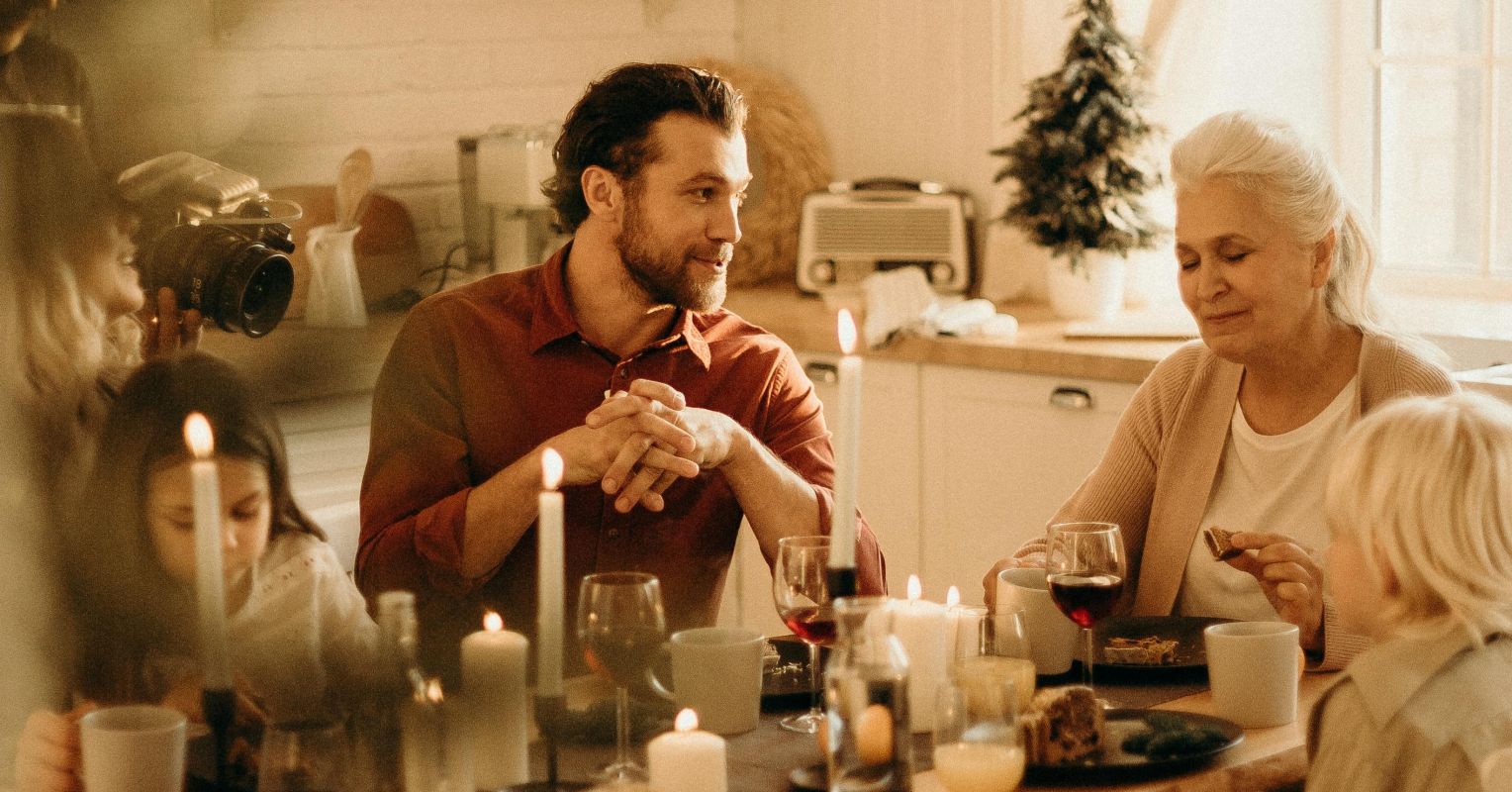
"Gray divorce can disrupt family rituals, increasing loneliness during holidays and milestones events. Loneliness during and after divorce can harm emotional and physical health across generations. Volunteering can reduce loneliness, boost purpose, and improve emotional, physical, and social well-being. Gray divorce is the name researchers coined for adults aged 50 and older ending their marriage. They found that gray divorce doubled between 1990 and 2010. Currently, 36% of U.S. adults getting divorced are aged 50 or older."
"Neuroscience researcher Dr. Amy Banks states that a new field of scientific study that she terms "relational neuroscience" indicates that our brains and bodies are hardwired to help us engage in satisfying emotional connection with others, and that the human brain is built to operate within a network of caring human relationships. Other research found that feelings of loneliness and social rejection activate the same neural networks in our brains as physical pain."
Gray divorce refers to adults aged 50 and older ending their marriage, and its incidence doubled between 1990 and 2010, with 36% of current divorces occurring among this age group. Gray divorce can affect multiple generations, including minor and adult children, grandchildren, and great-grandchildren, destabilizing assumed lifetime family relationships. Family members often experience loss, shock, disbelief, destabilization, overwhelm, aloneness, sadness, loneliness, and grief. Neuroscience indicates that the human brain is hardwired for caring relationships, and feelings of loneliness and social rejection activate neural networks similar to physical pain. Loneliness after divorce can harm emotional and physical health. Volunteering can reduce loneliness, increase purpose, and improve emotional, physical, and social well-being.
Read at Psychology Today
Unable to calculate read time
Collection
[
|
...
]