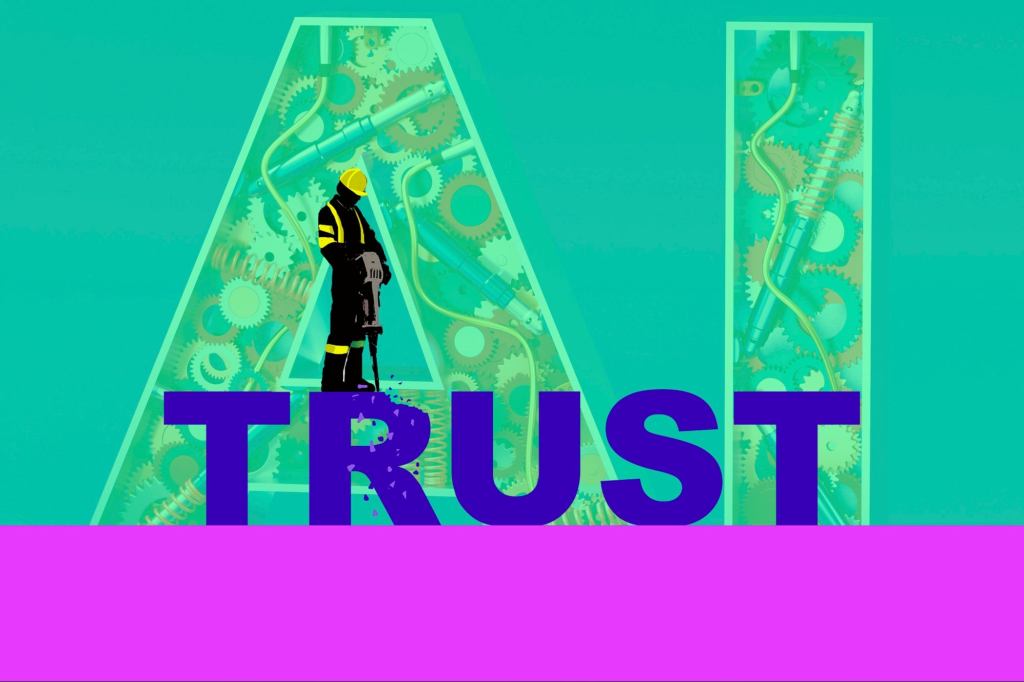
AI transitions create confusion and fear during internal transition periods. Delayed communication allows rumors to spread faster than facts, leading employees to form conclusions before leaders respond. Direct, honest conversations that share known information, unknowns, and timelines for learning stabilize organizations more effectively than staged rollout plans. Silence during AI change can feel responsible, but it creates a vacuum that others fill. Communication strategy is inseparable from AI strategy because AI affects identity as well as process. Employees worry about whether their work will still exist and what their role will be. Broad claims like “AI will change everything” are interpreted differently, so fear grows when there is no concrete detail. Specific explanations of what changes, who is affected, and when reduce fear.
"Any transition period inside a company creates space for confusion and fear. AI transitions are no different. During one AI transformation I observed, leadership delayed communication because they wanted internal alignment before speaking publicly. Instead, rumors spread faster than facts. By the time leadership addressed the situation, employees had already formed their own conclusions. The approach shifted quickly. Leaders began having direct, honest conversations. They shared what they knew, what they didn't know, and when they expected to know more. That transparency stabilized the organization far more effectively than any carefully staged rollout plan."
"When you're inside an AI transition, silence can feel responsible. It rarely is. Vacuums do not wait to be filled. That's why a communication strategy is not separate from an AI strategy. In many ways, it is the AI strategy. Why AI makes communication harder AI transformation creates a different kind of pressure because it affects identity, not just process. Employees are not only asking how their work will change. They are asking whether their work will still exist - and what their place in the organization will be."
"When leaders rely on broad statements like "AI will change everything," employees interpret those words through their own lens. Some hear opportunity and efficiency. Others hear replacement and uncertainty. That gap is where fear grows - especially when there's nothing concrete to hold onto. Specificity is the antidote. Not reassurance. Not vision statements. Clear explanations of what is changing, who it affects, and when."
#ai-transformation #internal-communication #change-management #employee-identity-and-job-security #leadership-transparency
Read at Entrepreneur
Unable to calculate read time
Collection
[
|
...
]