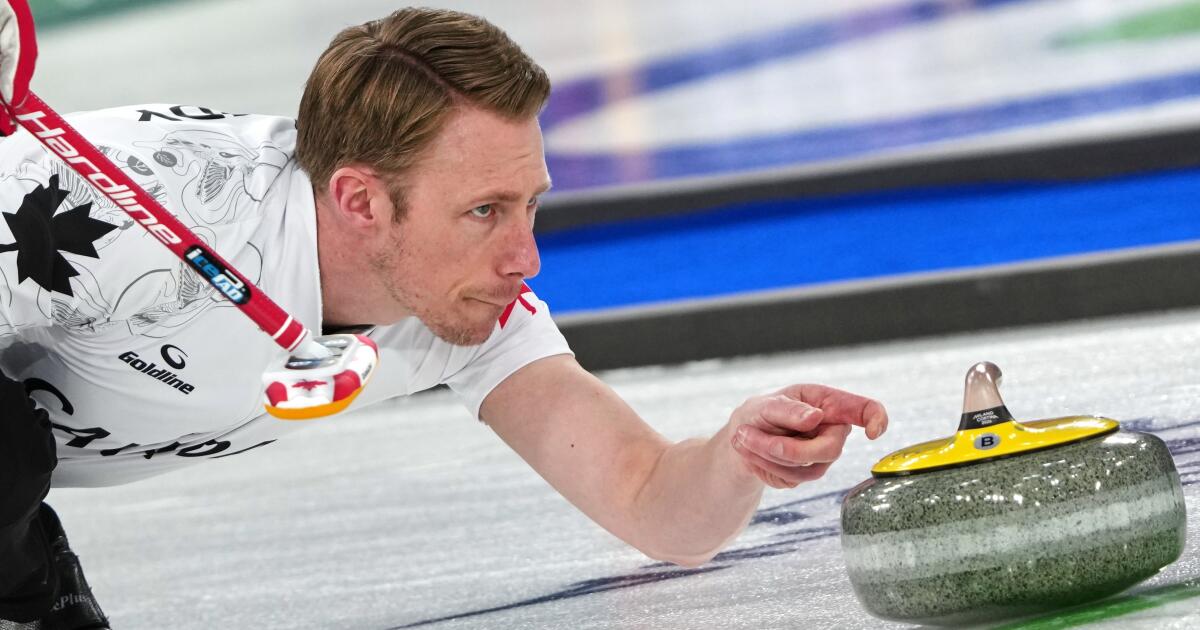
"Canada's Olympic curlers being accused of cheating could signal a significant turning point for a sport that appears to be evolving away from its hobbyist origins. Curling players have historically called their own infractions, but changes might be necessary to ensure fairness with so much at stake at the Olympic and professional levels. Cheating has been part of the Olympics since the ancient games, when violators were punished with fines, public flogging or lifetime bans."
"These Olympics started with controversy when a report in the German newspaper Bild alleged ski jumpers were injecting hyaluronic acid into their penises in an effort to fly further. Then came a different kind of cheating when medal-winning Norwegian biathlete Sturla Holm Laegreid confessed to infidelity in a TV interview. Both scandals drew attention even if most people already knew that all is not fair in love and soar."
""Curling has historically operated on a culture of trust and self-regulation," said Heather Mair, a professor in the department of recreation and leisure studies at the University of Waterloo and an expert on the social aspects of curling. "At most levels, players call their own infractions. They compete against people they know well, often in relatively small circuits, and they see each other repeatedly over the course of a season. "That relational fabric has long been part of the sport's informal governance.""
Elite curling faces heightened scrutiny after Olympic cheating accusations, challenging a long-standing culture of self-policing and mutual trust. Historically, players have called their own infractions within tight-knit circuits where repeated encounters reinforced informal governance. The sport's return to the Olympics and growing professionalization increased stakes and incentives to bend rules. Recent Games controversies alongside other high-profile Olympic scandals intensified public attention and prompted proposals for additional officials and video replay. Experts warn that informal governance may be insufficient when national teams and significant prizes create stronger motivations to gain unfair advantages.
Read at Los Angeles Times
Unable to calculate read time
Collection
[
|
...
]