"I think the margin for normal human being is 40-41 millimetres is maximum you can have. Mine rose to like 55 and there was a danger of being basically ripped apart and I would just collapse and die. So they just told me, listen, there's a high risk of that, so you need to have operation as soon as possible."
"When I moved to Sunderland when I was 16, obviously we had all the medical tests. Then we got to the point where I was like 18, 19, so 10 years ago, when they actually told me like, listen, you've got this issue, it might be in the future, you might need an operation for it."
"Despite six months on the sidelines, he never had a doubt that he would return to playing football. Stryjek made his first appearance since October in last month's 1-0 defeat in Aberdeen then kept a clean sheet at the weekend in a 3-0 win over Dundee United."
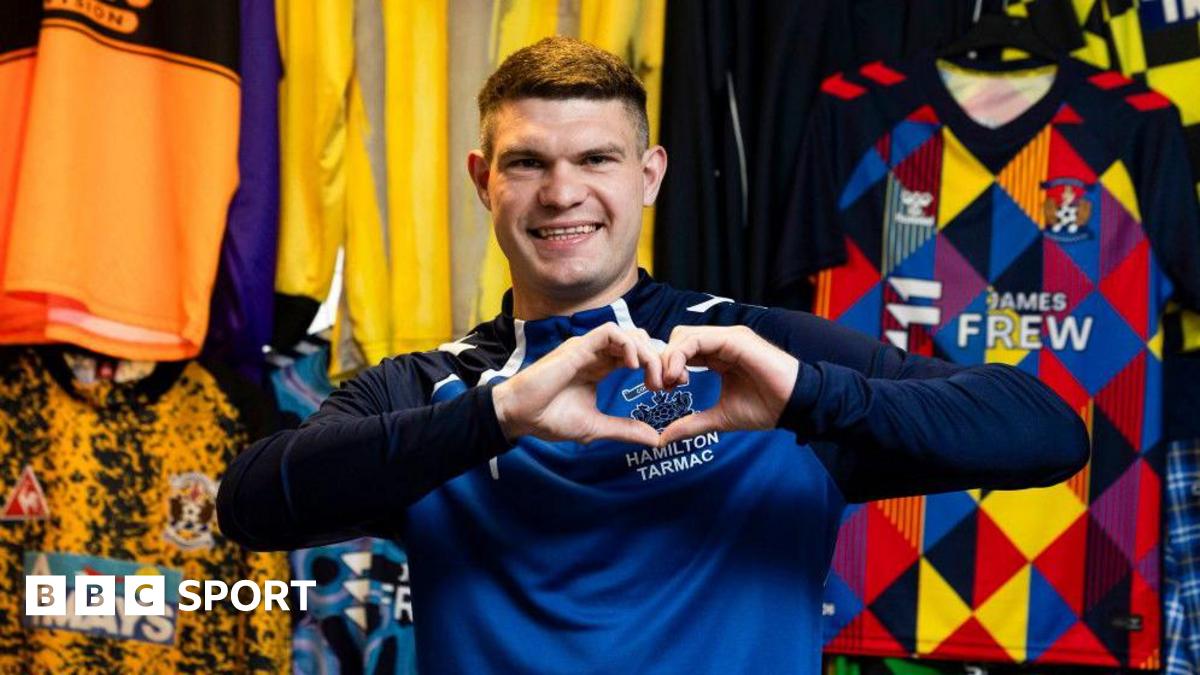
Max Stryjek, a 29-year-old Polish goalkeeper for Kilmarnock, underwent life-saving open heart surgery in November to address a critical condition with his aorta, the body's largest artery. His aorta had enlarged to 55 millimetres, significantly exceeding the normal maximum of 40-41 millimetres, creating a life-threatening risk of rupture and sudden death. The condition had been identified a decade earlier when Stryjek was 18 years old during medical screening at Sunderland. Despite six months away from competition, Stryjek maintained unwavering confidence in his recovery and return to football. He has since made his comeback, keeping a clean sheet in a recent victory that helped Kilmarnock escape the relegation play-off zone.
Read at www.bbc.com
Unable to calculate read time
Collection
[
|
...
]