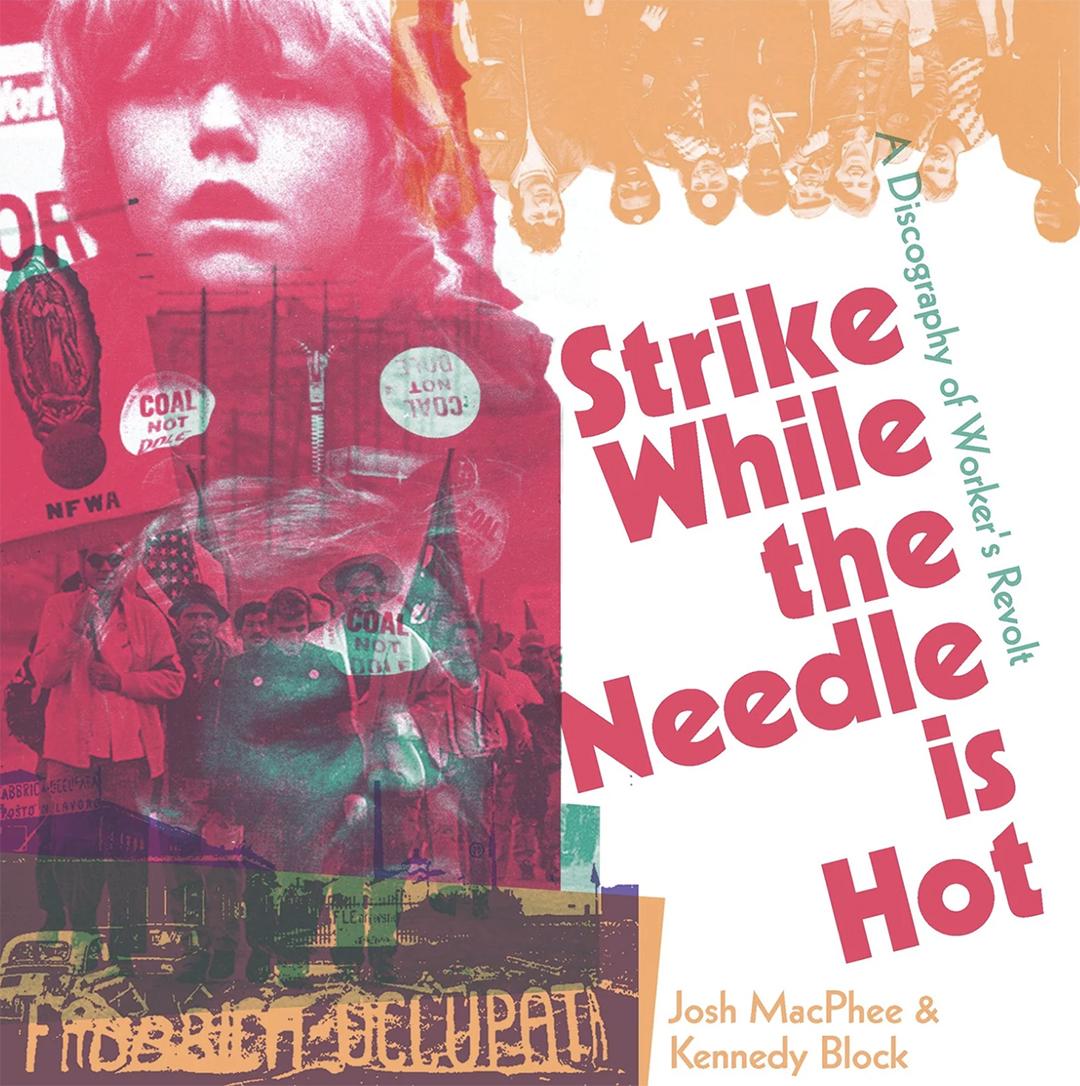
"If producing a record is a tactic, and winning a strike is the goal, then what is the strategy? From studying these records, it's clear that the hopes for them are sometimes singular, other times multiple, often overlapping, and almost always clearly understood and articulated by the workers and unions.The records more often than not speak for themselves when you listen to them, but as most are quite hard to find, or in languages many of us don't speak,"
"There are two dominant reasons these records are produced: first, to raise public awareness of a strike, and second, to raise money to support the strike (and the strikers, who are by definition out of work and not being paid) - this latter reason is particularly acute for the wildcat strikes, where workers are not getting any support from an official union strike fund."
Strike records are produced chiefly to raise public awareness and to raise money to support striking workers, especially in wildcat strikes without official strike funds. They also serve to document struggles as proofs of existence, to build organizational capacity, to develop cooperative skills through complex projects, and to build confidence by creating permanent records of struggle. Records function as tools for connecting workers across industries facing similar economic pressures and for reaching audiences who prefer music to pamphlets or long political texts. Some records emerge from militant research that prioritizes workers' knowledge of their workplaces.
Read at The Wire Magazine - Adventures In Modern Music
Unable to calculate read time
Collection
[
|
...
]