"A Utah judge is set to decide Friday if news outlets can continue to film, photograph and livestream the high-profile murder case against the man charged with killing conservative activist Charlie Kirk. Tyler Robinson's attorneys argue potential jurors could be biased by slanted stories and online comments that depict the defendant as evil or unremorseful based on how he looks and acts in court. They say live broadcasts are fueling those stories and interfering with Robinson's right to a fair trial."
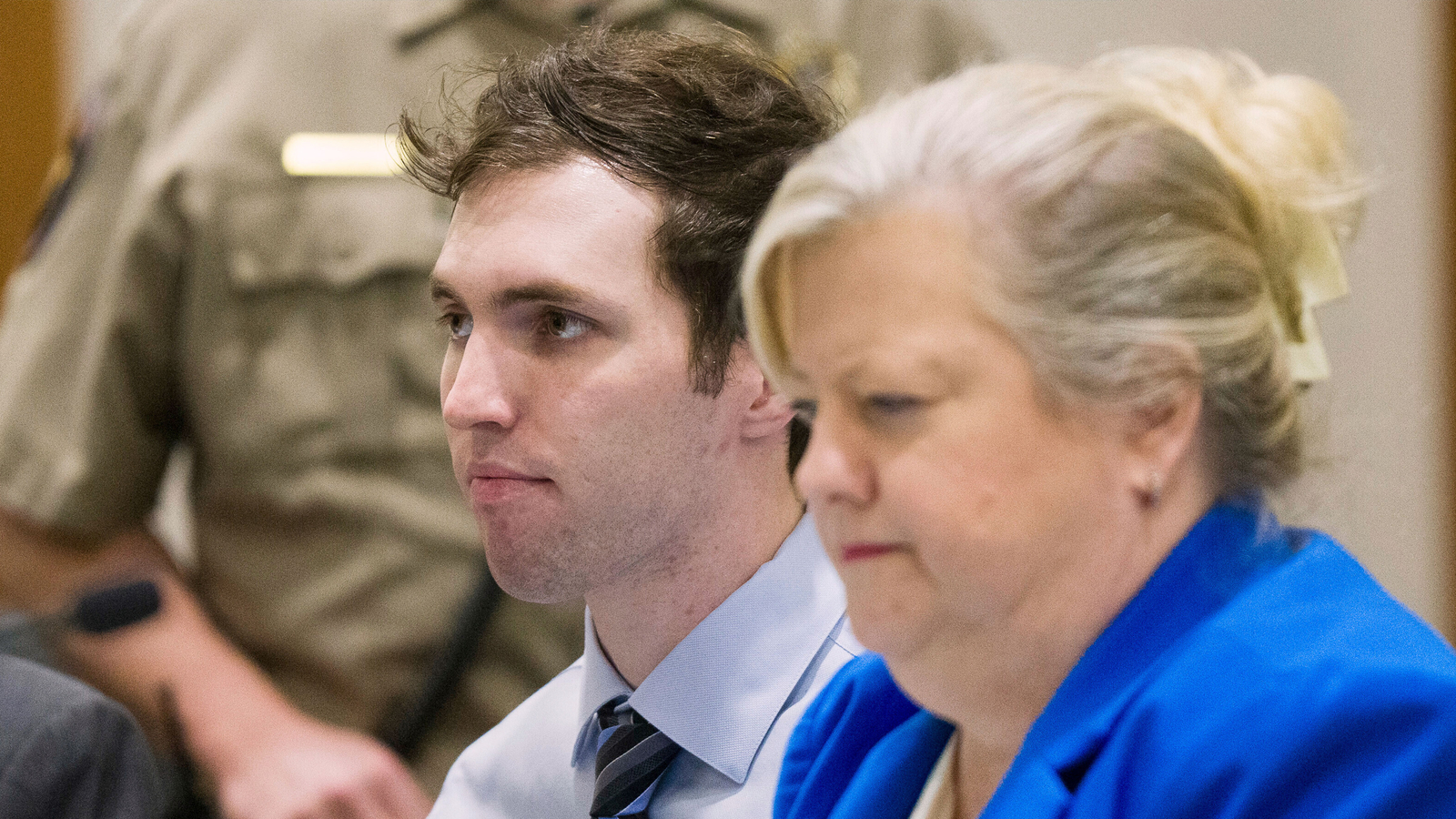
"Media organizations, prosecutors and Kirk's widow, Erika Kirk, want cameras allowed. They argue transparency is the best way to guard against conspiracy theories that have circulated since Kirk's assassination on Sept. 10, when he was shot in the neck while addressing thousands of students at Utah Valley University in Orem. Tyler Robinson, who is accused of fatally shooting Charlie Kirk, sits beside defense attorney Kathryn Nester during a hearing in 4th District Court in Provo, Utah, Jan. 16, 2026."
"State District Judge Tony Graf already has tightened his rules for cameras after members of a media pool violated a courtroom order by showing Robinson's shackles and getting close-ups of him talking to his attorneys. Graf relocated cameras to the rear of the courtroom, behind Robinson, making it much harder to get images of him. But the judge has sided with the media on other matters. He rejected attempts by Robinson's attorneys to prevent the release of transcripts from closed door hearings in the case."
"Graf said in December that transparency was "foundational" to the judicial system. Prior to his death, Kirk, 31, and the conservative youth movement he founded, Turning Point USA, emerged as a major force in U.S. politics that was considered instrumental in getting President Donald Trump elected to a second term. Prosecutors"
A Utah judge will decide whether news outlets can continue filming, photographing, and livestreaming a murder case involving Tyler Robinson, accused of killing conservative activist Charlie Kirk. Robinson’s attorneys argue that jurors could be biased by slanted online stories and comments portraying him as evil or unremorseful, and that live broadcasts fuel those narratives and interfere with a fair trial. Media organizations, prosecutors, and Charlie Kirk’s widow want cameras allowed, arguing that transparency helps prevent conspiracy theories after Kirk’s assassination. The judge previously tightened camera rules after a media pool violated an order by showing shackles and capturing close-ups. The judge also rejected efforts to block transcript releases from closed hearings and said transparency is foundational to the judicial system.
Read at abc7.com
Unable to calculate read time
Collection
[
|
...
]