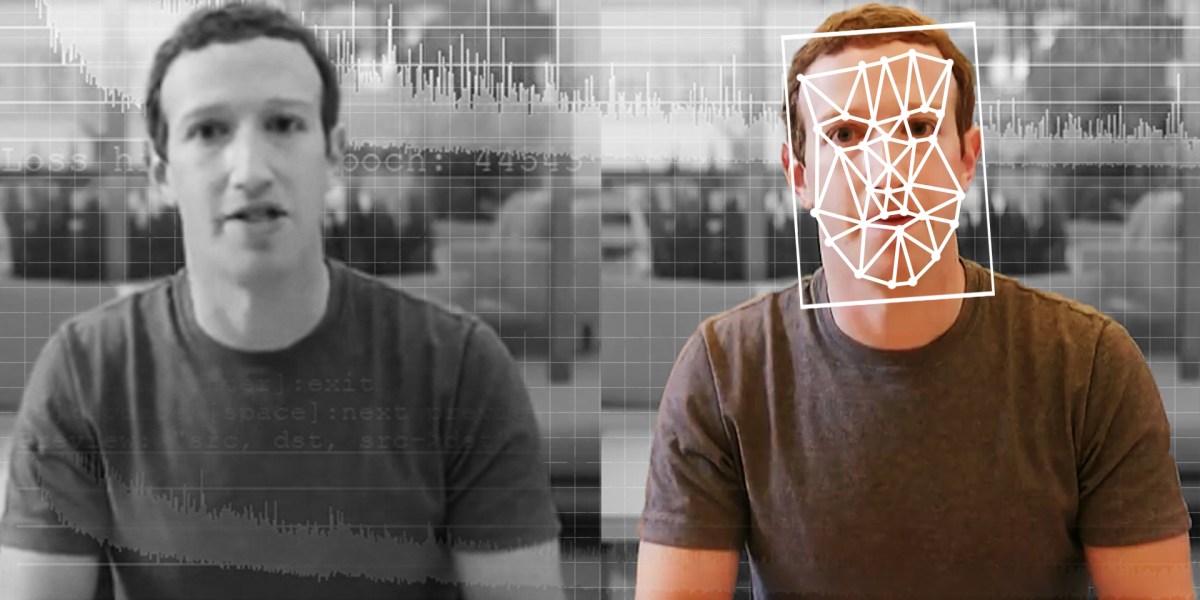
"Deepfake fraud drained $1.1 billion from U.S. corporate accounts in 2025, tripling from $360 million the year before. By midyear last year, documented incidents had already quadrupled the 2024 total. And most corporate communications and brand teams remain dangerously unprepared."
"Executives now face synthetic threats from two directions: their likenesses cloned to authorize fraudulent transfers or inflict reputational harm, and AI-generated voices impersonating government officials, board members, and business partners used to manipulate them."
"Consider the impact if a synthetic video of your CEO making inappropriate remarks, announcing a false merger, or criticizing a regulator spread rapidly on social media before your team could respond. Deepfakes are no longer a cybersecurity curiosity. They now represent a security threat, a financial risk, and a significant reputational hazard."
"Most coverage of deepfake threats centers on detection algorithms and verification protocols. Cybersecurity vendors offer solutions, and IT departments update policies. However, few address a critical question for CMOs and CCOs: What happens to your brand if your CEO's likeness is used for fraud, disinformation, or character attacks?"
Deepfake fraud has emerged as a critical threat to corporations, with losses reaching $1.1 billion in 2025, triple the previous year's $360 million. Executives face dual threats: synthetic clones of their likenesses used to authorize fraudulent transfers or damage reputation, and AI-generated voices impersonating officials and business partners to manipulate decisions. Historical cases demonstrate the sophistication of these attacks, including a 2019 incident where a synthetic CEO voice convinced a British energy executive to wire $243,000, and recent scams targeting Italian business leaders. While cybersecurity teams focus on detection and verification protocols, corporate communications and brand teams remain unprepared for the reputational consequences of deepfake attacks, creating a significant gap between security measures and crisis response capabilities.
#deepfake-fraud #reputational-risk-management #ai-generated-impersonation #corporate-security #crisis-communications
Read at Fortune
Unable to calculate read time
Collection
[
|
...
]