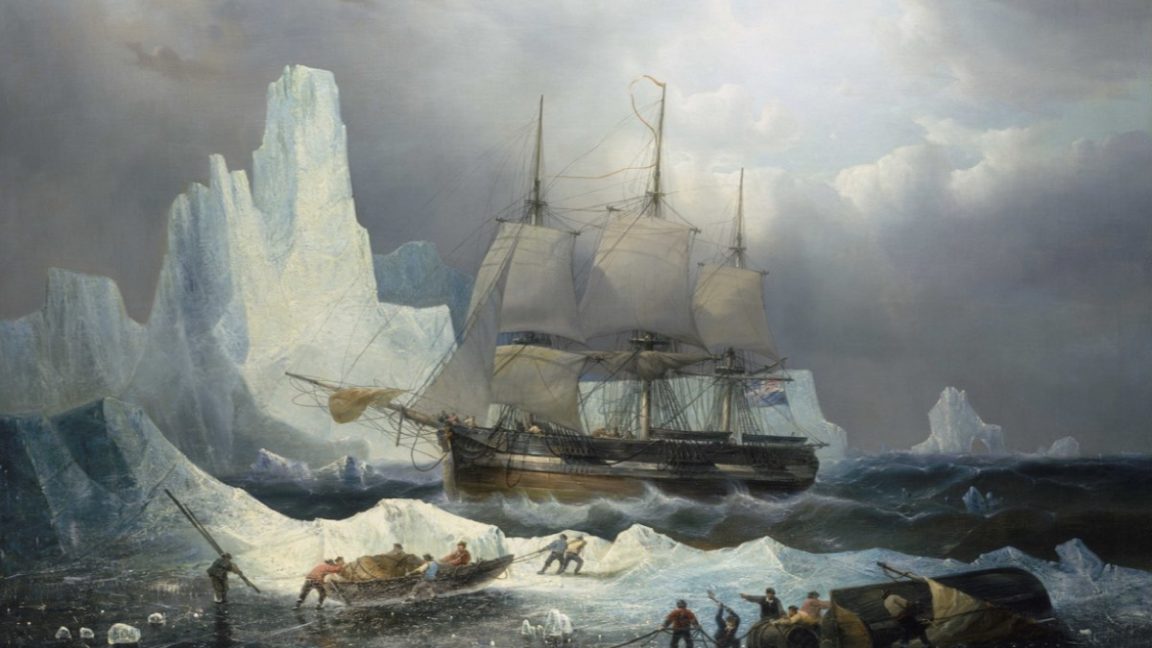
"The actual shipwrecks of the HMS Erebus and the HMS Terror were not found until 2014 and 2016, respectively. Thanks to the cold water temperature, lack of natural light, and the layers of silt covering many of the artifacts, the ship and its contents were in remarkably good condition. Even some of the windowpanes were still intact. The first underwater images and footage showing the ships' exteriors and interiors were released in 2019."
"For several years, scientists have been conducting DNA research to identify the remains found at these sites by comparing DNA profiles of the remains with samples taken from descendants of the expedition members. Some 46 archaeological samples (bone, tooth, or hair) from Franklin expedition-related sites on King William Island have been genetically profiled and compared to cheek swab samples from 25 descendant donors. Most did not match, but in 2021, they identified one of those bodies as chief engineer John Gregory, who worked on the Erebus."
"By 2024, the team had added four more descendant donors-one related to Fitzjames (technically a second cousin five times removed through the captain's great-grandfather). That same year, DNA analysis revealed that a tooth recovered from a mandible at one of the relevant archaeological sites was that of Captain James Fitzjames of the HMS Erebus. His remains showed clear signs of cannibalism, confirming early Inuit reports of desperate crew members resorting to eating their dead."
"We can now add three more crew members identified through their DNA. As before, to make the identifications, the team extracted DNA from archaeological samples and compared it with mitochondrial and Y-chromosome DNA from descendants. These included a molar and humerus shaft from NgLj-3; two molars, a premolar, and a temporal cranium bone from NgLj-2; and a sample taken from a left humerus found in 2018 at NgLj-1. The researchers were able to identify three individuals: William Orren, able seaman; David"
HMS Erebus and HMS Terror shipwrecks were located in 2014 and 2016. Cold water, limited natural light, and silt layers helped preserve the ships and many artifacts in remarkably good condition, including some intact windowpanes. Underwater images and footage of the exteriors and interiors were released in 2019. DNA research compared genetic profiles from archaeological samples with cheek swabs from descendants of Franklin expedition members. Most samples did not match, but in 2021 chief engineer John Gregory was identified. By 2024 additional descendant donors were added, and DNA confirmed a tooth from a mandible as Captain James Fitzjames, with remains showing signs of cannibalism consistent with early Inuit reports. Additional crew members were identified using mitochondrial and Y-chromosome DNA from specific archaeological bones and teeth.
Read at Ars Technica
Unable to calculate read time
Collection
[
|
...
]