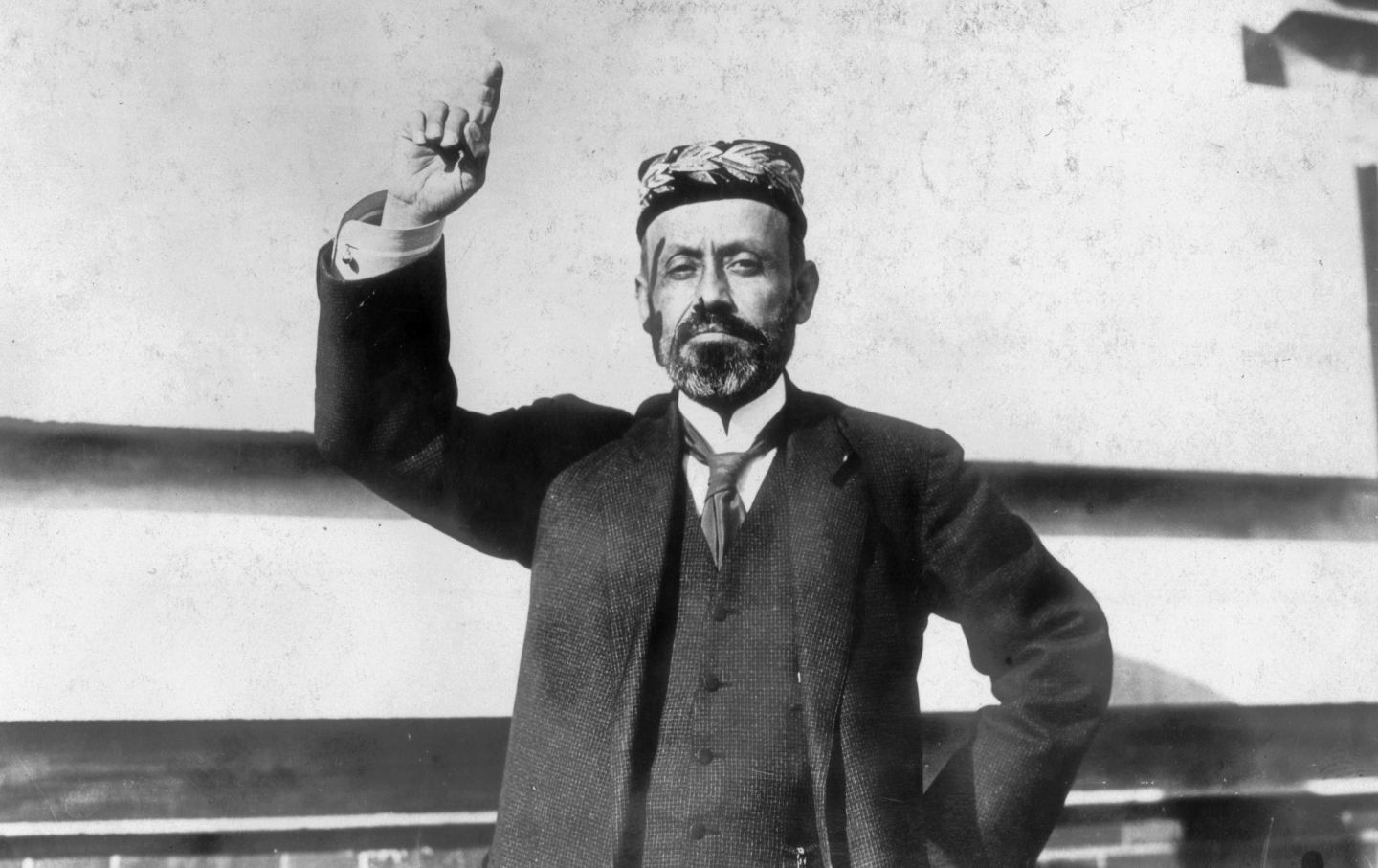
"Debt, poverty, war, and death in early-20th-century Venezuela were direct consequences of the machinations of Johnny Mack, a Philadelphia contract man connected to the highest ranks of the Republican Party. Mack used Venezuela to stage a war against his US rivals to establish a monopoly on asphalt, gaining control of a sputtering tar pit, which has been compared by more than a few to the gates of hell, near which no trees could grow nor birds fly."
"The conflict escalated, bringing to Venezuela's shores Italian, British, US, and French gunboats, a face-off that previewed the coming global war. Mack's asphalt war and Venezuela's debt crisis had the effect of pushing Washington to accept some of the premises of international laws, if only reluctantly-a subject I go into greater detail in the book. Today, of course, US actions in Venezuela aren't leading to a consolidation but an unraveling of international law and perhaps setting the stage for a greater conflagration to come."
Powerful foreign commercial interests and political actors drove a destructive crisis in early-20th-century Venezuela. A Philadelphia contract man named Johnny Mack sought an asphalt monopoly and used local conflict to attack U.S. rivals, seizing control of a toxic tar pit. The contest attracted Italian, British, U.S., and French gunboats and escalated into a multinational face-off that foreshadowed global war. The asphalt dispute and Venezuela's debt crisis pressured Washington to recognize some international legal principles, albeit reluctantly. Contemporary U.S. actions in Venezuela are framed as contributing to an unraveling, rather than consolidation, of international law and stability.
Read at The Nation
Unable to calculate read time
Collection
[
|
...
]