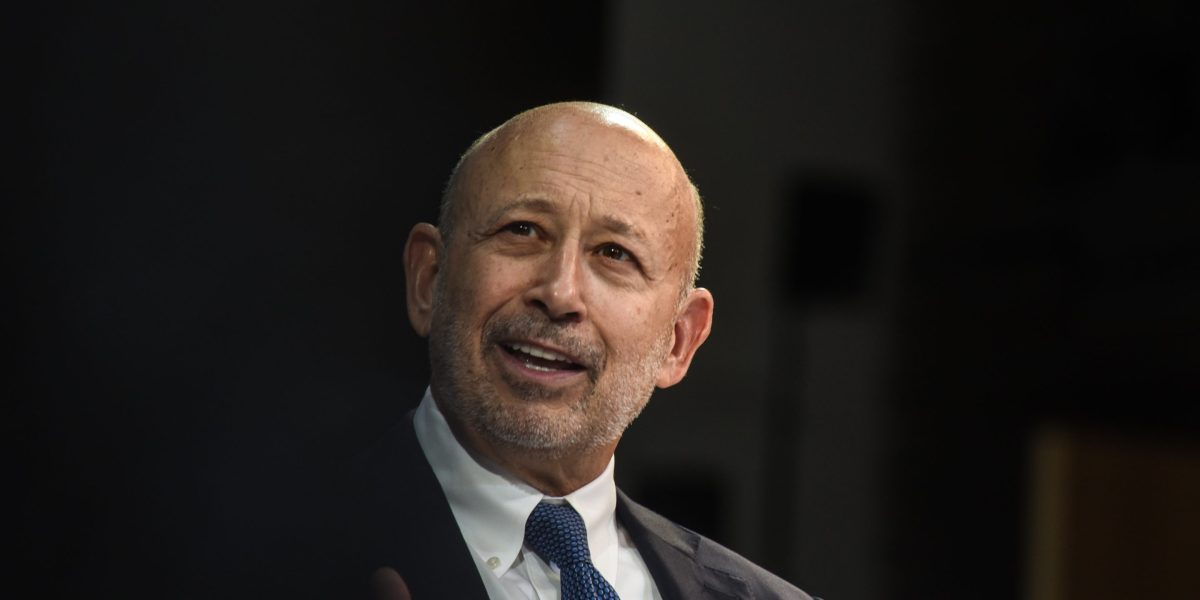
"To be sure, the overall population of grads from elite schools should exceed their peers elsewhere, Blankfein conceded. "The average is going to be higher at these great schools, which are very, very hard to get into and have very high thresholds," he said. "And the average person may be higher, and certainly the bottom quartile is going to be a lot higher." But when assessing the cream of the crop, that advantage disappears, Blankfein added."
"That's because a large public university has a much bigger student population. "If you're going to look at the tippy, tippy top of Harvard or the tippy, tippy top of the University of Minnesota-where you're the top of 50,000 as opposed to the top of 1,600-and you've gone through that," he said, "I would say that having gone through that they're at least as good, maybe better.""
Lloyd Blankfein notes superior talent frequently emerges outside Ivy League schools, citing top executives who attended non-elite colleges. He acknowledges elite institutions have higher average metrics and stronger bottom quartiles due to selective admissions. However, he argues that the very top students from large public universities face a tougher competitive pool, and surviving that gauntlet can produce candidates who are at least as capable, perhaps more so. He contrasts that uphill path with the advantage students from elite prep schools receive because the college-admissions current runs in their favor. Americans are reassessing the value of elite credentials.
Read at Fortune
Unable to calculate read time
Collection
[
|
...
]