"The rise of AI is the next industrial revolution, Gloria Caulfield, a real estate executive, told recent graduates of arts, humanities, and communication at the University of Central Florida. The response? A chorus of boos. Caulfield turned to the organizers: What happened? she asked. She looked back at the young people in the audience: Ok, I've struck a chord, may I finish? And she continued: Only a few years ago, AI wasn't a factor in our lives, she added. And then they applauded, and Caulfield smiled with relief."
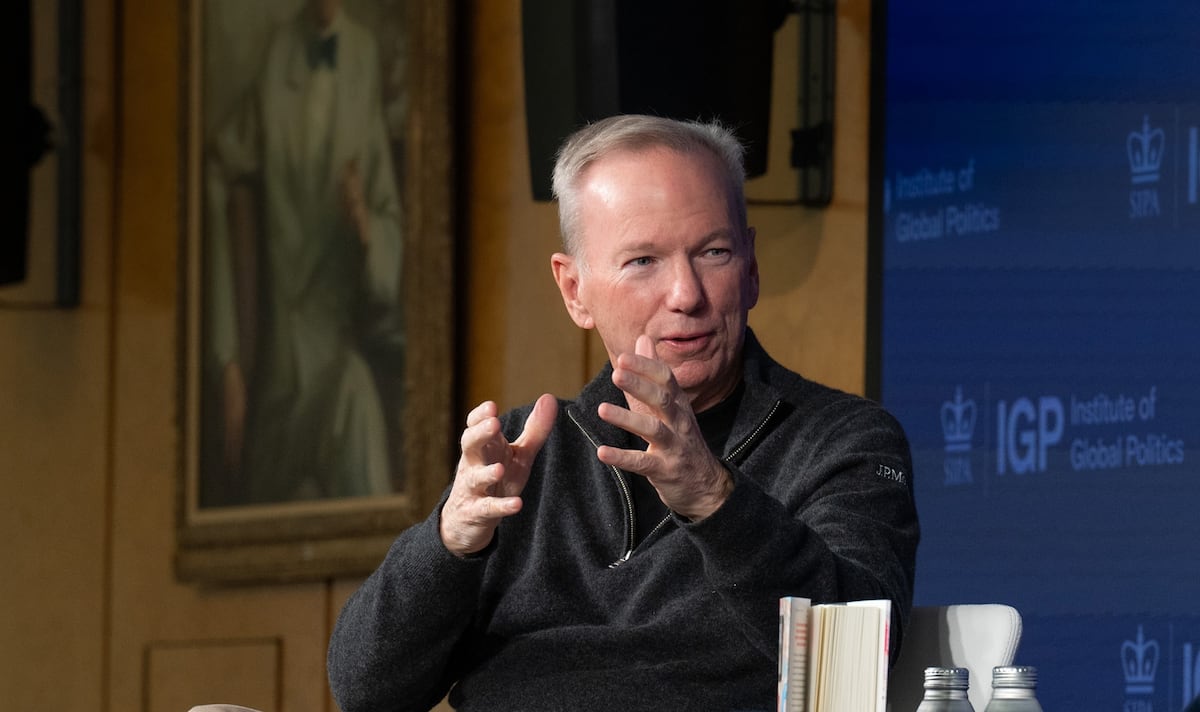
"Eric Schmidt, former CEO of Google, was presiding over the commencement ceremony at the University of Arizona before thousands of students. Schmidt uttered phrases that young people have heard a thousand times before: The question isn't whether AI will shape the world. It will. The question is whether you will help shape AI, he said. He continued: AI will affect everything, whichever path you choose. And he was booed."
"The reasons for the jeers will be varied: from fear of an uncertain future to weariness with the evangelical rhetoric surrounding AI. Just recently, at the University of Central Florida, there was controversy over a class called Art of AI for art students. One student argued that he pays tuition to learn skills, not to use a generative AI that would prevent him from then using those skills."
"Over the past year, according to a Gallup survey published in April in the U.S., Generation Z's sentiment toward AI has become more negative. The percentage of young people enthusiastic about AI has fallen 14 points to 22%, while thos"
Artificial intelligence is framed as the next industrial revolution and as something that will affect everything. At university commencements, speakers linking AI to the future prompted audible boos from graduates. One speaker expressed surprise at the reaction, then continued after the audience shifted to applause. Another speaker emphasized that AI will shape the world and urged students to help shape it, but was also booed. Reactions vary, including fear of an uncertain future and weariness with AI-focused messaging. Controversy also appears in education, including disputes over AI-related classes for art students and concerns about learning skills versus relying on generative tools. Polling shows Gen Z sentiment toward AI has become more negative, with enthusiasm dropping to 22%.
Read at english.elpais.com
Unable to calculate read time
Collection
[
|
...
]