"Only about half the U.S. population meets the Physical Activity Guidelines for cardiovascular activity, which is 150 minutes of moderate-intensity exercise per week, and even fewer, less than one in three, meet the recommendations for resistance training, which are to engage in strengthening activities involving all muscle groups at least two days per week. We have much less physical demand in our day-to-day life than we did decades ago, which means we need to be more intentional about physical activity."
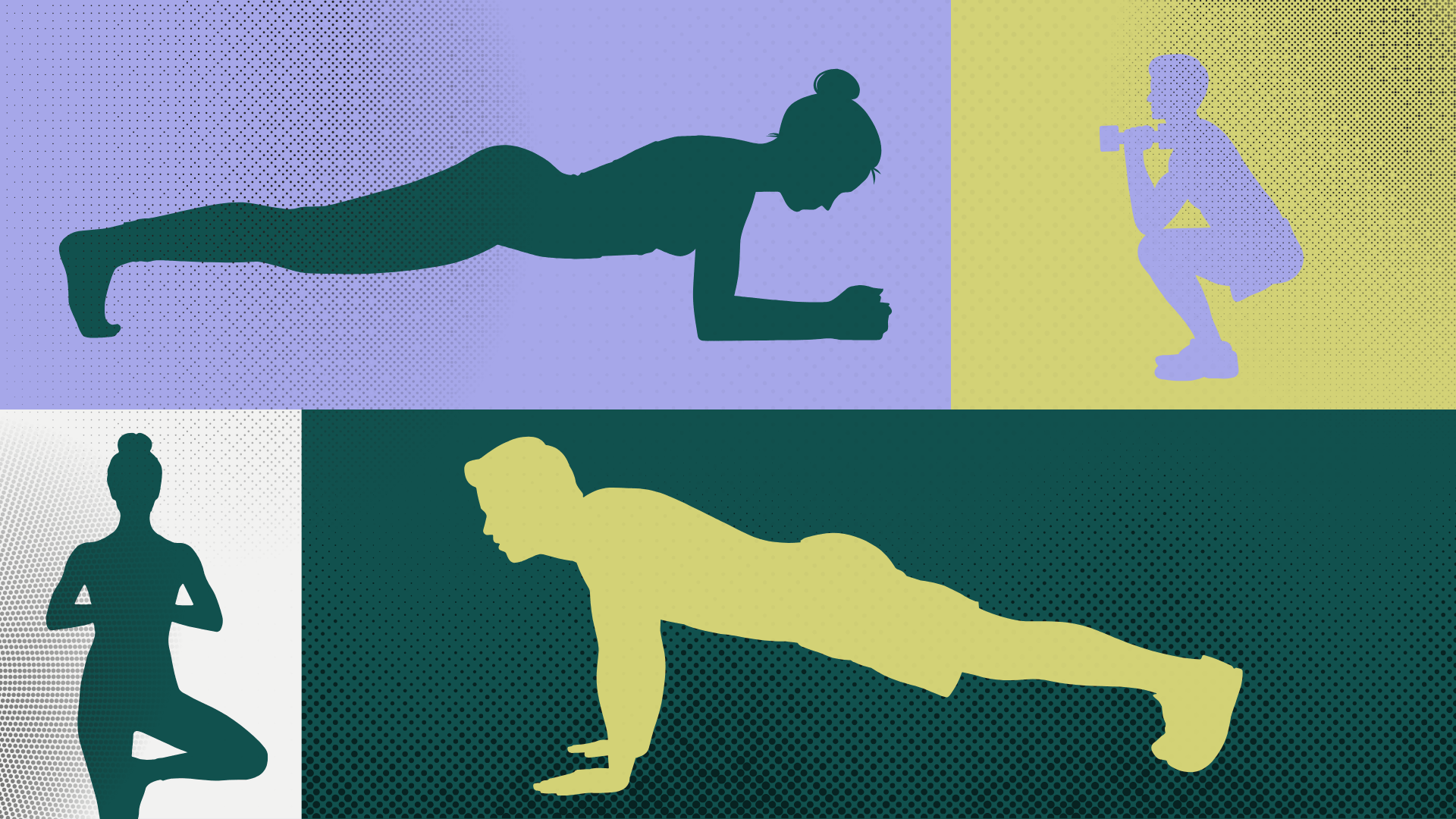
"Your body doesn't know how much money you spent on a gym membership or a personal trainer or if you're wearing Lululemon: Any stress that you put on your body that it's not accustomed to, your body will respond and get stronger. It doesn't have to be dumbbells. Many parts of a standard yoga workout - holding a plank, or a standing pose - are great resistance exercises. Bodyweight exercises, things like squats, push-ups, or heel-raises, can be done at home with no equipment."
Only about half of U.S. adults meet the 150 minutes per week cardiovascular activity guideline, and fewer than one in three meet resistance training recommendations of strengthening all major muscle groups at least two days weekly. Daily life imposes far less physical demand than decades ago, creating a need for intentional exercise. Proper lifting technique matters and many people lack formal training; tutorials, physical therapists, certified strength coaches, or exercise physiologists can provide guidance. Any novel stress produces strength adaptations, and resistance can come from bodyweight movements, yoga holds, or simple home exercises. Working muscles to failure is recommended for progress.
Read at Harvard Gazette
Unable to calculate read time
Collection
[
|
...
]