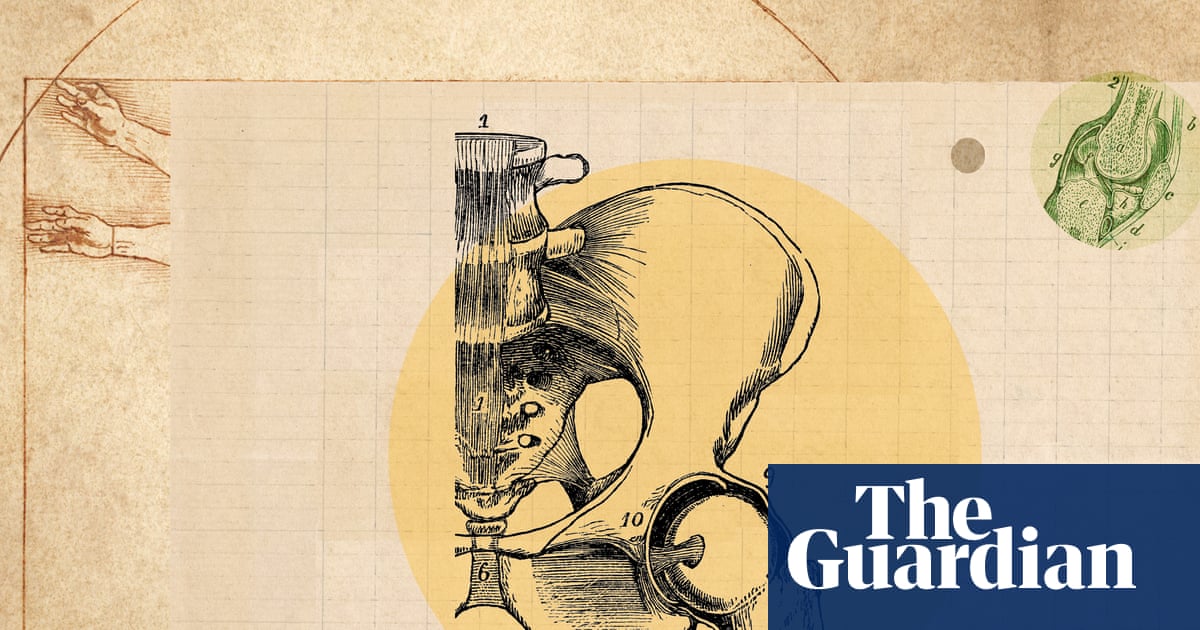
"You might not realise how important it is or how much it does until it's painful or restricted in some way, and you're no longer able to use it in the same way that you could before, says physiotherapist Dr Michael O'Brien from La Trobe University in Melbourne. A hip fracture, particularly in elderly people, can precede a serious decline in health, which makes maintaining hip health vital for healthy old age."
"Strengthen your hip muscles The ball-and-socket hip joint is very mobile, able to move in many directions and rotate, so it's vital to keep the muscles around the hip joint strong to support it, and reduce the risk of pain and hip osteoarthritis, O'Brien says. That can be doing reformer pilates, it could be doing some simple exercises at home, some simple weight-bearing exercises, he says. It's also important to work the hip across all the planes of movement, not just back and forth."
"The gluteal muscles in the buttocks, and abdominal stabilising muscles are also important for hip health, says physiotherapist Dr Jillian Eyles from the University of Sydney. The tiny, boring glute exercises actually really hurt [in terms of fatiguing muscles] and they're really boring [but] they're the ones that are really helpful, Eyles says. Gluteal exercises include squats, lunges and a gluteal bridge lying on your back, planting the soles of your feet on the floor or bed and lifting your pelvis up off that surface."
Hips are a key weight-bearing ball-and-socket joint that enable multi-directional movement and rotation, so maintaining strength and mobility is essential. Hip fractures in older adults often precede serious health decline, making hip health vital for healthy aging. Strengthening the muscles around the hip reduces pain and lowers osteoarthritis risk. Exercises can include reformer pilates, simple home weight-bearing routines, single-leg standing with pelvic rotation, and lunges with slight lateral knee movement. Gluteal and abdominal stabilising muscles provide crucial support; targeted glute exercises such as squats, lunges and glute bridges are effective despite being fatiguing and repetitive.
Read at www.theguardian.com
Unable to calculate read time
Collection
[
|
...
]