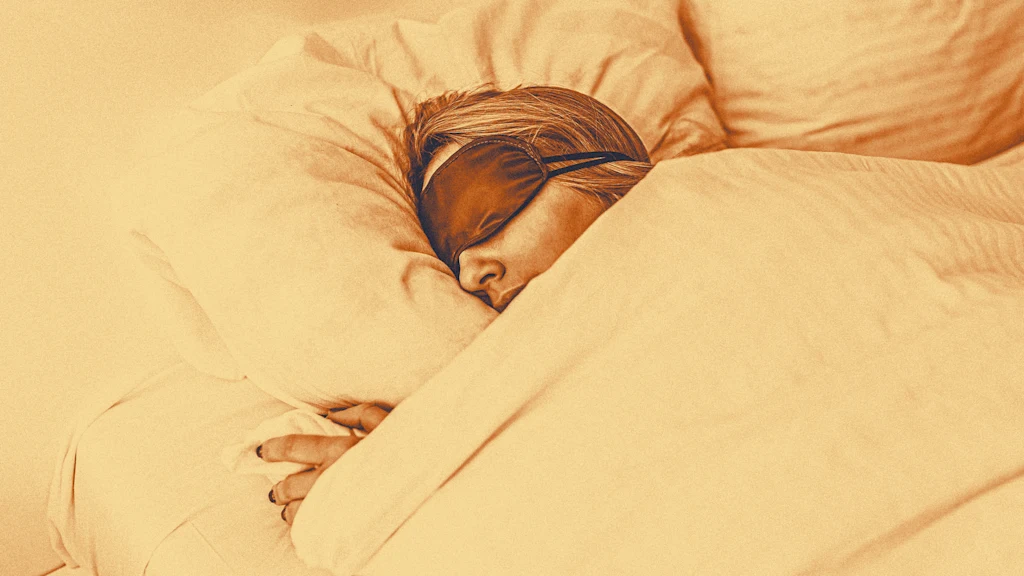
"The natural internal body clock rhythm in people tends to be slightly longer than 24 hours, which means that every day we tend to delay our sleep schedules. Thus, 'springing forward' goes against the body's natural rhythm. It is similar to a mild case of jet lag caused by traveling east—in which you lose time and have trouble falling asleep at an earlier hour that night."
"Even though it's technically just one hour lost due to the time change, the amount of sleep deprivation due to disrupted sleep rhythm lasts for many days and often throws people off schedule, leading to cumulative sleep loss."
"Many studies have demonstrated that there is an increased risk of heart attack, stroke and high blood pressure associated with sleep deprivation. Workplace injuries increase and so do automobile accidents. Adolescents often find it harder to wake up in time to get to school and may have difficulties with attention and school performance or worsening of mental health problems."
Daylight saving time's spring forward transition causes significant health consequences despite losing only one hour. The body's natural circadian rhythm runs slightly longer than 24 hours, making springing forward particularly difficult compared to falling backward. This misalignment resembles mild jet lag, disrupting sleep schedules for multiple days and creating cumulative sleep loss. Research demonstrates increased risks of heart attacks, strokes, high blood pressure, workplace injuries, and automobile accidents following the time change. Adolescents experience particular difficulty waking early and may face attention problems, poor school performance, and worsening mental health. Preparation for the seasonal shift is essential to minimize these health impacts.
#daylight-saving-time #circadian-rhythm-disruption #sleep-deprivation-health-effects #jet-lag #mental-health-impact
Read at Fast Company
Unable to calculate read time
Collection
[
|
...
]